
A Dawn Ride, Two Numbers, One Big Choice
I’ll set the scene. The cruiser motorcycle waits, paint catching first light as the engine ticks cool. You swing a leg over, feel the saddle cup your hips, and thumb the starter. The idle is a low drum, steady and warm, a hint of fuel in the air. Two numbers suddenly matter more than chrome: seat height and weight. A 27-inch perch feels easy; a 680-pound wet weight does not. Data from dealer fit sessions shows riders misjudge reach by a full inch on average, and that inch turns into back ache by noon. So what are you really choosing—style, or a body setup that keeps you fresh past mile 200?

In real traffic, that long wheelbase tracks straight, but the tight U-turn stings. Your wrists feel it. Your lower back whispers. The numbers never lie, but they don’t tell the whole story (not yet). Is your next bike built for your frame, your commute, your weekends? Or for the photo? Let’s move from glow to grip, from paint to physics—because the right fit tastes like confidence. Ready to dig in? Let’s break that down.
Where Good Choices Go Wrong
What’s the catch?
Most lists of good cruiser motorcycles look perfect on paper. But the hidden pain points live between the spec lines. Look, it’s simpler than you think: a generous torque curve at 2,500–3,000 rpm feels great, yet a steep rake angle plus long trail can slow low-speed steering. That means parking lots get sweaty. The wet clutch might be smooth, but gearing that’s too tall makes starts feel heavy. Add heat soak from a big V-twin on a summer day, and your knees roast at stoplights—funny how that works, right?
Ergonomics is the big trap. Forward controls look relaxed, until your hips start to ache. Mini-apes open your chest, but lift your shoulders on long rides. Small changes fix big problems. A quarter-inch in bar pullback. Half an inch in seat foam. Even preload tweaks. Yet many “solutions” are bolt-ons that mask the core issue: mismatch between your inseam, wheelbase, and the bike’s weight distribution. ABS helps, sure, but tire choice and brake feel matter more day to day. And don’t skip the electrical reality check. If the stator output is low, heated gear drains fast. If the final drive is belt but with tight guard clearance, pebble chirps will bother you. The right cruiser doesn’t just fit your look—it fits your leverage, your roads, your stops.
Next-Gen Ride, Same Old Roads
What’s Next
The good news: new tech trims the trade-offs. Ride-by-wire lets the ECU shape throttle for smooth roll-on without dulling response. Multiple EFI maps can soften first-gear snap, then wake up midrange on the highway. An IMU feeds cornering ABS, so the bike helps you brake while leaned—quietly, invisibly. That is the principle: sensors watch, software smooths. Add a slip-assist clutch to calm downshifts, and you keep the bike stable in town. Even cooling is smarter now; liquid-cooled heads steady temps at idle, so your thighs stay calmer. When you go to buy cruiser motorcycle, ask how the electronics talk: CAN bus, traction control thresholds, and whether the seat ECU plays nice with heated kits. Small details, big comfort— and yes, you’ll feel it.
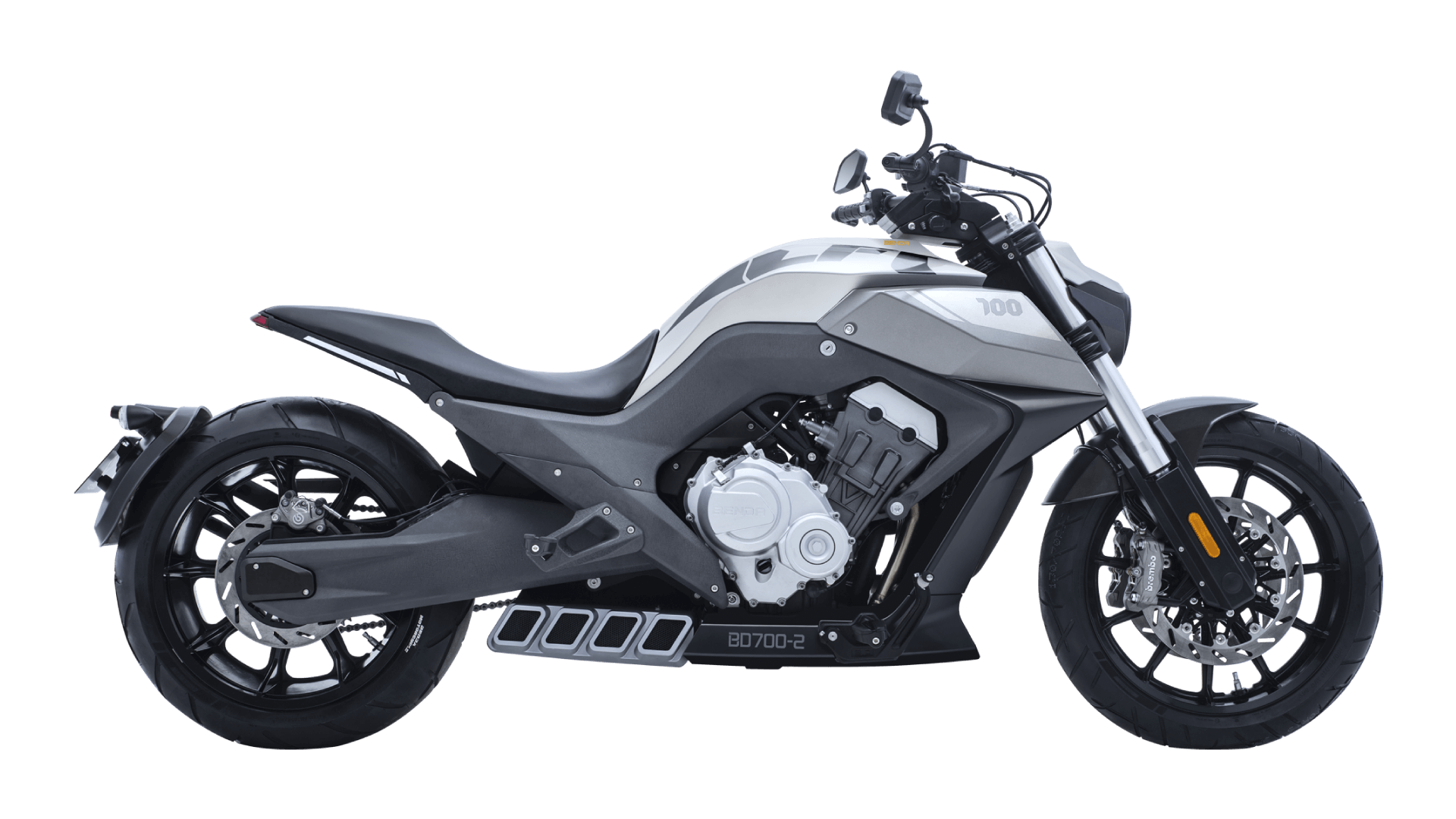
This doesn’t make style less important. It makes feel predictable. Old-school rumble is still there, but with cleaner fueling, better alternators, and LED lighting that sip watts. Belt drive stays low-maintenance, yet cush hubs protect the gearbox on choppy roads. If Part 2 was about hidden pains, this is the toolkit to prevent them. You compare bikes by how they manage low-speed balance, by how the throttle responds at walking pace, and by how the brakes modulate on rough patches. Tech should vanish under your hands. When it does, confidence shows up and stays.
Advisory close-out: three checks before you commit. 1) Fit metrics: measure reach to bars, peg knee angle, and seat-to-ground with boots on—then ride a tight U-turn. 2) Control behavior: confirm throttle map smoothness, clutch take-up zone, and initial brake bite on mixed pavement. 3) Load and power: test with your real luggage, lights on, and heated gear; verify stator output and idle voltage. Nail those, and the rest is music. Ride smart, choose with your body, and keep the joy in the middle of the curve. BENDA