
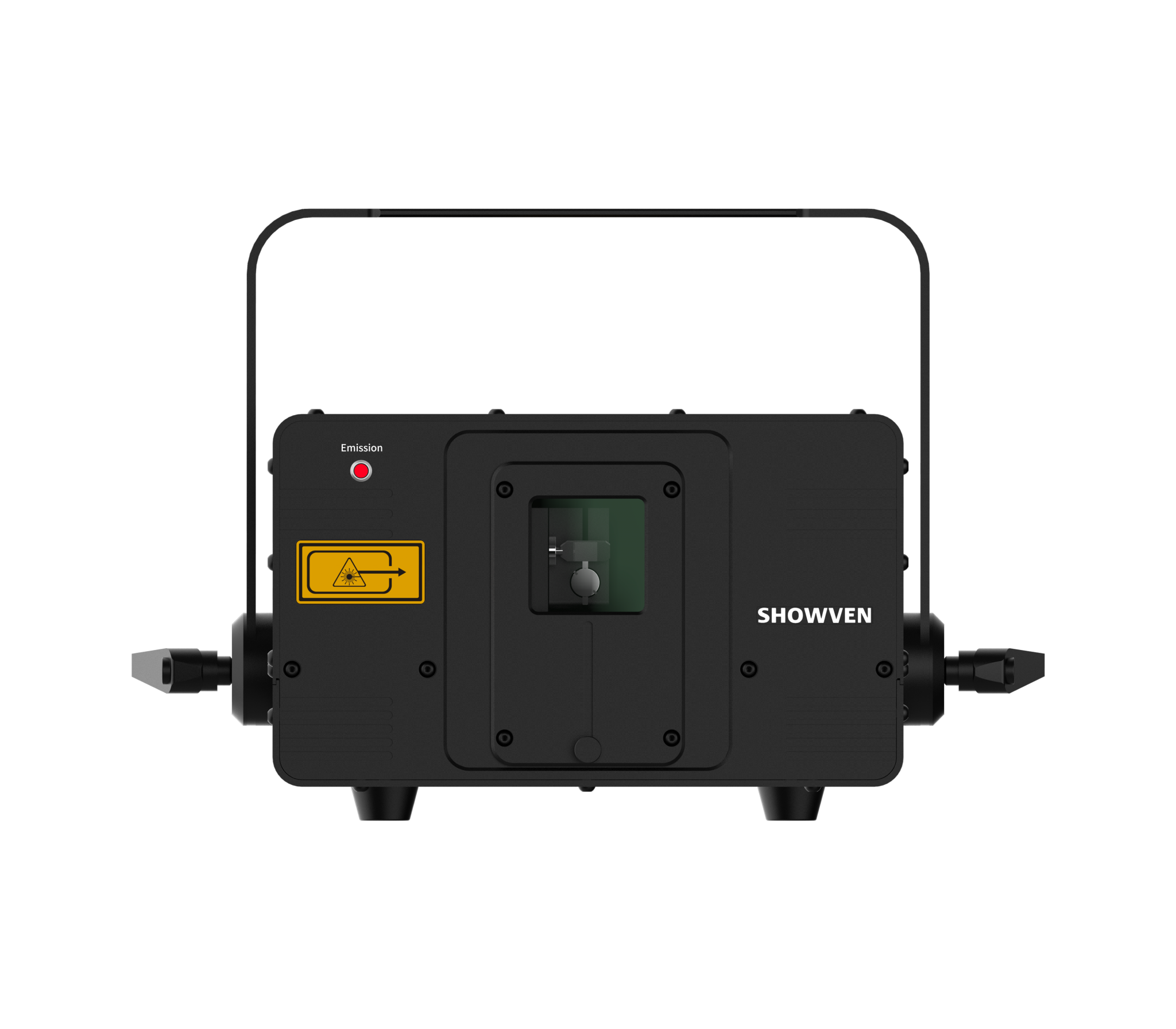
Introduction: When the Room Demands More Than a Strobe
Here’s a blunt truth: the dance floor judges your show in seconds. DJ laser light changes that judgment fast, turning dead space into a living grid of motion and color. Picture a packed Saturday; the bass hits, heads turn, beams slice the fog (and the cameras come out). Industry tallies suggest most venues still rely on mixed fixtures, yet only a fraction track how light affects dwell time or bar spend—why is that? If impact matters, why are many booths still running dated rigs that wash the room but fail to draw a line of sight, build suspense, or time a drop?
We can argue policy all day, but the audience votes with their feet. The data says energy follows focus, and focus follows light paths—clean, sharp, repeatable. So the question stands: are your beams doing the heavy lifting, or are they just filling air? Let’s move from hype to function and compare what actually works next.
Old Rigs vs. Modern Beams: Where the Gap Really Is
Where do conventional rigs fall short?
Most legacy setups lean on broad washes and chunky effects. They look busy, but they don’t guide attention. With nightclub lasers, the beam is narrow, controlled, and fast, thanks to scanning galvanometers that map shapes at speed. Traditional fixtures can’t hold that line without flare or drift. Beam divergence becomes visible. Focus softens as distance grows, and it gets worse in heavy haze. And when DMX control chains are long, latency creeps in—timing misses the drop by beats, not frames. That lag breaks narrative, even if the crowd can’t name it. Look, it’s simpler than you think: if you can’t direct sightlines, you can’t direct emotion.
Costs hide elsewhere too. Old rigs draw more power and run hotter, driving power converters hard and stressing thermal management. Maintenance rises as mirrors gum up and bulbs age at uneven rates. Safety interlocks often feel bolted on, not designed in, so operators trade brightness for peace of mind. Meanwhile, crew time goes to patching, re-aiming, and chasing inconsistent angles—funny how the “cheap” rig eats the budget, right? The result is familiar: lots of light, little story, and a crowd that looks everywhere but the moment that matters.
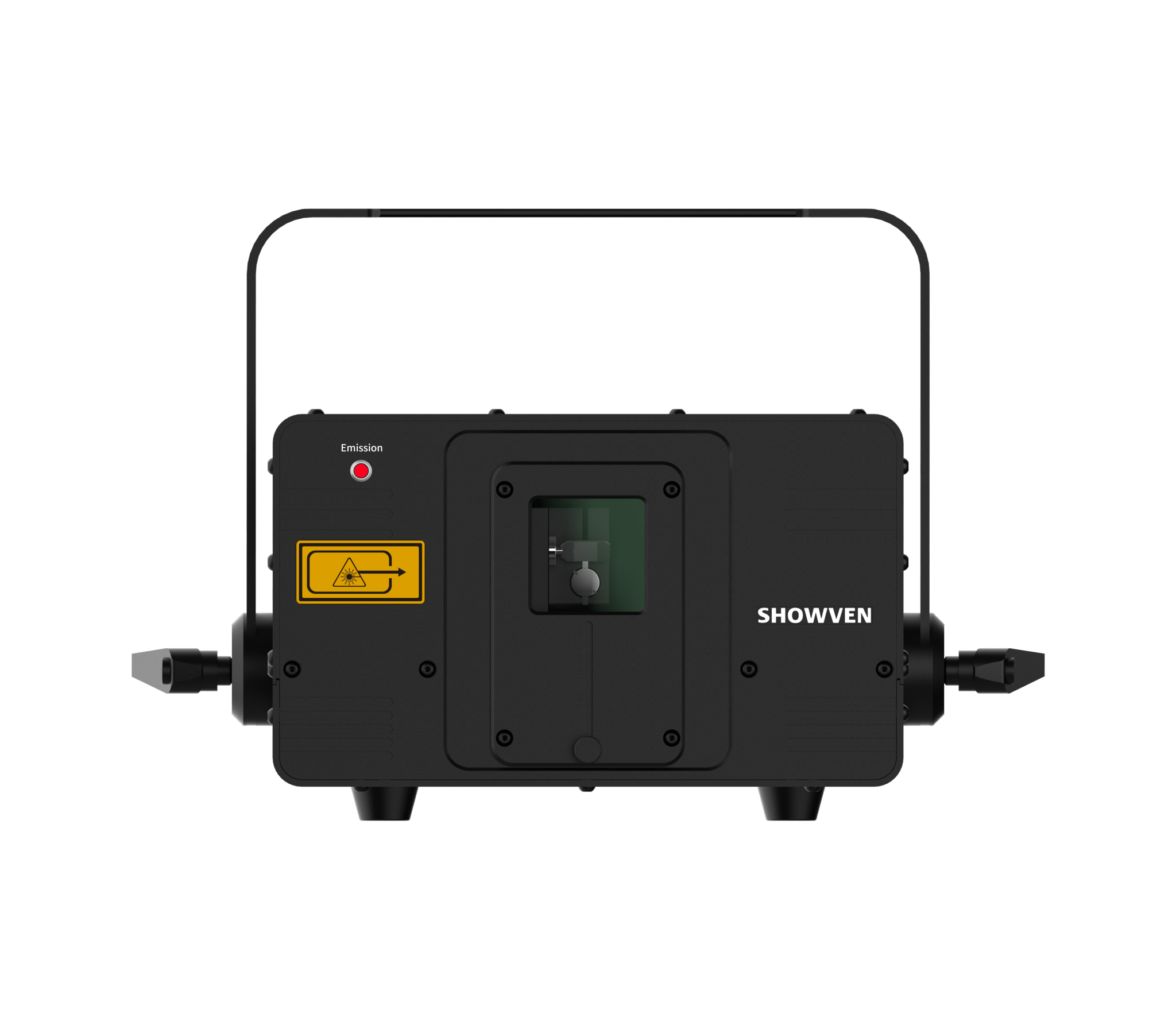
Future-Facing Control: Why the Next Wave Wins
What’s Next
The newer stack isn’t just brighter; it’s smarter. Solid-state diodes with tighter optics cut beam divergence, while faster galvos lock complex figures at high PPS without chatter. Edge computing nodes near the booth process cues locally, so frames align with audio in real time. That trims DMX bottlenecks and keeps scan safety active without clipping your show. In practice, you get crisper aerials, cleaner tunnels, and less eye fatigue—because the geometry stays true under load. Pair that with efficient power converters and better heat paths, and uptime improves. You set it, you trust it, you push it. And when you blend in party lights and lasers, timing becomes a design choice—not a hope.
Case in point: one mid-size venue split nights between a legacy wash-heavy rig and a laser-led design. Measured outcomes? Faster crowd swell after key transitions, longer dwell near the stage, and smoother drops—beats hit with frames, not frames with beats. The team reported fewer mid-set fixes and less operator stress (the system did what it was told—funny how that works, right?). From these shifts, three evaluation metrics rise above hype: 1) beam integrity under haze and distance; 2) control latency from cue to frame; 3) lifecycle cost including maintenance, heat, and safety lockouts. Compare on those—not just lumen claims—and your choice gets clear. For builders who value repeatable impact over spectacle noise, that’s the path forward. Learn, measure, iterate—then let the room decide. Showven Laser