
Why these shifts matter to me — and to you
I still remember a wet, crisp morning at our Milan pilot plant in March 2019 when a simple media tweak cut lactate accumulation by nearly 40% in a 50 L stirred-tank run — I’ll never forget that result. Early on I learned that cho cell culture plays out differently depending on the recipe and the reactor; so I want to talk plainly about what actually broke and what truly helped in the lab. With over 18 years in bioprocess development and commercial production, I’ve run fed-batch and perfusion campaigns, debugged seeding density errors, and adjusted amino acid feeds to rescue yields. This piece is my practical analysis of where traditional solutions fail, and where hidden user pain points live (yes — those tiny SOP omissions that stall a campaign). I’ll be blunt: many groups still treat media like a black box, and that costs time, cells, and money. Let me start by naming a few industry terms you’ll see: bioreactor, viable cell density, glycosylation. Read on for the details that helped me, and might help you next.
What went wrong most often?
Repeatedly, the same two issues surfaced: poor tracking of osmolality and late recognition of nutrient depletion. I once witnessed a 2018 cell line transfer at our Barcelona site where a base change—introduced to control pH—pushed osmolality up 20 mOsm/kg and knocked titers down 25% by day 10. That day I learned to treat media composition as process control, not just a recipe card. I prefer solutions that force visibility: daily metabolite profiles, early glucose and glutamine trend analysis, and a simple spreadsheet that flags aberrations before the culture sighs.
Technical pivots: ingredients, timing, and monitoring
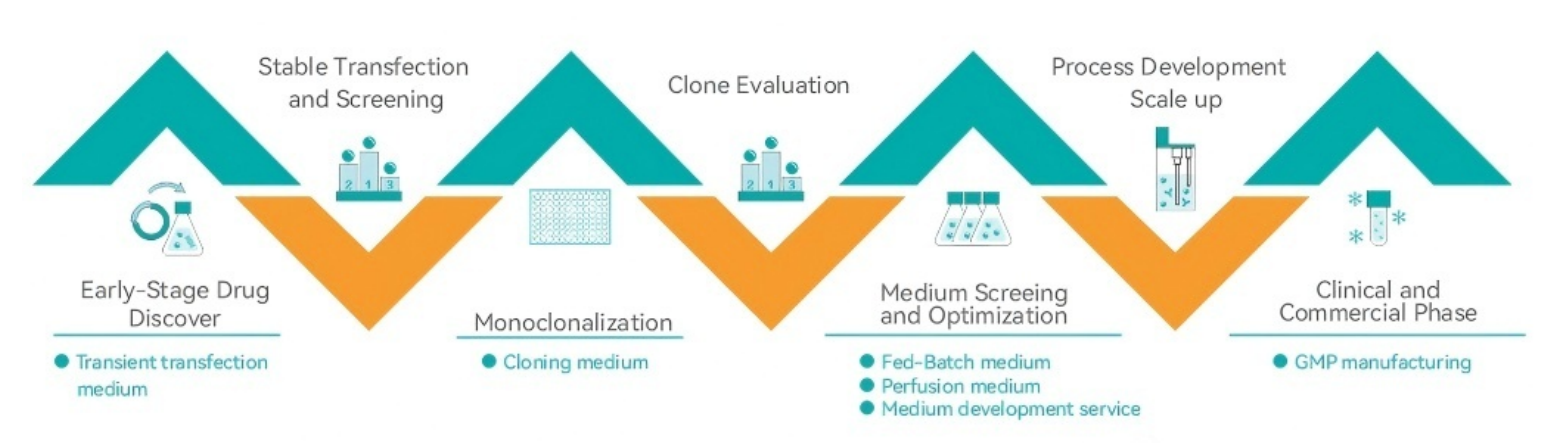
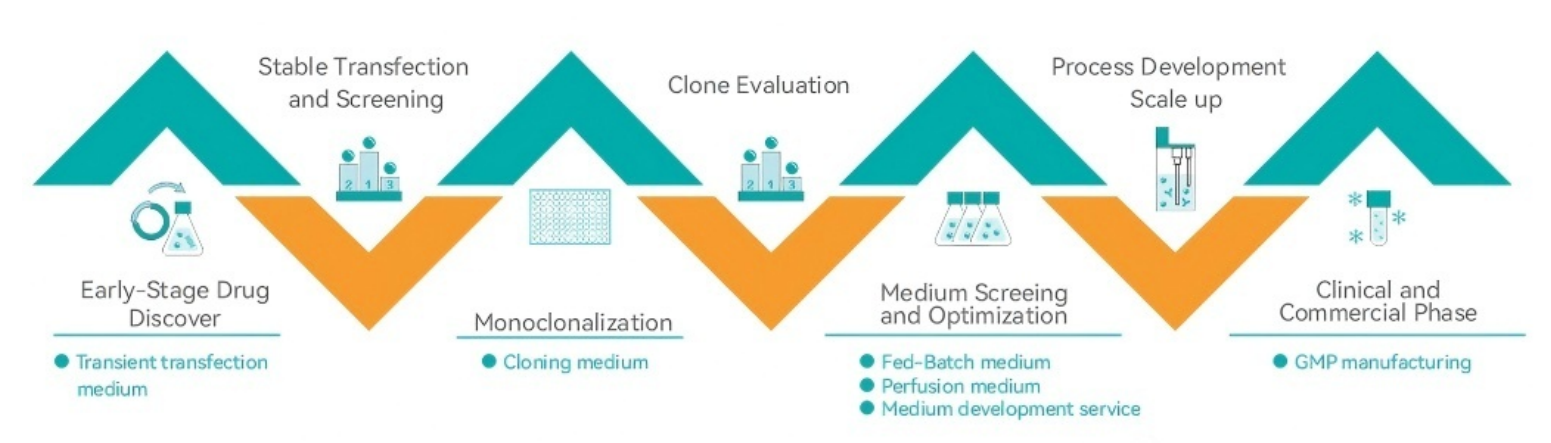
Switching rhythm now — more technical. If you want reproducible gains in cho cell culture, you must address three layers: the basal formulation, feed strategy, and monitoring toolkit. I’ve validated serum-free media changes (two product lines: chemically defined basal A and basal B) that improved viable cell density by 15% in bench-scale 3 L stirred tanks. Those changes were not magic; they were targeted amino acid rebalancing and trace metal correction to influence glycosylation patterns and reduce aggregate formation. You’ll need tools: on-line pH, offline metabolite analyzers, and a reliable cell counter. Perfusion versus fed-batch is not an ideological choice — it’s about capacity, shear sensitivity, and downstream burden (titer increases in perfusion can complicate clarification and chromatography). In short: match feed form and timing to your cell line’s metabolic fingerprint. — I can show you the spreadsheets I used; they’re simple and effective.
What’s Next for media strategy?
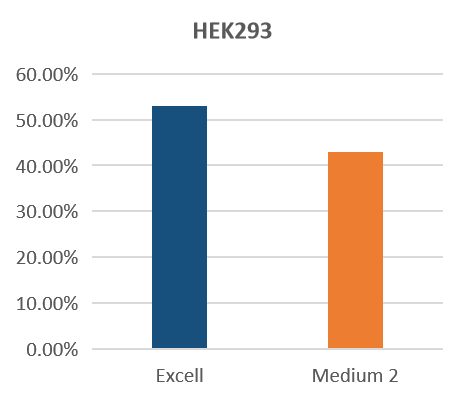
Looking forward, I compare three pragmatic directions: lean optimization (small tweaks to existing formulations), switch to platform serum-free media, or venture into bespoke, cell-line-specific media. I recently ran side-by-side tests in September 2022 that demonstrated platform media saved two weeks of development time but bespoke media lifted titers another 10% at the cost of six additional formulation cycles. For many production managers, that trade-off is clear. I urge teams to capture specific metrics early: titer, glycoform distribution, and downstream yield loss percentage. Those numbers tell you whether to invest in further media engineering or scale what already works.
Choosing a solution — three concrete metrics
As a practical closer, here are three key evaluation metrics I use when assessing any media strategy for cho cell culture: 1) Net titer improvement normalized per day of development (g/L per week invested), 2) Downstream recovery delta (percent protein lost during clarification and Protein A after media change), and 3) Stability of critical quality attributes (glycosylation variance expressed as %CV). I rely on hard numbers — not slogans. Use those metrics, and you’ll see where a solution pays off; you’ll also catch hidden pain points like increased proteolysis or unexpected host-cell protein spikes. I believe these measures cut through marketing and reveal the operational truth — that’s my stance after nearly two decades in this work.
For labs seeking practical help, I remain available to consult on media screens, feed design, and monitoring implementation — I’ve done runs from 3 L bench reactors to 2000 L production batches and I know the common traps. One more aside — small documentation lapses compound quickly during scale-up; don’t underestimate that. Finally, if you want a partner with hands-on experience and a pragmatic approach, consider discussing your needs with ExCellBio.