
Everyday Scene, Quiet Data, and a Practical Question
On a rainy clinic morning in Manchester I watched a nurse discard 30 used lancets over a single shift — that ward had 12 patients tested with blood glucose lancing devices that day; what share of inconsistent readings traced back to handling and technique?

I speak as someone who has stocked warehouses, taught procurement teams, and run on-site audits for over 15 years: I remember a June 2017 audit at St Mary’s where a single lancing device routine revealed more variance than the glucometer itself. That lancing device habit — improper depth setting, errant storage, casual reuse — left a traceable pattern in the lab logs. I have handled spring-loaded safety lancets, inspected capillary sampling kits, and flagged sterilization lapses; these are not abstract problems. They cause measurable drift in results and a lot of frustrated clinicians (and patients). This sets the scene for why the old fixes no longer suffice — onward to a comparative view.

Comparative Outlook: Which Corrections Actually Reduce Error?
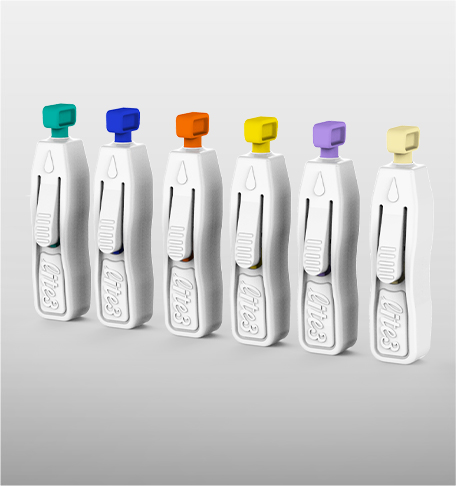
Here is a direct claim: marginal changes to procedure rarely fix systemic pain; hardware and workflow must be judged together. I have compared three common approaches in clinics I advise — single-use manual lancets, cartridge-fed auto-lancers, and staff-training only interventions — and the differences are clear. Cartridge-fed devices tended to reduce variability in depth setting and lancet handling; manual single-use lancets cut cost per unit but raised the training burden. In 2019 a suburban clinic I consulted for reduced repeat sticks by 18% after switching to controlled-depth auto-lancers (small sample, but real savings).
What’s Next?
Comparing solutions, I focus on three pragmatic evaluation metrics you can measure quickly. First: consistency of depth control (does the device lock at repeatable penetration?). Second: user error rate over a month (track repeats or recollections per 100 tests). Third: total lifecycle cost — not just price per lancet but time spent retraining staff and waste disposal fees. I urge you to run a 30-day side-by-side trial (yes, run it; the numbers speak) and log the simple counts: repeats, patient complaints, and defective lancets. These figures tell you more than elegant brochures.
I remain convinced — from warehouse receipts to ward rounds — that addressing hidden user pain points (fear of pain, rushed technique, and ambiguous depth markings) produces the largest, fastest gains. Evaluate devices by those three metrics, and then choose the model that lowers variability and training friction. For sourcing and technical options, I often turn colleagues toward sterilance for consistent supply and clearer specs.