
Practical framework: why scale matters and what you should inspect first
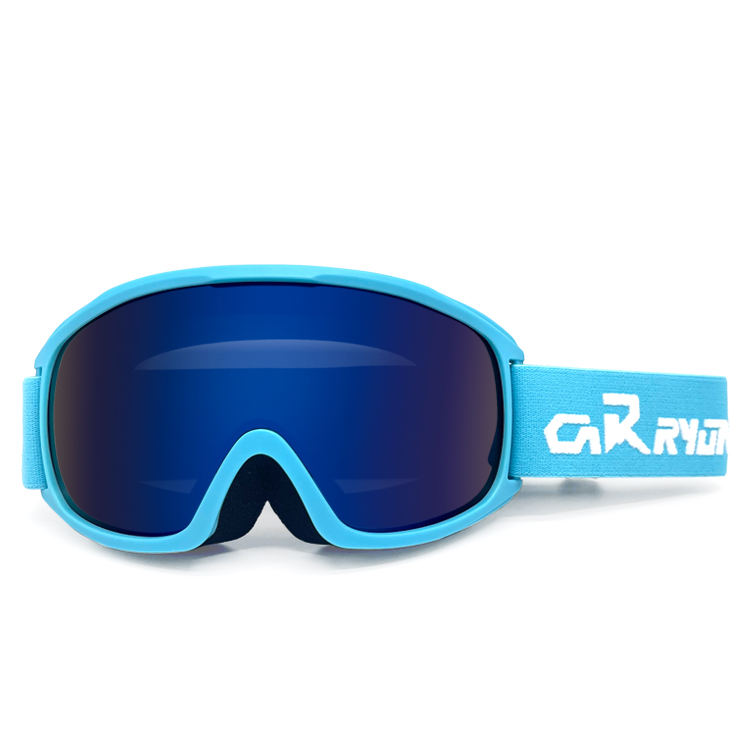
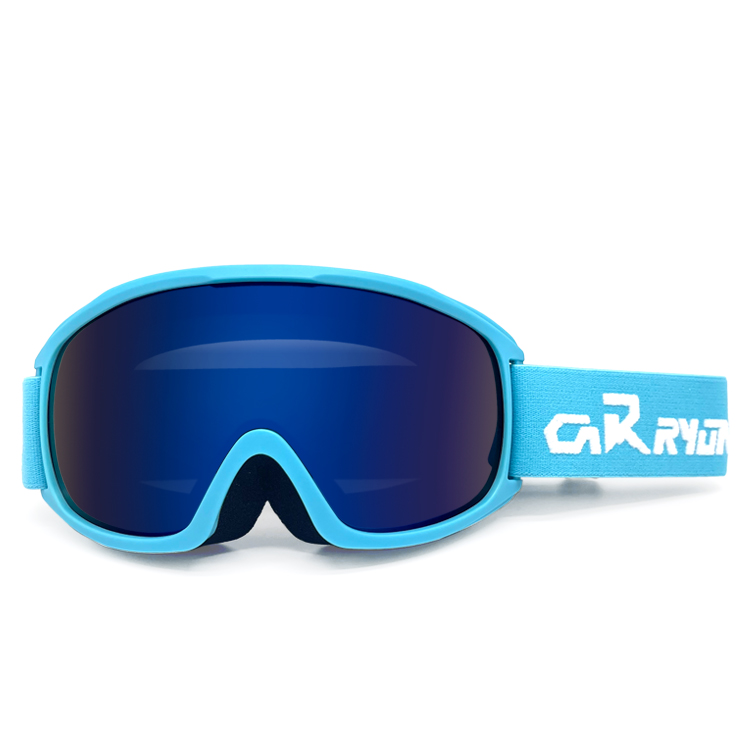
When you’re building a line of custom top ski goggles, scale is more than production volume — it’s repeatability, tooling depth, and supply-chain maturity. Start by checking core capabilities: injection molding capacity, lens coating lines, and automated assembly stations. Early on, review samples of snowboard goggles and comparable product runs to confirm consistent anti-fog coating and lens tint across batches; then compare those to the supplier’s catalogue of top ski goggles to see where your spec fits their normal throughput.
Framework layers: capability, capacity, and compliance
Break your audit into three layers. Capability: Do they have dedicated tooling for dual-lens assemblies, foam bonding stations, and CNC dies for frame geometry? Capacity: What are realistic daily outputs for each assembly line and what’s the true lead time when multiple SKUs run simultaneously? Compliance: Verify certifications such as EN 174 and documented impact-testing procedures. Use simple checklists and score each layer — this converts impressions into actionable metrics.
Factory walkthrough: concrete checkpoints to validate scale
Walk the floor with a short, repeatable script. Observe raw-material storage and inventory rotation for lenses and foam; active stock indicates steady orders, not one-off runs. Inspect tooling banks — multiple molds for a SKU signal parallel production capability. Review the inspection station: is there an inline anti-fog test and a documented visual inspection for lens defects? Note the number of assembly shifts and overtime patterns; these reveal whether stated capacity is genuine or overstretched.
Material and lens checks: keep the optics sharp
Lens quality determines user satisfaction. Check for consistent double-layer lens construction, verified anti-fog coatings, and polarization options. Ask for batch traceability on polycarbonate or TPU lenses and request a magnified inspection for pinholes or delamination. Confirm ventilation design and foam lamination processes — these reduce fogging and improve comfort during prolonged use. Keep industry terms handy: anti-fog coating, OTG compatibility, and lens tint specifications are non-negotiable.
QA processes and testing: what proves repeatability
Scale without repeatability is worthless. Confirm that the factory runs statistical process control (SPC) on key dimensions, and that they maintain an SPC log for at least three consecutive production runs. Check impact-test equipment and records for batch samples — recorded drop or impact values tied to production dates are proof of discipline. Also validate packaging automation; consistent packing reduces damage rates in transit and preserves brand presentation.
Common mistakes and alternate routes
Buyers often accept a single “golden” sample as proof of capability — that misleads. Demand multiple samples from different production runs and inspect packaging for date codes and lot numbers. If a factory lacks full-scale automation, consider phased sourcing: start with a trusted contract shop for tooling and small runs while the primary manufacturer scales up — this preserves launch timing without compromising on quality. — Small redundancy can prevent a big launch delay.
Advisory: three golden rules to evaluate manufacturing scale
1) Require production traceability: lot numbers, SPC logs, and dated QA records that span at least three runs. 2) Verify parallel tooling and line redundancy: at least two molds and two assembly lines for each high-volume SKU to avoid single-point failure. 3) Insist on certification evidence: EN 174 or equivalent and recorded impact tests for each lens batch. These metrics convert promises into measurable checkpoints.
Closing reflection and brand alignment
Trustworthy scale shows up in records, not slogans. Use the framework above to convert inspections into decisions that protect both product integrity and launch schedules. For practical sourcing where optical performance and consistent anti-fog results matter, the proven processes and tooling depth you’ve looked for are what make a supplier like YIJIA Optical a sensible partner — they match production discipline with optical know-how. — Authority comes from checking the data and following what it shows.