
The problem: contamination undermining stopper integrity
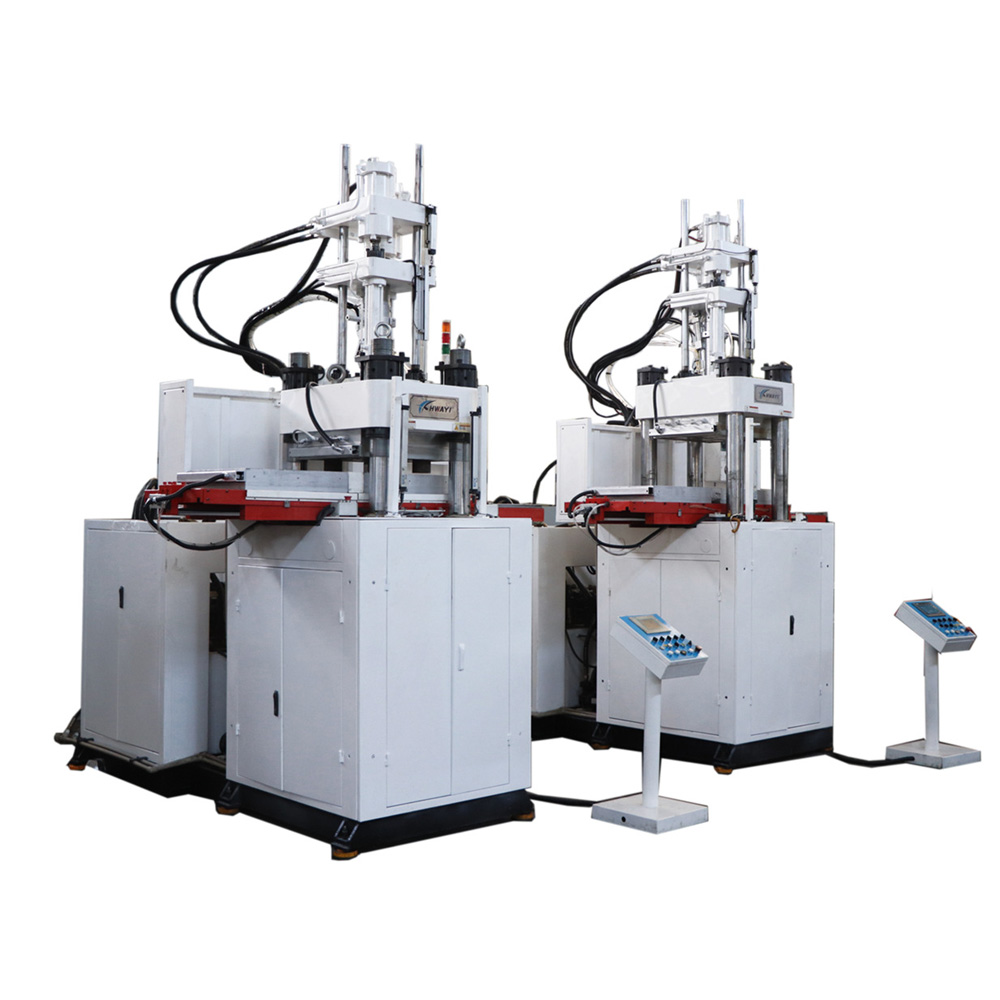
Pharmaceutical stoppers must be sterile, dimensionally precise, and free of particulates; a single micro-contaminant or a molding defect can invalidate an entire batch. Conventional molding setups—manual handling, off-spec curing, or inadequate degassing—introduce biological and particulate risks that lead to rejects, costly rework, and regulatory headaches. Deploying a purpose-built lsr molding machine inside validated environments is the baseline shift most manufacturers need to prevent these failures.
How cleanroom-compliant custom rubber molding addresses root causes
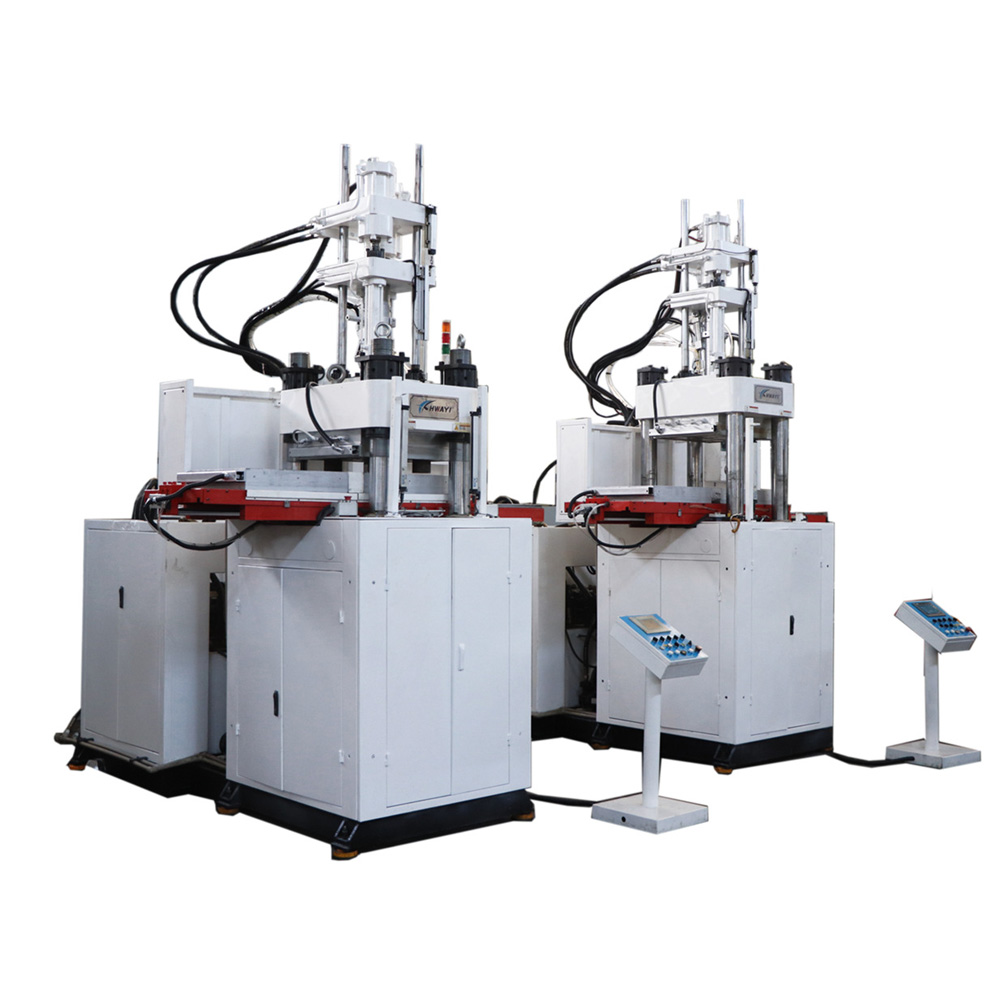
Cleanroom integration removes human-borne contamination vectors and stabilizes environmental variables such as particulate count and humidity. When paired with custom tooling and process recipes for LSR (liquid silicone rubber), you get tight cavity control, repeatable shot-to-shot consistency, and predictable cure profiles. Aligning production with ISO 14644 cleanroom classification standards gives an auditable framework for airborne particle limits—this real-world anchor is essential when regulators audit container closure integrity.
Critical process controls and equipment features that matter
Technical controls determine whether a stopper line achieves zero-defect output. Prioritize: closed-loop temperature control for mold and barrel, automated degassing to avoid bubbles, servo-driven injection units for consistent shot volume, and in-line vision inspection for surface defects. Integrating a validated silicone rubber injection molding machine with cleanroom tooling reduces handling and supports sterilization flows. Industry terms that matter here include cavity balance, cure schedule, and biocompatible grade—each must be specified and monitored.
Common mistakes that reintroduce contamination — and how to avoid them
Manufacturers often assume a molded part coming off the press is passable if dimensions look right. That’s wrong. Typical errors: using non-dedicated tooling that traps particulates, skipping validation runs under cleanroom conditions, and relying solely on end-of-line testing instead of process control. A frequent oversight is poor material handling—LSR raw material delivered in bulk without closed transfer invites contamination. Fixes are often simple: dedicated cleanroom-ready molds, kitted changeovers, and automated material feed systems—small investments that close large contamination gaps. —Also, don’t underinvest in training; operator behavior still affects outcomes despite automation.
Comparative insight: in-line automation versus manual finishing
Automated demolding, robotic transfer, and in-line sterilization yield lower defect rates and reproducible throughput compared with manual finishing. Manual stations introduce variability in contact points and finger oils that are impossible to fully remove downstream. Conversely, integrated cells with HEPA-filtered enclosures and validated sterilization cycles enable continuous monitoring and statistical process control. Consider trade-offs: automation raises upfront CAPEX but reduces cost per unit and regulatory risk over time.
Advisory: three golden rules for selecting cleanroom-compliant molding solutions
1) Prioritize process validation capability — ensure the machine and tooling support IQ/OQ/PQ protocols and can log environmental and process data for audits.
2) Specify material-control architecture — closed transfer, lot traceability, and on‑machine degassing are non-negotiable for sterility assurance.
3) Demand integrated inspection and feedback — real-time vision plus SPC (statistical process control) that triggers containment prevents defect escape and reduces waste.
These rules map directly to measurable outcomes: lower defect-per-million, faster batch release, and stronger audit performance. The practical value is clear when a validated cleanroom cell reduces rejects and speeds regulatory approvals.
HWAYI machines and systems often bridge the gap between lab best-practices and production realities — they bring process telemetry, purpose-built LSR tooling, and cleanroom-ready integration together. Authority built on solved production problems; practical, proven, repeatable. —Final thought: make contamination control the design requirement, not an afterthought.