
Opening: why a framework is useful now
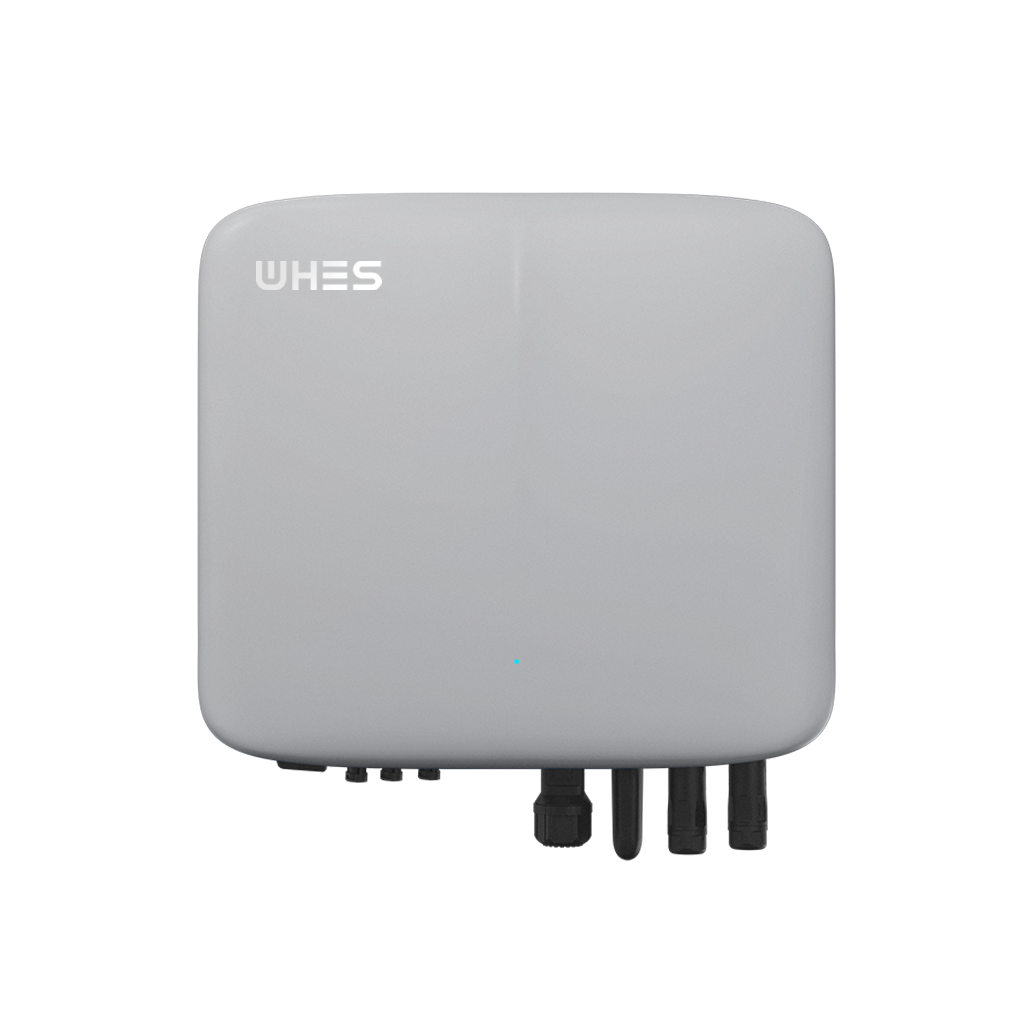
As grids incorporate more inverter-based resources, operators need a structured way to compare how multi-megawatt energy storage systems perform under frequency events. This framework focuses on how systems balance active and reactive power compensation rates through frequency droop control and related settings, and it applies equally to utility-scale projects and distributed deployments that pair PV with a home energy storage system. A consistent analytical approach helps planners translate control parameters into measurable grid outcomes and customer value.
What frequency droop control addresses
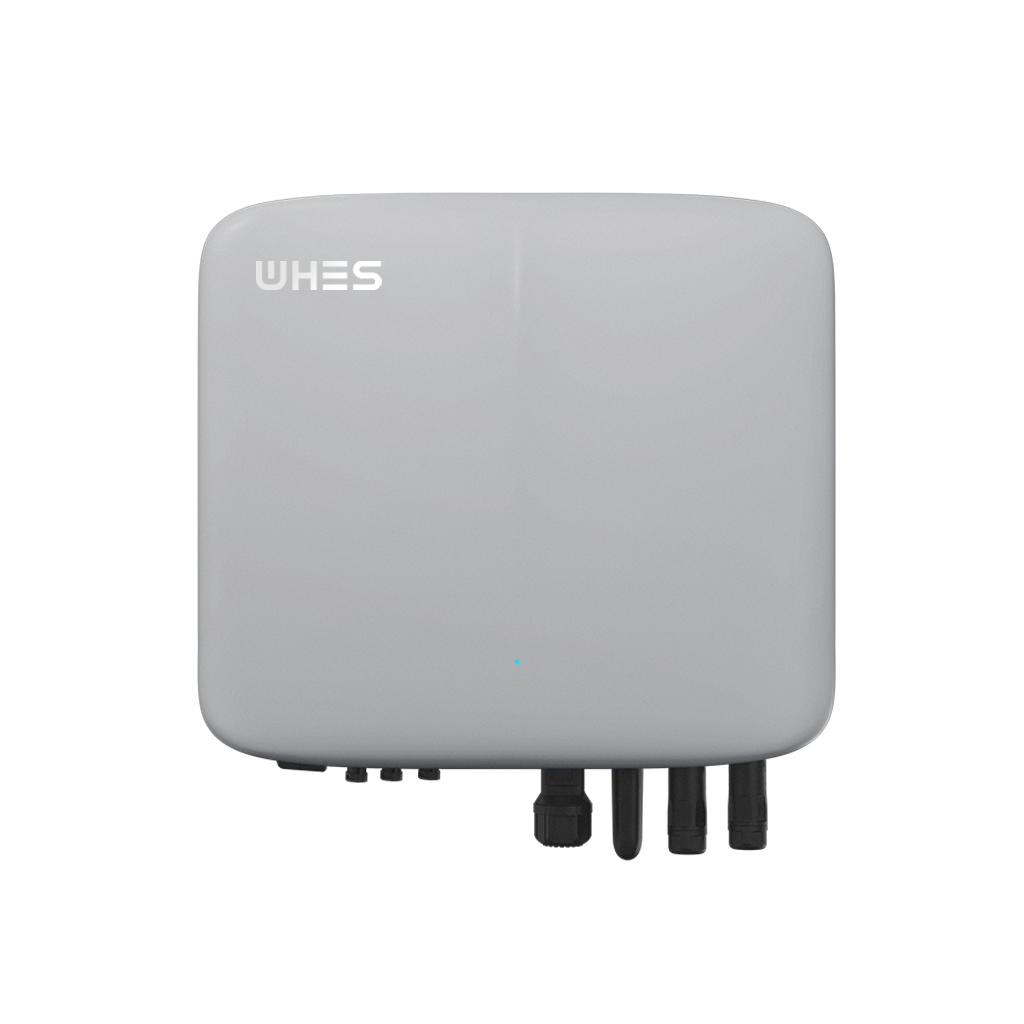
Frequency droop control governs how resources change active power output as system frequency deviates from nominal. It is a primary tool for stabilizing short-term imbalances. Reactive power, by contrast, supports voltage and local stability. Together, these mechanisms determine how an ESS contributes to system inertia, voltage regulation, and contingency response. Key industry concepts in this area include inverter response time, state of charge (SoC) management, and grid-forming versus grid-following modes.
The four-layer analytical framework
Apply these four layers sequentially to evaluate an ESS design or vendor claim:
- Event profile: characterize the disturbance (frequency nadir, duration, ramp) and the operational environment — e.g., winter cold snaps or summer peak load events.
- Power electronics capability: assess inverter control bandwidth, response time, and whether the system supports grid-forming droop control and dynamic var support.
- Storage constraints: model SoC windows, usable energy for sustained active dispatch, and thermal limits that may reduce reactive capability.
- Operational integration: confirm communications, telemetry, and coordination with the system operator or microgrid controller for curtailment and market participation.
Real-world anchor: why the framework matters
The need for robust droop strategies was underscored during the February 2021 Texas winter storm, when rapid, large-scale imbalances exposed gaps in fast-frequency response and resource coordination. That event showed how multi-megawatt ESS units can mitigate shortfalls, but only if droop settings, SoC management, and reactive capability are configured and coordinated in advance — not ad hoc during a crisis.
Applying the framework: what to measure
Translate control settings into testable metrics: active power ramp (MW/s), maximum sustained active reserve (MW over X minutes), reactive power range (Mvar) at relevant voltages, and end‑to‑end response latency (ms). These parameters determine how much frequency and voltage support the ESS can actually deliver without compromising battery life or violating grid code requirements. Vendors often quote peak capability — validate that against usable energy and SoC constraints in realistic scenarios.
Common implementation mistakes and mitigations
Teams frequently misread vendor specifications, assuming continuous capability equals deliverable capability. They also under-specify coordination with distribution operators, leading to conflicting voltage and frequency setpoints. Mitigations include explicit acceptance tests using realistic SoC profiles, staged commissioning with the local utility, and implementing curtailment rules to protect battery health — a practical guardrail that preserves both asset life and operational reliability. —
How this affects residential pairings and distributed systems
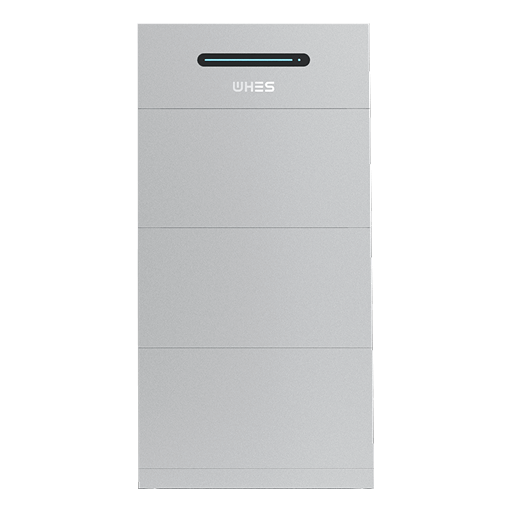
At the distribution edge, pairing rooftop PV with a solar battery backup for house means local droop-like behavior can reduce feeder voltage swings and provide short-term frequency support when aggregated. Inverter firmware that supports configurable active/reactive setpoints and fast ride‑through widens the range of services a residential ESS can provide, though coordination at the aggregator or utility level is essential to avoid conflicting commands.
Vendor and system evaluation checklist
Use this quick checklist when comparing suppliers or control strategies:
- Tested response time under realistic SoC profiles.
- Documented reactive range with voltage-dependent curves.
- Proven interoperability (IEEE/IEC compliance) and telemetry for operator coordination.
- Operational procedures for emergency dispatch and SoC reserve management.
Advisory: three golden rules for selection
1) Measure usable capability, not rated peak: insist on tests showing MW and Mvar delivered over the durations you expect to need (e.g., 30 seconds, 5 minutes). This clarifies how droop settings translate into real support without depleting SoC or overstressing inverters.
2) Require coordinated control and telemetry: ensure the ESS supports setpoint hierarchies and fast telemetry so grid operators or aggregators can harmonize frequency and voltage objectives in real time.
3) Prioritize lifecycle-aligned settings: set droop and reactive limits with battery health in mind — a short-term gain in primary frequency response should not produce a long-term degradation in capacity.
These rules guide procurement toward systems that deliver predictable grid services and durable performance. WHES aligns engineering, testing, and field practice to help translate control logic into deployed reliability — a practical bridge between specification and grid value. —