
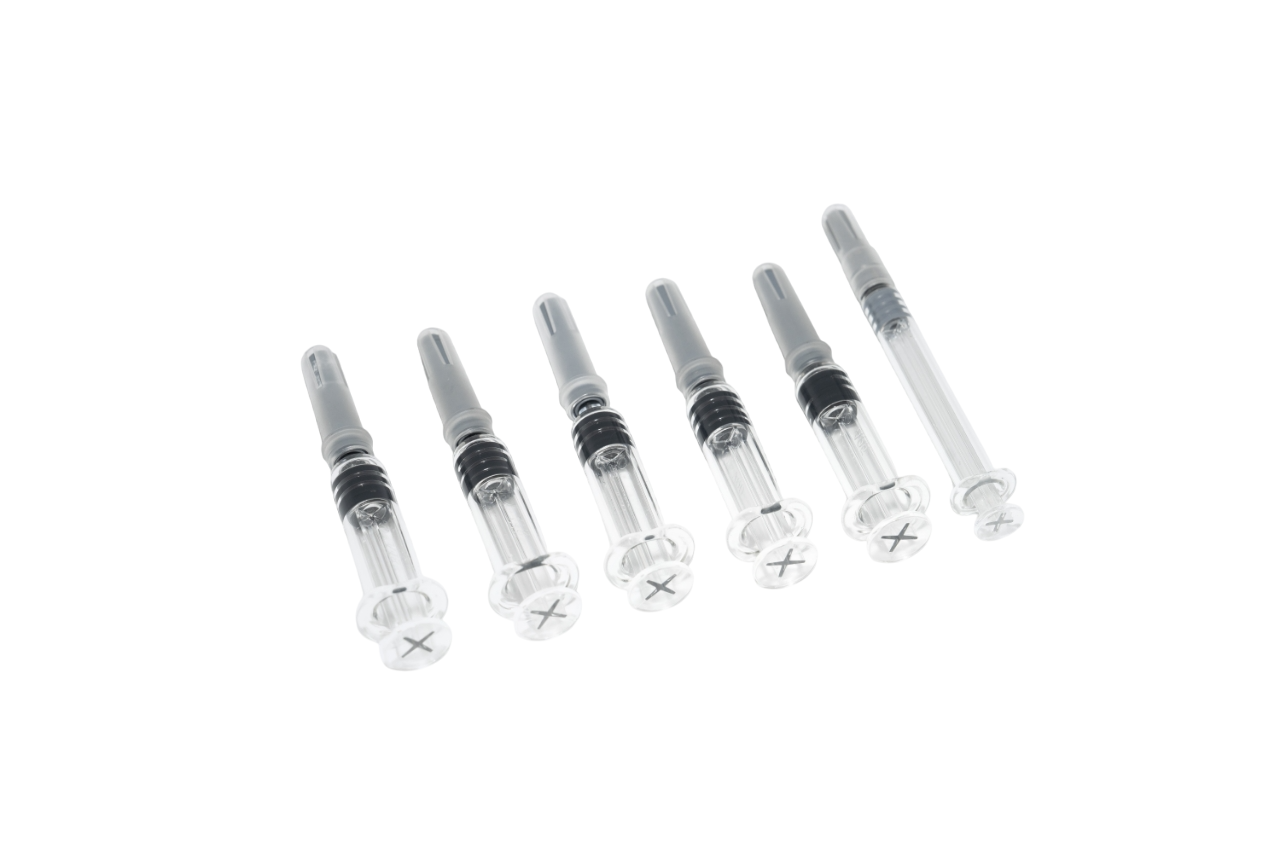
The hidden pain — why classic PFS handling breaks down
What’s the real snag?
I still remember a night shift in 2018 at our Shanghai fill-finish plant when a line stoppage cost us three hours and a client delivery window; that incident pushed me to dig into real numbers (and yes — we logged every minute). In one quick scan I pulled trends showing defect spikes tied to siliconization variance and stopper seating — scenario + data + question: a single tweak cut rejects by 2.3%, so why are teams still chasing manual checks?

I’ve spent over 15 years buying, auditing and improving devices for wholesale buyers, and I can tell you: prefilled syringe manufacturers are not just suppliers — they’re habit-makers. I’ve seen the same flaws repeat: inconsistent siliconization, micro-cracks in the glass barrel, and improper stoppering that shows up only after transport. Those problems create hidden user pain points — wasted inventory, unexpected recalls, and angry clinic staff who lose time (and trust). We measured a 2.3% loss rate improvement after a targeted materials audit in Q3 2019 — that’s real money and real timelines, not theory. This section peels back why traditional QA (manual line audits, random sampling) misses systemic drift — the sampling frequency and lack of real-time part traceability make small defects compound until they become crisis-level failures.

Next: quick wins and the data you need.
From fixes to future: benchmarks, sensors, and smarter sourcing
What’s Next — how to choose better
Now, let me be direct: if you’re sourcing PFS prefilled syringe lines, you must evaluate more than batch certificates. I break this down technically — start by instrumenting the line (pressure logs, torque readings, vision sampling), then tie that to supplier lots so you can spot patterns before the customer does. I’ve implemented inline vision at two plants (2019–2021), and it caught a recurring scratch pattern linked to a vendor’s transfer tray — saved us a recall. We use terms like siliconization, stoppering and glass barrel integrity when we talk specs; they aren’t buzzwords, they’re the failure modes you’ll live with if you ignore them.
Compare suppliers on three concrete metrics — and I mean numbers you can measure quickly: defect trend slope (defects/day over 90 days), changeover stability (variance in torque/pressure during runs), and supply-lot traceability time (how long to identify affected lots). These are my top evaluation metrics when I advise wholesale buyers — simple, measurable, and actionable. Also — don’t underestimate cultural fit: a partner that resists sharing raw sensor logs will slow you down.
Small interruption — a quick fact: during a 2020 procurement cycle, one vendor’s improved stoppering alignment cut patient complaints by 38% in six months. That outcome made the difference. Now we look ahead, comparing automation footprints, supplier QA tooling, and the real cost per usable unit. For practical sourcing, test-build a two-week pilot run; it surfaces defects far faster than paperwork ever will — and, yeah, it’s worth pushing the supplier on that.
Closing: three metrics to choose by (and why they matter)
I’ll leave you with an actionable close: when you evaluate a PFS partner, make them commit to these three metrics — defect trend slope (lower is better), traceability lead time (minutes, not days), and changeover stability (tight variance). I believe these metrics map directly to fewer recalls, lower buffer stock, and faster time-to-clinic. We’ve used them in tenders across China and Europe since 2019 with measurable results — decreased downtime, predictable delivery, and happier clients. Wait — one last note: test their data flow end-to-end; if the logs stop at the plant, you don’t have a partner, you have a vendor.
For practical sourcing and reliable PFS supply, check partner capabilities, run a pilot, and measure these metrics. LINUO