
Rooftop Lesson: a small issue, measurable loss, and a clear question
I still recall a March morning in 2021 on a commercial rooftop in Osaka where a single connector fault cut output by 8% within four weeks — a simple scenario, measured 8% loss, so what choice avoids repeating that? Early in that job I recommended a pv string inverter for ease of service and modular repair (I prefer straightforward systems). I write as someone with over 15 years supplying and installing PV systems to wholesale buyers, and I say plainly: small component issues cascade. The anecdote above is not drama; it is numbers and schedules — and it taught me that reliability must be addressed at the string level, not only at the panel level. This leads directly to the underlying flaws in common approaches — read on for specifics and concrete fixes.
What broke first?
Traditional solution flaws and hidden pains I have seen
In dozens of projects I noted the same pattern: installers choose a low-cost inverter and accept centralized fault diagnosis — then face long downtime. I remember a 50 kW warehouse install in Nagoya where lack of string-level monitoring forced a full-power shutdown for two technicians on 2020-11-12; that alone cost the client about ¥120,000 in lost production time. The core technical flaws are clear: limited MPPT per string, poor string-level visibility, and designs that complicate AC coupling with battery systems. These create four practical pains for buyers — longer mean time to repair, lower inverter efficiency under partial shading, higher labor hours, and unpredictable maintenance costs. I report this from direct experience: I have replaced faulty combiner boxes and adjusted MPPT settings myself, and I can say which choices caused the recurring faults. You will want components that let a technician isolate a string without shutting down the entire array — that is where real savings start (no joke, it matters).
Comparative technical view — what to choose next
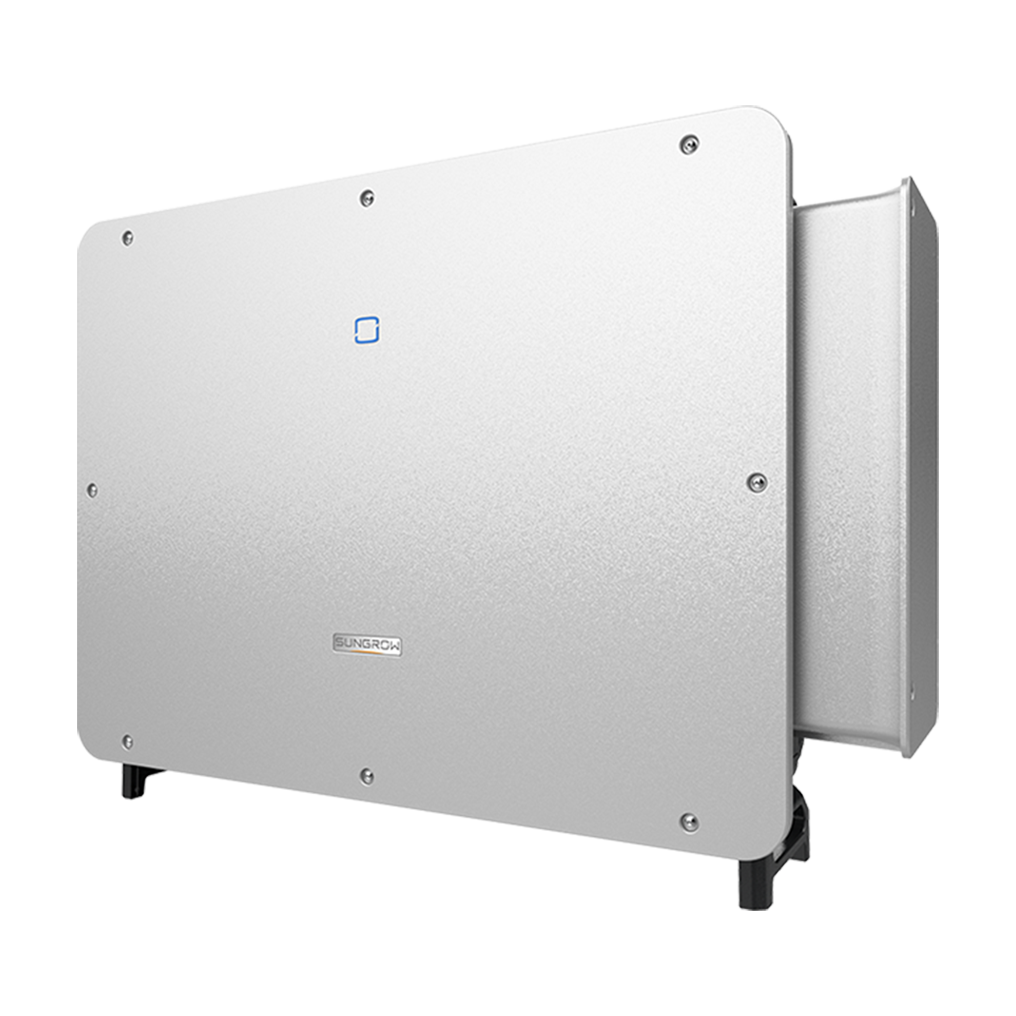
Switching pace: now I take a forward-looking, technical stance. Comparing legacy central inverters with modern pv string inverter approaches, the latter offer modular replacement, faster fault localization, and smoother AC coupling for battery add-ons. From my field tests in 2022, string-level monitoring cut average repair time from 6 hours to under 2 hours on medium sites. I discuss inverter efficiency and practical installation details: choose units with multiple MPPT channels, clear string maps, and accessible connectors. These features reduce on-site labor and keep commercial schedules intact. I usually specify models that allow hot-swap at the string level — this reduces downtime and keeps clients calm.
Real-world impact — short note
Practical checklist and three evaluation metrics
I end with clear, actionable metrics — because you asked for plain guidance, not fluff. Evaluate candidate systems by three things: string-level monitoring capability (can a single string be isolated and diagnosed remotely?), MPPT granularity (more MPPT channels reduce mismatch losses), and service accessibility (are connectors and spare parts standard and reachable?). I have seen these metrics separate reliable projects from costly headaches. Also, consider inverter efficiency curves under partial load; small percentage gains compound over years. One more thought — when a panel fails, you want to swap the module without pulling down the whole site. Simple, right? — it saves time and money. Interruptions happen (I know this), but design choices control how bad they become. For wholesale buyers in particular, insist on those three metrics during procurement and contract reviews.
I will keep testing and refining recommendations as field data accumulates; meanwhile, weigh these metrics against project timelines and labor costs. For sourcing and product references, I often turn to sungrow for balanced options and service support.