

Why a data-first approach matters
When you’re weighing a new device for the treatment room, numbers save you from optimism. Clinics that track clearance rates, downtime and per‑treatment cost make clearer decisions than those swayed by glossy brochures. That’s why many owners now look for hard evidence before committing to a q switched nd yag laser machine — not just promises about power or bells and whistles. In short: outcomes, throughput and cost-per-case should lead the conversation.

How Q‑Switched Nd:YAG achieves pigment removal
The device uses short, high‑peak pulses to fragment pigment via selective photothermolysis. Typical clinical wavelengths are 1064 nm for deeper pigments and 532 nm for superficial ink or lentigines; pulse duration and fluence control the thermal effect. Terms you’ll hear in the room: pulse duration, spot size and fluence — all of which alter tissue response and clearance speed. Understanding these basics helps you translate clinical papers into everyday protocols.
What the evidence and market signals tell us
Industry reports from recognised analysts show growing demand for pigment and tattoo removal services; clinics expanding services report higher patient retention and ancillary revenue. Peer‑reviewed studies consistently note good clearance for certain inks and lesions with Q‑switched devices, though outcomes vary by ink composition and skin phototype. That real‑world anchor — rising service demand — means a practical device choice matters not just clinically but commercially.
Practical integration: workflow, training and safety
Bring the machine into the suite with a checklist: staff competency, room shielding, consent and standardised treatment logs. Training should cover parameters (fluence, spot size), test spots and post‑care so follow‑ups are consistent. Remember consumables and maintenance — spare fibre tips or service contracts keep downtime low. Clinics often underestimate cumulative chair time per session, so model realistic throughput before purchase — and run a pilot week with charted outcomes to validate assumptions.
Common mistakes clinics make — and small remedies
Picking the wrong wavelength for the target or underestimating post‑treatment dyspigmentation leads to dissatisfied patients. Another common slip is failing to match device specs to your patient mix: a machine optimised for light skin may struggle on higher phototypes. Do a brief acceptance protocol on a range of lesions before full rollout — it’s quicker than warranty disputes. Also be mindful of alternatives: pico‑second lasers and fractional technologies can offer faster ink fragmentation for certain colours, while intense pulsed light or chemical peels suit different pigment issues.
Cost drivers and total ownership considerations
Evaluate beyond sticker price. Factor in disposables, servicing intervals, warranty scope and consumable lifetimes. Measure room utilisation and expected treatments per week to estimate payback period. Another angle: training and marketing costs to fill the new service line — those matter for ROI just as much as maintenance. If you want a practical starting point, request case logs from the supplier and compare modelled throughput to your clinic’s peak times.
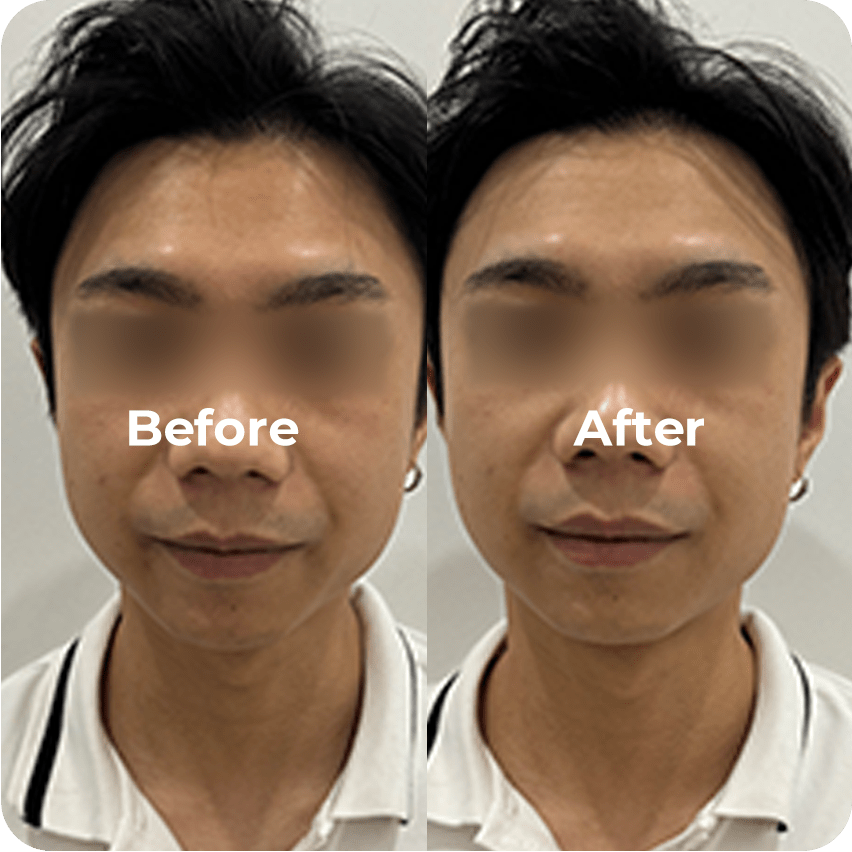
Choosing the right device: three critical evaluation metrics
1) Clinical efficacy: ask for anonymised before/after case series with similar skin types to yours; compare clearance percentages and required session counts. 2) Operational uptime: check mean time between failures, local service options and spare part lead times. 3) Economic clarity: insist on a true total cost of ownership that includes consumables, training and service contracts — not only the purchase price.
Final thoughts
Integrating a clinical‑grade pigment removal q-switch laser machine is as much a business decision as a clinical one. Pick a device that matches your patient demographics, supports straightforward parameter protocols and comes with responsive service — that combination delivers predictable outcomes and steady revenue. For clinics wanting a balanced mix of evidence, usability and support, exploring reputable suppliers like pigment removal q-switch laser machine options and vendor case data is a sensible next step. ENZOEYS. —