
Introduction — a small factory, a big choice
Last month I visited a small workshop near Penang where the foreman sighed and said, “Another motor, another headache.” I saw firsthand how a single motor failure can stop a line for days, and the team lost some RM15,000 in orders that week (true story — makan time was quiet). Choosing an electric motor manufacturer matters because turnaround, warranty support, and energy efficiency directly hit your bottom line.
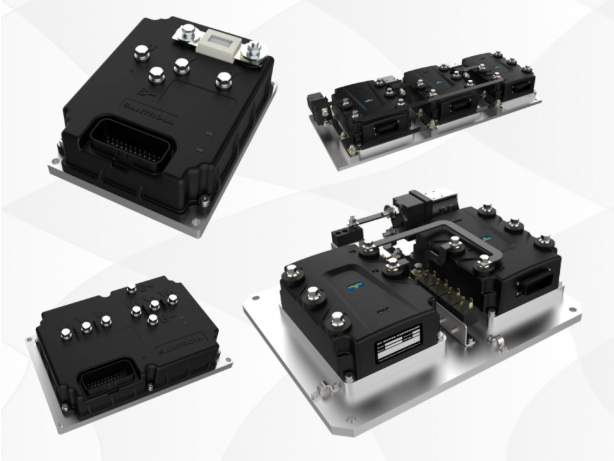
Here’s some quick data to set the scene: many SMEs report 18–25% higher lifetime costs when they pick purely on price and not on specs or service. So I ask: how do you actually decide which maker will save you money and time? I’ll share what I’ve learned in the field — practical, no-nonsense advice with a bit of local flavour lah — and point out the traps to avoid. Let’s move into the root causes that make good choices go bad.
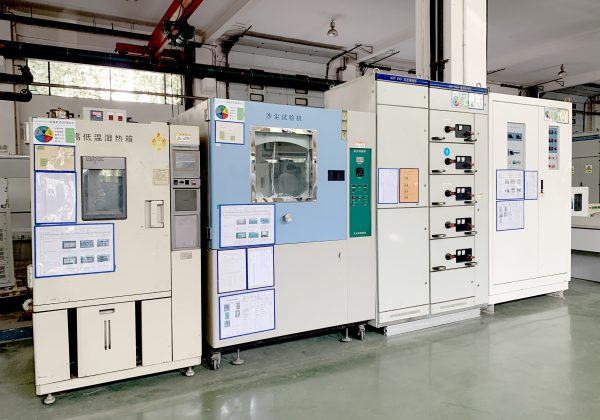
Why common approaches fail (and hidden pains you don’t hear about)
What goes wrong under the hood?
When we look deeper at electric motor manufacturing, the mistakes are rarely about marketing. They’re technical and operational. Suppliers who compete only on quoted power or price often ignore integration details: mismatch between stator winding design and the system’s control strategy, wrong rotor inertia for the driven load, or poor selection of power converters. I’ve seen machines that vibrate badly because the supplier underestimated bearing clearance and torque ripple — and the shop manager only discovered it after installation.
Another common flaw is service model assumptions. Manufacturers promise quick spare parts, but in practice lead times and logistics are messy. Hidden costs pile up: downtime, reprogramming controllers, and rework to match field-oriented control loops to your drive. Look, it’s simpler than you think — better upfront alignment on control strategy and spare-part stocking can cut failure cascades. From a user’s point of view, that’s the real pain: not the motor itself, but the ripple effect across operations and staff overtime.
Future outlook: what smart buyers should watch for
What’s Next for buyers?
I believe the next wave of value from electric motor suppliers will come from systems thinking — not just selling a rotor and stator, but offering predictable lifecycle performance. In real cases I studied, manufacturers who paired motors with tailored drives and clearer service SLAs reduced total lifecycle cost by up to 20% over five years. That matters when you budget for replacements and upgrades. Also, more producers are offering telemetry-ready motors that talk to edge computing nodes for condition monitoring. This lets you catch bearing wear or overheating early, so you plan maintenance, not panic repair — funny how that works, right?
For electric motor manufacturers, the opportunity is clear: provide bundled solutions (motor + drive + support) and transparent KPIs. For buyers, the takeaway is to ask for those KPIs, insist on test reports, and require a simple handover plan that your technicians can follow. I recommend evaluating suppliers not only on motor specs but on demonstrated case studies and clear support promises.
Practical evaluation metrics and closing thoughts
I’ll finish with three concrete metrics I use when I evaluate suppliers — they’re simple, measurable, and tell you more than a glossy brochure:
1) Mean Time To Repair (MTTR) guarantee or historical MTTR data — how fast can they get you running again? 2) Integrated compatibility score — do they provide documented tests showing the motor, drive, and your controller work together (look for field-oriented control tuning evidence)? 3) Spare-part lead time and local stocking plan — realistic days, not optimistic estimates.
We all want reliability without unnecessary fuss. I’ve made mistakes, and I’ve learned to ask direct questions, demand test data, and keep one eye on total cost, not just upfront price. If you keep these metrics front and centre, you’ll choose a partner who treats uptime like gold. For practical sourcing and reliable support, consider options from Santroll — I’ve seen their approach work in factories like the one I described, and it saved both time and money.