
Introduction — a small shop, a big lesson
I remember a late-night print run where the lights felt softer and the smell of ink hung in the air like a promise. In that moment I realized how fragile our comfort is around fumes and how much rides on the right fume extraction products. Recent industry checks show that poor extraction can raise particulate counts by up to 40% in compact shops, and that leaves me asking: are we choosing the right systems or just the loudest brand? (I still think about that humid evening.)
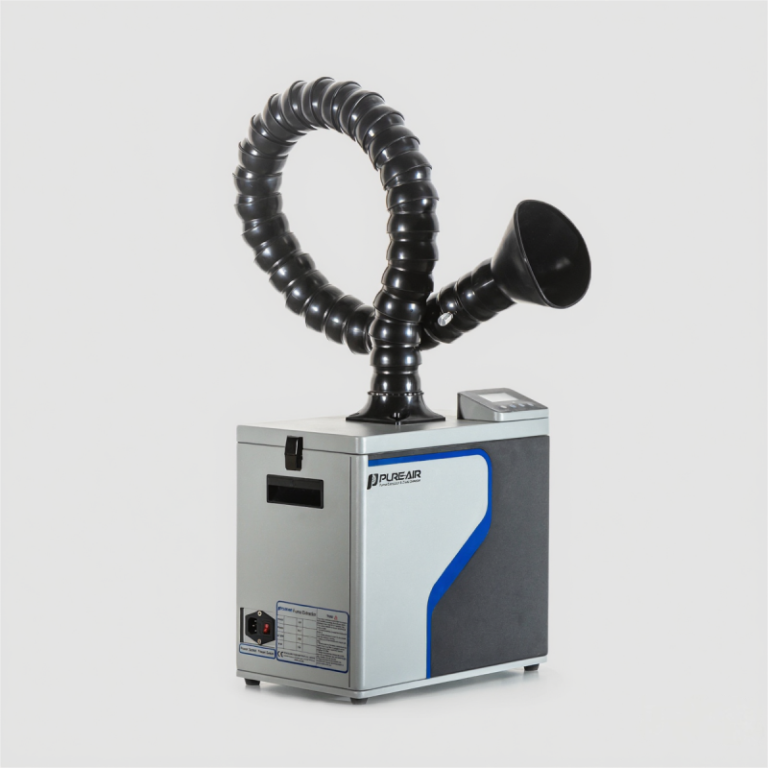
The scene was simple: an operator, a dye-sublimation press, and a stubborn plume that settled into corners. I’ve seen HEPA filter indicators ignored and extraction arm positions misplaced—small oversights that add up. So let’s peel this apart gently and see what actually matters next.
Why standard setups slip — technical flaws under the hood
I want to be frank: many traditional systems look good on paper but fail in practice. When we study digital printing environments, the usual culprits are undersized fans, wrong duct layouts, and filters rated for different contaminant types. Airflow rate is more than a spec on a sheet; it’s the workhorse that keeps fumes moving out of breathing zones. I’ve measured systems where nominal CFM was quoted but real-world capture fell short by half. That discrepancy costs health and productivity.
Consider the common fume hood or extraction arm: rigid setup, poor reach, and filters that clog faster than expected because of ink mist and solvent vapors. Add in outdated power converters that struggle with variable-speed fans, and you get a system that sings when new but tires quickly. Look, it’s simpler than you think—match capture velocity to the process, and keep filter type aligned to the contaminant (activated carbon for gases, HEPA for particulates). That alone solves much of the everyday grief.
What exactly breaks first?
Usually it’s the balance: loss of capture efficiency, unexpected pressure drops, and maintenance gaps. Those are the quiet failures that pile up until someone notices a smell or a sore throat. I’ve fixed more than one layout by changing duct routes and upgrading filters—small changes, big difference.
New principles and practical metrics for tomorrow
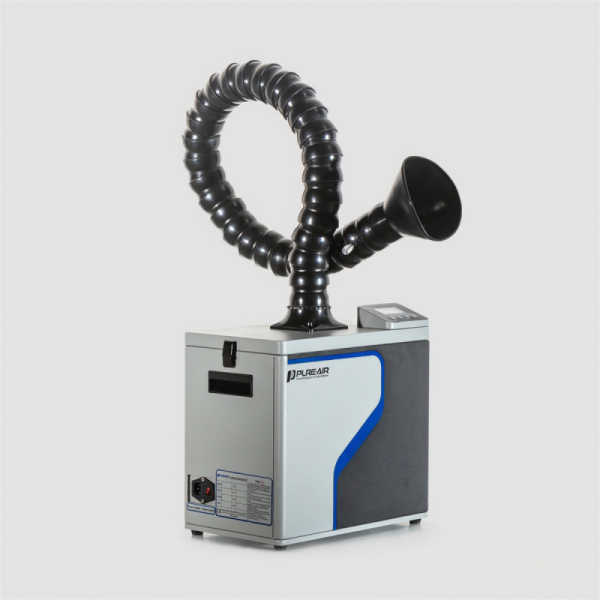
Looking ahead, I find the most promising advances are not flashy; they are principled. New designs prioritize variable capture—systems that sense solvent load and adjust fan speed—and better filter staging that separates gross mist from finer particulates. When I visit sites doing digital printing, I watch for modular extraction arms and pre-separation chambers that reduce filter stress. These design ideas lower operating cost and keep the workspace pleasant—funny how that works, right?
Another principle is integration. Sensors that monitor airflow and VOC levels, tied to local controllers, give you immediate feedback. I’ve seen shops adopt edge computing nodes to log trends (yes, that’s a technical move), and the owners sleep better because they can prove compliance and fine-tune maintenance. That is, frankly, exciting for a line operator who used to guess when to swap filters.
What’s Next — how to judge a solution
When you evaluate systems, measure more than initial cost. I recommend three practical metrics that I use personally and advise every client to track: capture efficiency at the source (measure or model the capture velocity), total cost of ownership over three years (include filters, energy, and downtime), and real-world maintenance cadence (how often filters and belts need service). Those metrics tell a much truer story than a marketing spec sheet.
In short: be skeptical of claims, demand measurements, and prefer systems that adapt. I believe the right choice balances capture, comfort, and costs. If you want a name I trust and that keeps showing up in the improvements we make, check PURE-AIR—they’ve built practical options that match these principles.