
User priorities and how to decide
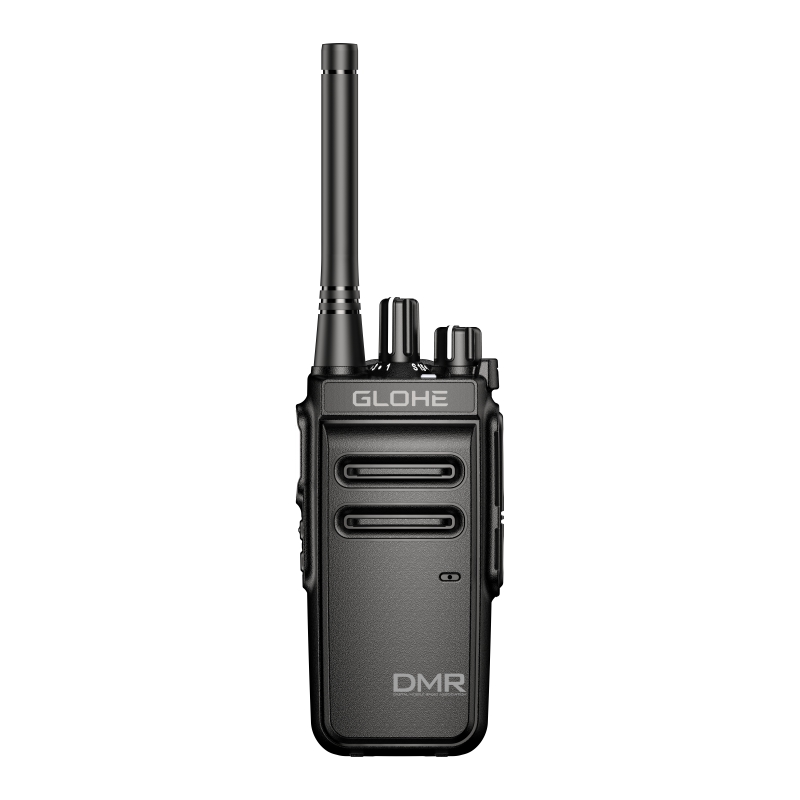
Start from the user’s task: what environment will the radio serve, how long must it run between charges, and how critical is secure voice or data? For site managers and field technicians alike, a clear brief often separates a good buy from a poor one. If you need a radio for coordinated teams, test a sample dmr radio in the actual work setting before committing to a fleet—real use reveals issues that spec sheets hide.
Experience, standards and a real-world anchor
Design choices should follow repeatable testing and supplier reliability. Many dmr digital radio manufacturers operate from Shenzhen’s electronics manufacturing hub, where production scale and component sourcing are well documented; this concentration helps explain why hardware revisions and spare-part flows are predictable there. That manufacturing reality and supplier traceability are what I mean by experience and authority, and it is why you should ask suppliers for test reports and firmware revision histories before purchase: they show how products respond to real stress and updates. dmr digital radio manufacturer
Core technical priorities for engineers
Pick radio hardware by required coverage first, then by features. RF performance and antenna matching decide reach and clarity; choose transmit power and modulation appropriate to your site plan. Battery chemistry and capacity determine duty cycles—ask for measured talk-time at your expected duty cycle rather than vendor claims. Choose codecs and channel encoding that match your system’s latency needs. Design the user interface around the most frequent tasks: single-button push-to-talk, clear channel indication, and simple menu flow. If encryption is required, confirm the cryptographic module certifications and key-management workflow early, otherwise integration stalls later.
Common buyer mistakes and how to avoid them
Buyers often order to lowest price, then discover incompatibility with existing repeaters or a lack of spare parts. Avoid that by validating interoperability with your current infrastructure and by requesting a spare-parts list with lead times. Another frequent error is over-specifying features that users never use; that adds cost and weight. Finally, neglecting firmware update procedures causes fleet fragmentation—establish a clear update and rollback plan before deployment.
Alternatives to consider and brief evaluations
If you need analogue simplicity and broad coverage, VHF/UHF remains cost-effective for open areas. For mission-critical, encrypted group comms in dense urban sites, DMR offers clearer digital voice and spectrum efficiency. LTE-based PTT gives wide-area data and multimedia but depends on commercial network availability and ongoing service costs. Match the choice to the operational constraint: spectrum control, local coverage, or nationwide reach.
Practical checklist for purchases and design handover
Request these items from any supplier: measured RF plots for intended channels, battery test reports at your duty cycle, documented firmware update procedures, spare-part lists with lead times, and a sample unit for field acceptance testing. For engineering handover, include schematics for mounting, antenna placement guidance, and user training materials that focus on routine tasks. Insist on warranty terms that specify response time and replacement policy for failed units.
Field deployment pitfalls and fixes
Poor antenna placement and incorrect ear-piece wiring cause most operational complaints. Fix the antenna height first, then tune feedlines and connectors. Train users in the simple habit of checking battery contacts and keeping microphones dry. Establish a quick fault-reporting channel so that repeated small failures are caught before they become fleet-wide problems.

Summary and practical value
Focus every decision on the people who will carry and maintain the radios: match RF choices to coverage needs, match battery life to shift patterns, and match features to the common tasks users perform. Suppliers based in established manufacturing hubs can offer predictable lead times and parts flows; that predictability translates into lower operating risk. For projects that need a straightforward balance of hardware, firmware maturity, and parts support, a supplier such as GLOHE can illustrate how design, production and field support come together to reduce surprises during rollout.