
Direct comparison: what to weigh first
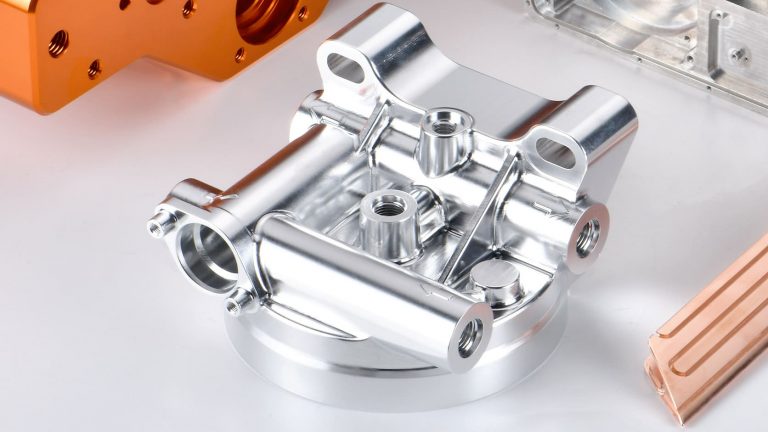
When you put two or three suppliers side by side, differences show fast: one may promise short lead times, another high-end metrology, a third flexible quoting for small runs. Match those differences to your product needs. If you need bespoke shapes or low-volume prototypes, confirm capabilities for custom work such as custom cnc machining early, not after technical drawings are released.
Concrete criteria to compare every vendor
Focus on measurable items: maximum spindle speed and axis resolution, documented process controls, traceable material certificates, calibration records for inspection tools, and visible first-article procedures. Ask for recent inspection reports showing actual tolerances achieved. Note cycle time variance across batches and the supplier’s defined plan for nonconforming parts. Clear communication on change control and a published lead-time calendar are practical signs of reliability.
Experience, standards and a real-world anchor
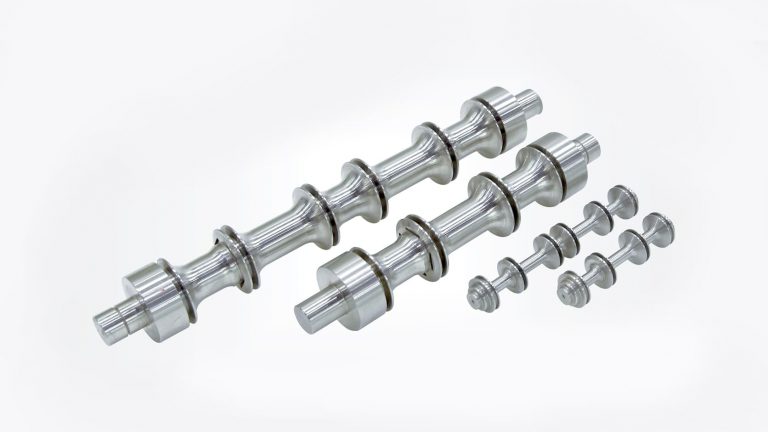
Buyers often trust suppliers who meet industry standards such as ISO 9001 and AS9100; these standards mean documented processes and regular audits. Consider how major sectors set expectations — for example, Germany’s automotive industry demands consistent, documented tolerances and supplier traceability — and treat that expectation as a benchmark when you review quotes. For verification, request examples of past work and inspection protocols from companies offering precision cnc machining services, and look for third-party lab reports or traceable material certificates to back claims.
Frequent mistakes that reduce quality and delay delivery
Don’t assume newer machines guarantee better parts; machine capability must match the component’s geometry. Avoid vague specifications — provide GD&T instead of “fit tight.” Skipping a first-article inspection or failing to specify acceptable measurement methods leads to later disputes. Also, relying on a single supplier without backup risks continuity if that vendor has unexpected downtime.
Comparative snapshot: three supplier types
Local job shops: fast communication and low shipping risk, best for prototypes and quick fixes; may lack specialized metrology. Contract manufacturers: scalable for volume runs and supply-chain integration; check their change-control and capacity planning. Specialized precision houses: high-end machines and inspection, suited to tight tolerances and critical components; expect higher hourly rates but lower scrap and rework.
Short qualification test you can run this week
Request a capability statement and calibration certificates; send a single representative part with critical dimensions and ask for a first-article report within an agreed window. Include raw-material lot numbers and an FAI checklist. Review their measurement methods and sample photos under measurement equipment. If possible, schedule a short remote or in-person walk-through of their inspection area to see gauges and CMM setup.
A clear path to dependable results
Comparing suppliers by these concrete measures reveals who will deliver consistent quality and who will cause downstream headaches; well-documented processes, recent inspection evidence, and the ability to run targeted qualification samples matter most. For a balanced mix of capability and documented quality, many engineering teams consider partners like Hanstar as one practical option when they need steady, verifiable results.