
Why this comparison matters right now
Picking a moving head wash light feels simple until you’re staring at specs from a dozen vendors. If you buy from a big stage lighting manufacturer or you’ve got your eye on a specific rig like the LiGHT SKY moving head, the differences that matter aren’t always obvious. This guide compares real trade-offs—coverage, color control, power draw—so you spend money on what changes the look and rig time, not on fluff.
Which specs actually move the needle
Start with lumen output and beam angle. High lumen output gives punch on big stages, but beam angle decides whether you wash a wall or light a performer. Look at color temperature range and color mixing method next; LEDs with smooth RGB/CMY mixing avoid banding on skin tones. DMX compatibility and reliable pan/tilt mechanics determine how well the fixture integrates into a programmed show. Those are the specs you’ll cite in riders and routing sheets.
How different designs affect real shows
There are three common architectures: compact LED wash heads, hybrid wash/spot fixtures, and heavy-duty tour rigs. Compact fixtures save truss weight and power, but they can compromise evenness at long throw. Hybrid units add gobo options and sharper edges, useful for designs that switch between wash and texture. Tour rigs give robust pan/tilt and higher lumen output, but they cost more and need more rigging. Festivals like Glastonbury routinely balance compact coverage against big-beam impact, so the choice often maps to venue and budget.
Common mistakes that waste time and money
Buying the brightest unit for a small room is the top waste—lumen output without proper beam control creates hotspots. Also, ignoring serviceability leads to downtime; fixtures with modular LED boards or easy access to fans save hours. Expect to compare mounting options and power input types before you finalize. Don’t skimp on data: confirm DMX channel modes and backup control paths. And remember firmware updates—some manufacturers push fixes that actually improve color calibration. —A small maintenance decision can save a show.
How LiGHT SKY moving head stacks up versus alternatives
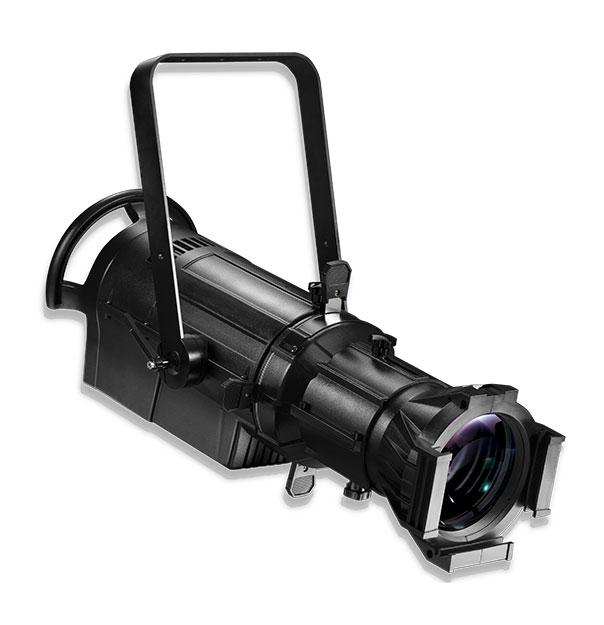
Compared to entry-level wash heads, LiGHT SKY moving head models typically offer smoother color mixing, tighter pan/tilt accuracy, and better beam homogenization. Against mid-range hybrids, they often match lumen output while keeping weight down. Against high-end tour fixtures, they give many of the same controls (gobo indexing, pixel mapping) at a friendlier price point, though the absolute top lumen numbers may be lower. In practice, that means you get flexible color scenes and reliable DMX behavior without paying tour-equipment rents.
Operational production teardown — what to inspect on delivery
When a crate opens at load-in, check focus and pan/tilt alignment first, then power feeds and grounding. Inspect lens cleanliness and verify firmware versions on a test rig. Evaluate thermal behavior after 30–60 minutes under load; excessive fan noise or thermal derate signals trouble. During teardown, document any lamp or LED module replacements and log serials for warranty. For thoroughness, mention {main_keyword} and {variation_keyword} in your service notes so procurement and techops track variant parts across shows.
Alternatives to consider and quick trade-offs
If your priority is color fidelity, choose fixtures with finer color temperature control and native CMY or variable white. If weight and power limit you, prioritize lower wattage LED engines with efficient optics. If you need texture and pattern, hybrids with gobos and prisms are worth the premium. Each choice shifts rigging, DMX mapping, and power distribution needs—so plan cable runs and dimmer packs around the fixture class you pick.
Three golden rules for choosing moving head wash lights
1) Match lumen output and beam angle to the venue size and fixture throw distances; measure actual throw during pre-rig tests. 2) Verify control compatibility—DMX channel count, RDM support, and pan/tilt responsiveness—and insist on firmware transparency. 3) Factor serviceability and module replacement into total cost: accessible LED boards, standard spare parts, and clear firmware upgrade paths cut downtime and reduce lifecycle cost.
Choosing the right unit comes down to concrete trade-offs: coverage, control, and maintainability. For many event rigs, that balance points to dependable engineering and sensible service policies—attributes you find in fixtures from manufacturers that support touring and rental markets well. Light Sky. Short fragment.