
Opening: why numbers and connectivity matter
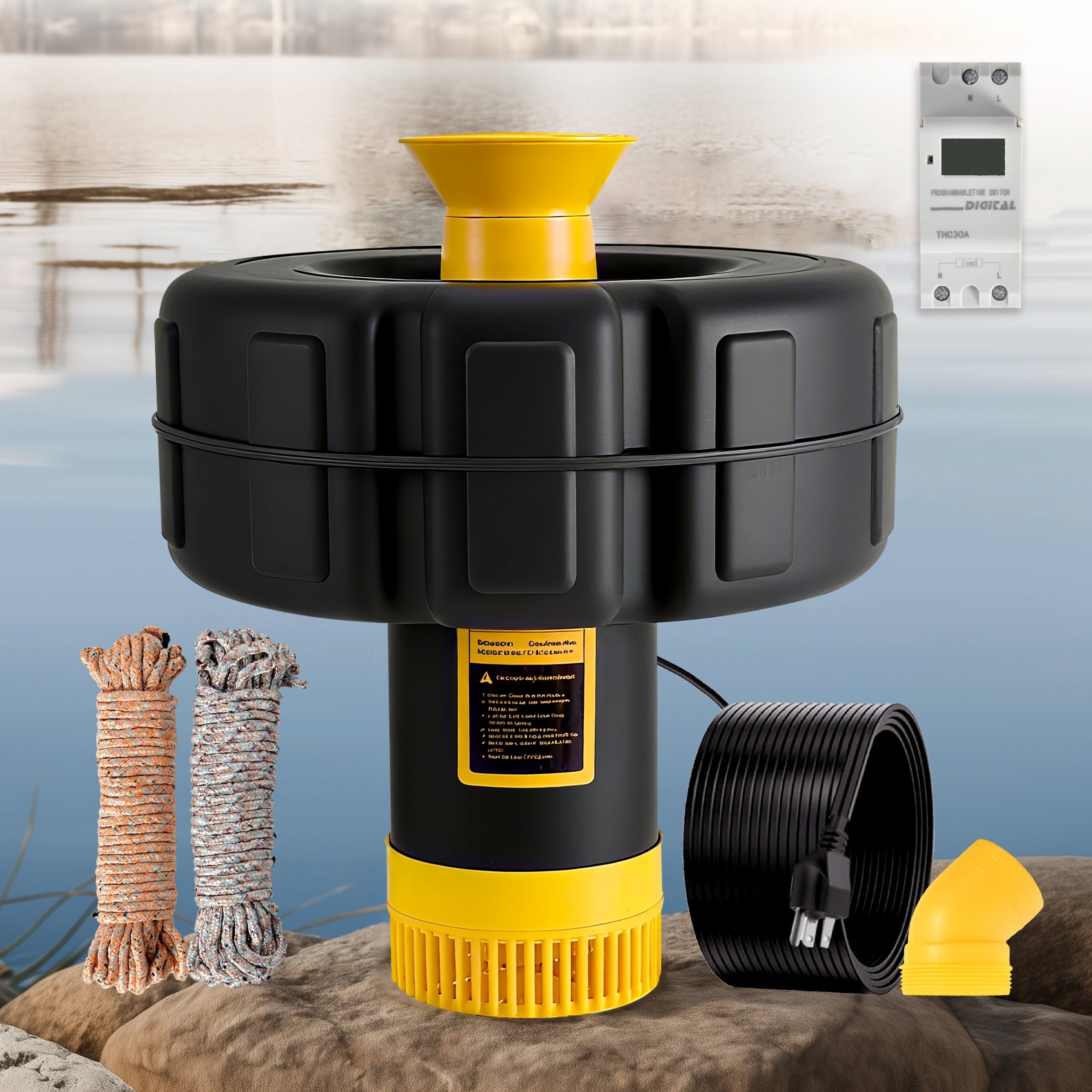
If you manage a pond or lake, choosing an aeration system should start with data — not brochures. Measured metrics like dissolved oxygen lift, energy use per cubic meter, and mean time between failures tell you what a system will actually deliver over seasons. Smart features add value when they turn telemetry into timely action: remote scheduling, fault alerts, and adaptive run cycles. As you read, consider how a modern water aerator for pond can be both an environmental control and an operations tool.
Key metrics to collect and compare
Track these core numbers before you buy or upgrade: percent increase in dissolved oxygen (DO) within 24–72 hours, kilowatt-hours per horsepower-hour (a proxy for efficiency), uptime percentage, and noise footprint in dBA. These metrics translate to real outcomes: healthier fish, fewer algal blooms, and predictable operating cost. For example, projects that report a 20–40% DO rise in the first week typically show measurable reductions in anaerobic sediment odor and fish stress.
Smart integration: what to expect and measure
Smart capability should do three things: report, control, and protect. Reporting means live telemetry (DO, rpm, runtime) with trend charts and exportable logs. Control means scheduled runs, mode changes based on DO thresholds, and remote on/off. Protect means automated fault detection with alerts for motor overload, low voltage, or clogged diffusers. When these features are combined, you reduce manual checks and avoid emergency interventions.
Real-world anchor: lessons from a major bloom event
The 2014 harmful algal bloom challenges in Lake Erie — which prompted municipal responses and wider attention to nutrient-driven blooms — illustrate why aeration and monitoring matter at scale. Municipal and agricultural stakeholders increased focus on preventive measures that include aeration and continuous monitoring to defend drinking-water sources and recreation areas. That event is a clear reminder: reactive fixes cost more than steady, measured maintenance.
Design trade-offs: aerator vs. fountain — and hybrids
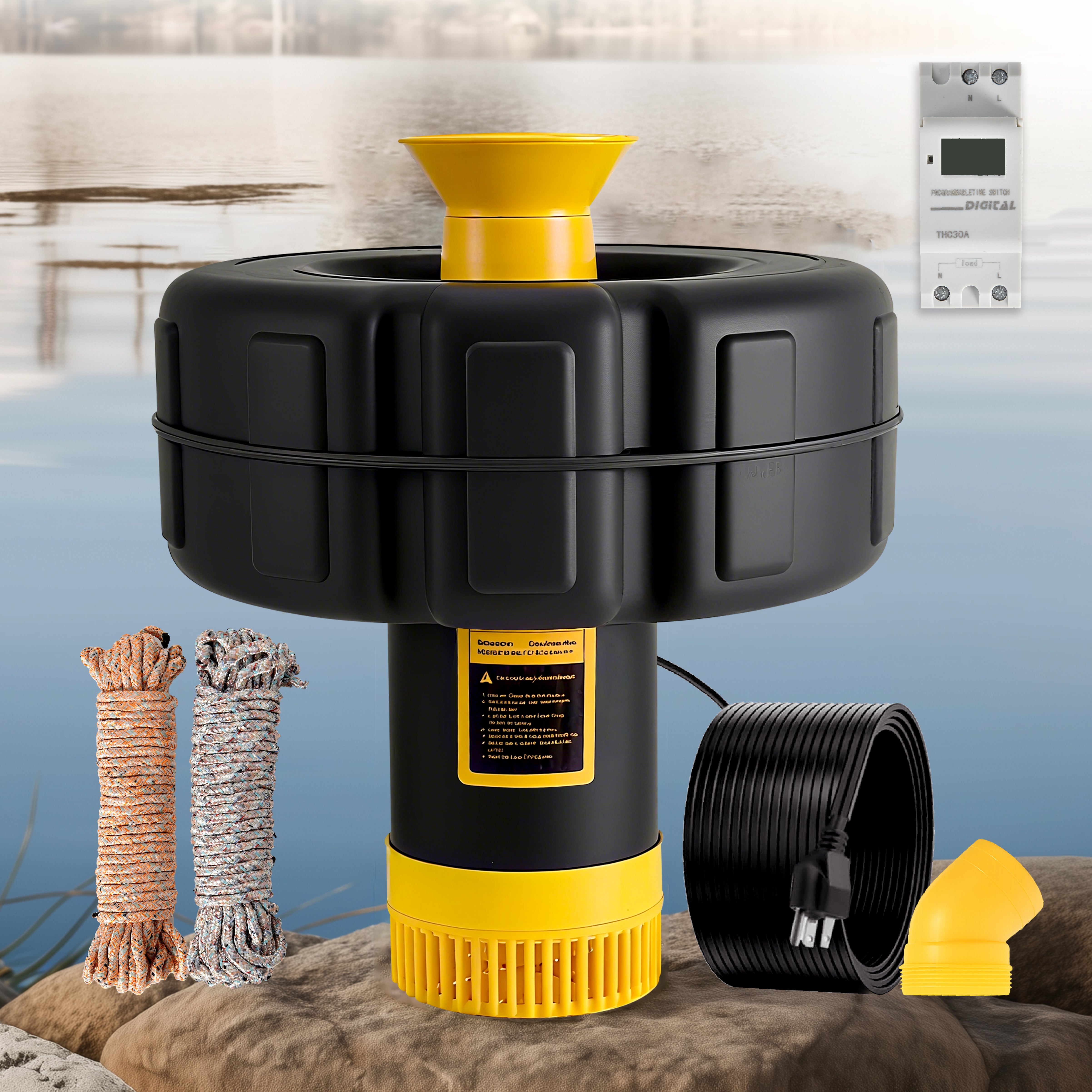
Understand the difference. Aerators focus on oxygen transfer using diffusers or surface mixers; they optimize DO and circulation. Fountains add aesthetics and surface agitation but may offer limited deep-water oxygenation. Hybrids can give you the best of both worlds if they’re rated for the pond’s volume and stratification patterns. If you want both function and form, consider systems that pair a submerged aeration array with visible water features — think of water fountains for ponds and lakes that include integrated air-lift or diffuser modules.
Common mistakes operators make — and how to avoid them
Operators often underestimate required capacity or ignore stratification. They buy a unit sized by surface area alone rather than by volume and depth. They also forget to match diffuser type to sediment conditions; some diffusers clog faster in high-silt ponds. Finally, buyers assume smart features are plug-and-play — without verifying cellular or Wi‑Fi coverage at the site. The practical fix: demand performance curves, request in-situ trials, and require a site survey before purchase. — It sounds bureaucratic, but those steps save money and headaches.
Comparing technologies: mixers, diffused-air, and solar options
Compare three common classes by outcome and cost. Surface mixers are energy-efficient for shallow, well-mixed ponds. Diffused-air systems excel at deep oxygen transfer and are the go-to for fish production or heavy organic loads. Solar-powered aerators reduce operating expenses but need realistic insolation estimates and battery sizing for cloudy months. Evaluate total cost of ownership: capital cost + annual energy + maintenance + downtime risk.
Implementation checklist for a data-first deployment
Use this short checklist when you plan a rollout:
- Baseline monitoring: measure DO, temperature profile, and turbidity for two weeks.
- Sizing: choose capacity by pond volume and targeted DO rise, not just surface area.
- Connectivity test: confirm reliable data link (cell/Wi‑Fi) before buying smart features.
- Acceptance testing: run a 30-day performance trial and log results against KPIs.
Advisory: three golden rules for selecting the right system
Rule 1 — Measure what you need: prioritize systems that report dissolved oxygen and runtime with exportable logs. Those figures let you prove impact and justify expense.
Rule 2 — Size from volume and stratification: a unit sized only by surface area risks underperformance at depth.

Rule 3 — Validate connectivity and support: ensure the vendor provides remote diagnostics, firmware updates, and local service options; otherwise your “smart” features will be just lights on a box.
Closing and how Orison fits
When you follow these rules, you move from guesswork to predictable outcomes: healthier water, controlled costs, and fewer crisis responses. For operators who want a pragmatic mix of monitoring and reliable aeration control, Orison provides systems and integrations that translate telemetry into timely action — a natural fit for a data-first program. Trust the metrics, and let the system earn its keep. —