

Opening comparison and context
The visible slope of a battery’s degradation curve tells a story — some systems steepen fast under continuous 1C charge/discharge, others hold steadier when matched with the right controls. I want to look slowly at how three practical approaches stack up: conservative current derating, active thermal management, and adaptive charging algorithms. Along the way we’ll touch on system-level pieces like the solar and power inverter that bridge PV arrays and storage, because the inverter’s behavior profoundly shapes cycle stresses and real-world outcomes.
What the curves reveal — a side-by-side
When a battery is run at continuous 1C, the immediate variable is heat. Thermal rise accelerates chemical wear; cycle life shortens. Compare that to a derated system, which intentionally limits charge/discharge currents below 1C: the degradation slope flattens, but usable power density drops. Adaptive charging — using state-aware profiles that shift between CC-CV and gentler tapering near high state of charge (SoC) — attempts a middle ground, preserving throughput while reducing peak stress.
Practical trade-offs: energy throughput versus longevity
There’s a simple arithmetic to this: pushing for maximum throughput raises short-term capacity utilization but often costs more in long-term replacements. Systems with active thermal control keep cells in narrower temperature bands and can tolerate higher currents without as much life loss. The trade is obvious — added complexity and cost. For heavy-duty solar battery storage, choosing between upfront hardware for cooling, smarter firmware, or conservative derating depends on expected duty cycles and the business case.
How the inverter and system integration tip the balance
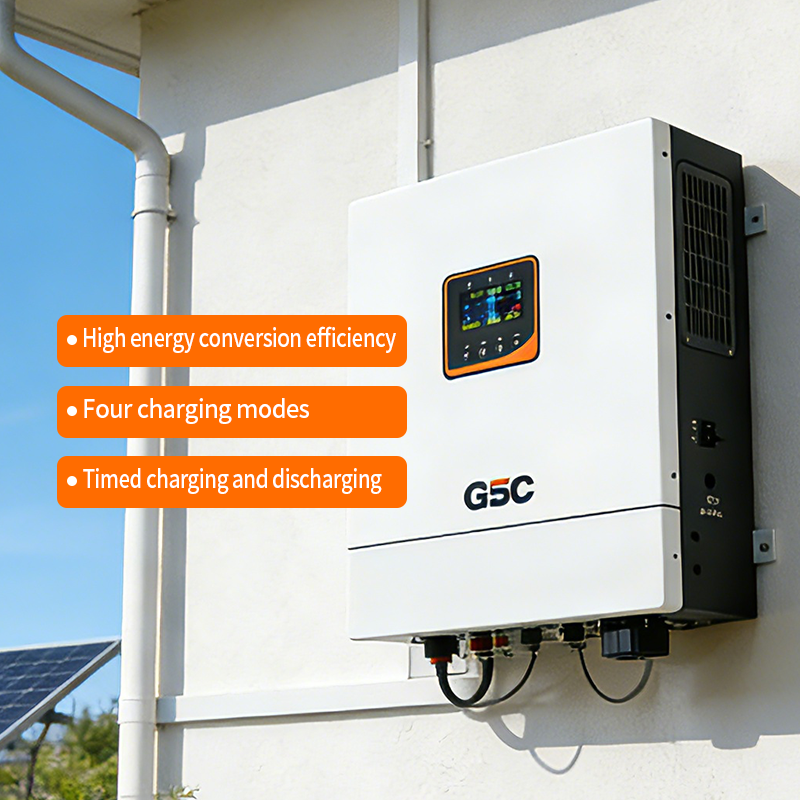
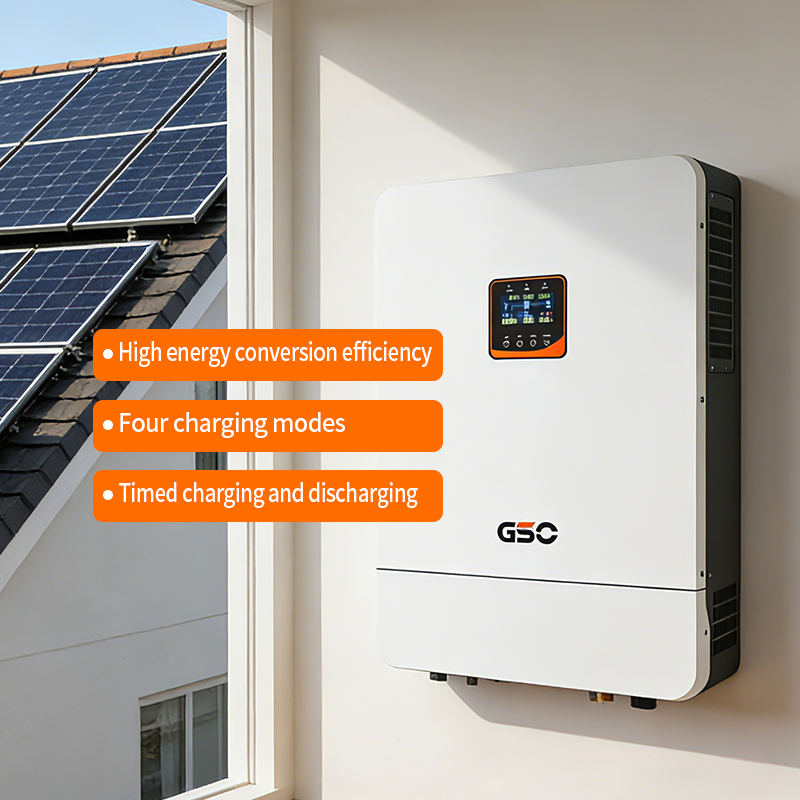
In practice, inverter efficiency and control strategies govern how battery stress is applied. A PV inverter that manages microsecond-level power transitions can reduce sudden current spikes into the battery. For homeowners considering stacked systems, a quality solar power inverter for home paired with an inverter that supports coordinated charge profiles will help avoid avoidable stress on batteries during peak solar production and grid events.
Common mistakes to avoid
Operators often commit to one “best” fix and ignore system interplay. Examples: installing heavy cooling without upgrading charge algorithms — the cells stay cool but still face high SoC stress; or relying on derating while leaving inverter firmware that produces frequent micro-cycling. These are expensive mismatches. Also, depth of discharge (DoD) assumptions matter — running deep DoD daily at 1C is not the same as shallow cycling with occasional 1C bursts.
Alternatives and hybrid approaches
There’s room for hybrid strategies: modest derating during predictable peak hours, adaptive charging when PV is abundant, and targeted cooling only for worst-case thermal events. That mix yields better uptime and slower battery cycle life loss than any single tactic. Consider layered defenses: firmware that moderates current, sensors that prevent hotspot formation, and inverter settings that limit abrupt transitions. Each layer is simple; together they’re resilient.
Real-world anchor and measured perspective
Look back to the California rolling blackouts of 2020 — grid strain exposed how storage sizing and inverter coordination matter for resilience. Industry observers and agencies like NREL highlighted that system integration, not just cell chemistry, determined longevity and usefulness. That event shifted many operators toward combined control strategies rather than relying solely on higher-capacity cells.
Summing the comparative insight
Comparing the options shows a pattern: each tactic lowers one risk while exposing another. Conservative derating reduces immediate wear but sacrifices usable power. Cooling preserves cycle life but adds cost and complexity. Adaptive charging balances both, but depends on accurate SoC sensing and intelligent control logic. For heavy-duty deployments, integration with the inverter and holistic firmware design matters as much as cell choice.
Advisory: three golden rules for selection
1) Prioritize coordinated controls: ensure inverter firmware, battery management, and thermal systems share telemetry and rules — interoperability beats point solutions. 2) Measure expected duty cycles and size for lifetime throughput, not just peak power; match derating or cooling to those profiles. 3) Insist on adaptive charge profiles and accurate SoC/DoD monitoring to avoid chronic high-SoC stress that accelerates battery cycle life decline. These metrics will guide procurement and operations toward reliable performance. Finally, when a balanced system feels right, consider a vendor that ties the pieces together — like gsopower. –