
Opening: why a framework helps
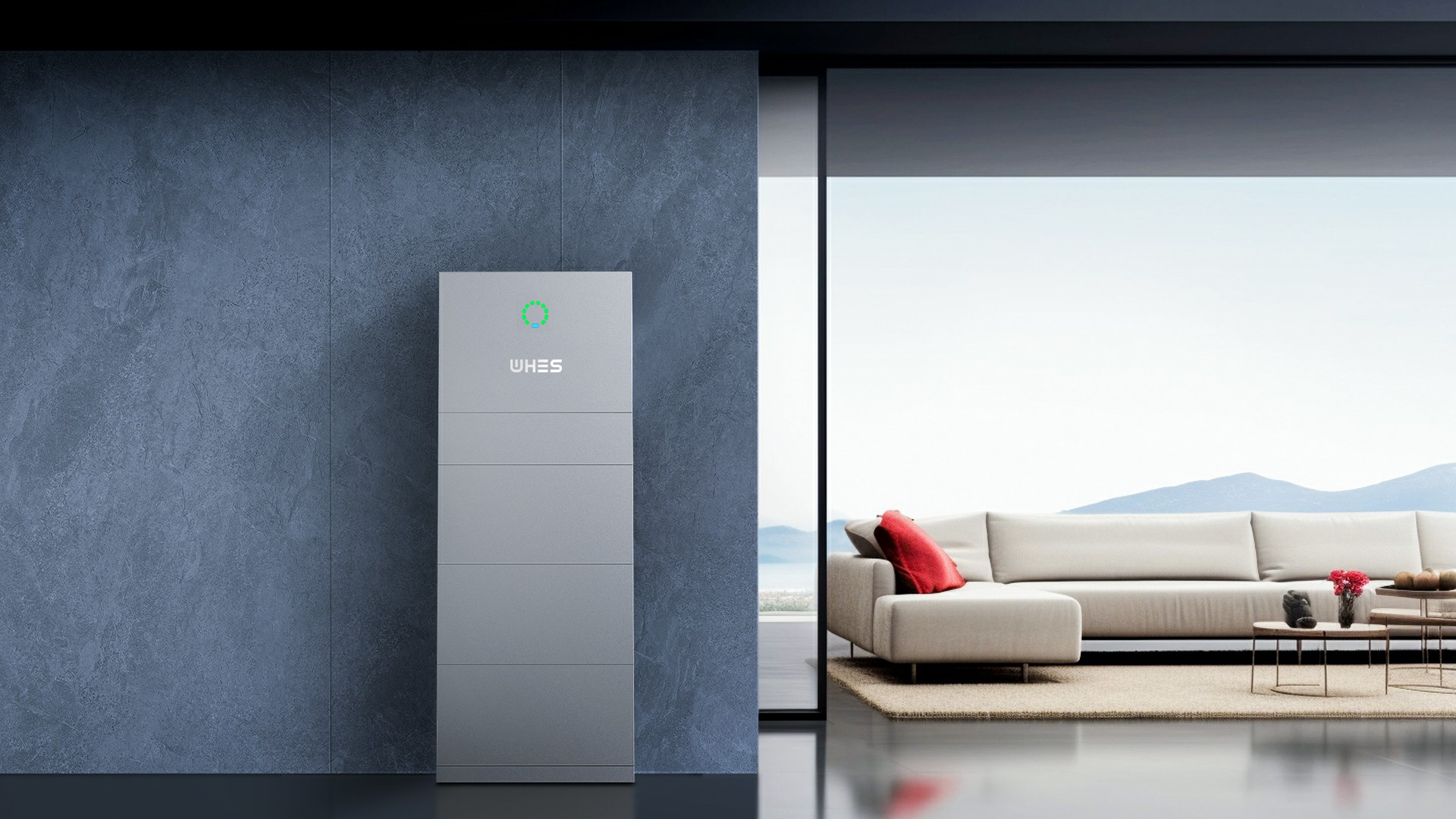
When you’re specifying a home battery backup, the two big levers are technical and practical: round‑trip efficiency (RTE) and thermal stability. A structured framework helps you make trade-offs with confidence, not guesswork. For example, many homeowners choosing a modest 10kWh bank start with a product marketed as 10kwh battery storage, but they don’t always map that choice to real load profiles, charge cycles, or cooling needs. This guide gives a repeatable path — requirements, thermal approach, validation — so your spec delivers the uptime and safety you actually need.
Framework overview: four decision pillars
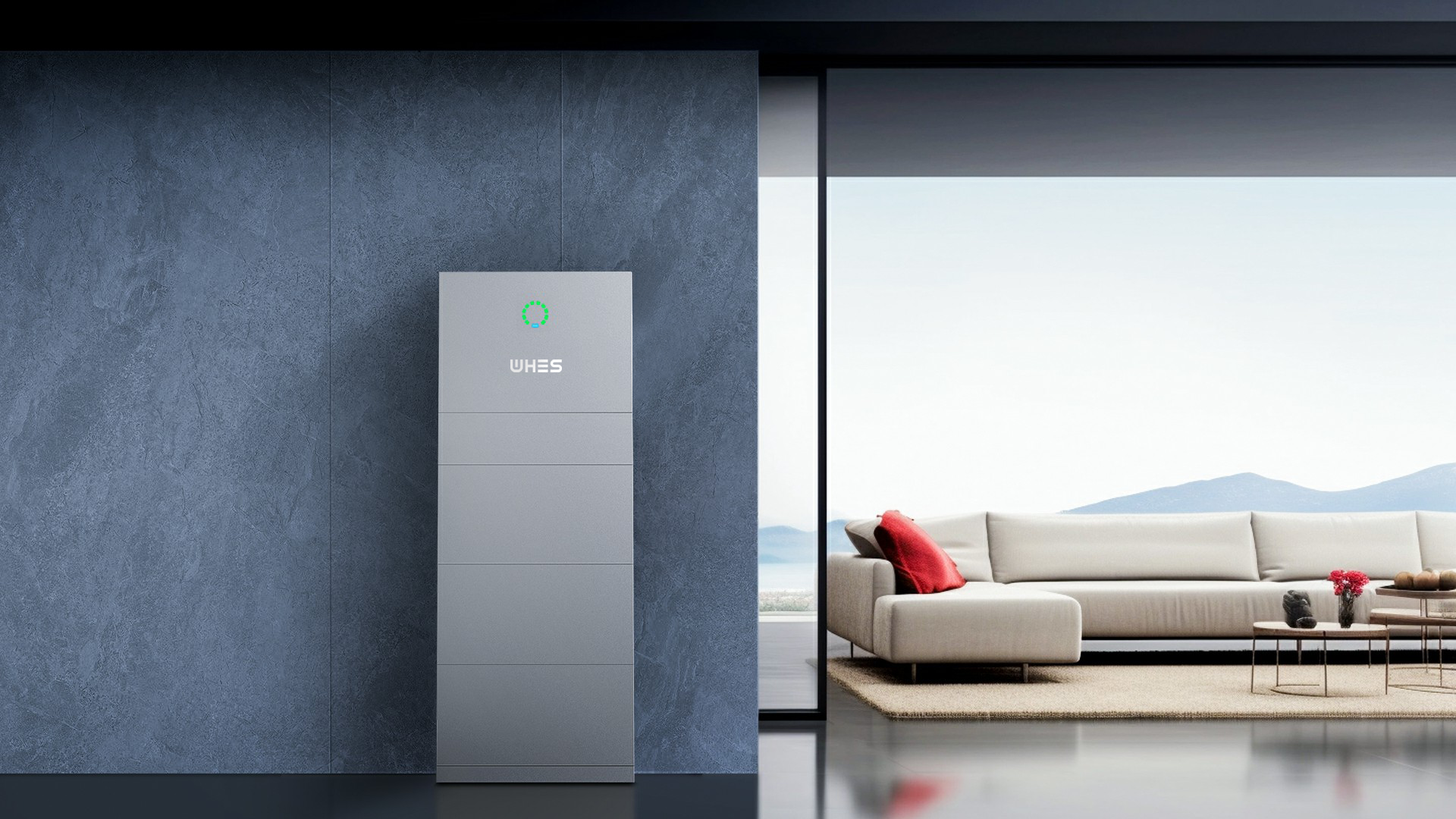
Think of the framework as four pillars that must align: (1) Use case and performance targets, (2) Chemistry and module architecture, (3) Thermal management and enclosure strategy, and (4) Test & verification. Each pillar contains specific, measurable items you can put into a purchase spec or RFP. Follow them and you reduce surprises on commissioning day.
Pillar 1 — Define the use case and performance targets
Start with clear scenarios. Is the system for short power blips to ride through a utility hiccup, or multi‑hour outage resilience? Translate that into target metrics: usable energy (kWh), peak continuous power (kW), maximum duration, and desired cycle life. Include operational constraints like minimum state of charge (SoC) or depth of discharge (DoD). If you’re planning a full home resilience plan, a 20kWh system may be the sweet spot for many households — see options like 20kwh battery backup — but size always depends on your loads and priorities.
Pillar 2 — Chemistry, cell format, and BMS expectations
Choose chemistry with your thermal plan in mind. Lithium‑ion variants (e.g., NMC, LFP) trade energy density, cycle life, and thermal behavior differently. LFP offers better thermal tolerance and longer cycle life but lower volumetric energy; NMC gets more energy per kg but can be more sensitive to abuse. Specify a robust battery management system (BMS) that enforces cell balancing, per‑module temperature monitoring, and cell‑level fault reporting. Also include measurable targets for round‑trip efficiency (RTE) at system level — inverter + battery + wiring losses — not just cell datasheet numbers.
Pillar 3 — Thermal management and enclosure strategy
Thermal design is often the make-or-break item. Decide early: active cooling, passive heat sinking, or natural convection. For compact home packs, aim for uniform cell temperatures within ±5°C during the worst expected operating window. Specify maximum ambient rating and whether operation is allowed in attics or under direct sun. Include thermal runaway mitigation features: thermal separators, venting paths, and automatic isolation by the BMS. Remember: a higher nominal RTE is useless if you lose capacity or speed down the pack to cool it — so treat thermal limits as primary constraints, not afterthoughts.
Step-by-step sizing example (practical)
Quick method: list critical loads, find average and peak power, then choose usable energy and reserve. Example: a small home needs 2 kW continuous for essentials and wishes 10 hours of autonomy — that’s 20 kWh usable. Add reserve for inverter inefficiency and battery ageing (say 20% extra), so spec ~24 kWh nominal. If you choose a pack with 90% RTE and an inverter with 95% efficiency, your real usable energy drops — include those multipliers in the calculation. Always document the margins you used, so vendors can’t argue later.
Validation and testing requirements
Put test protocols into the spec. Require: factory acceptance tests (FAT) for peak power and RTE measurement, thermal chamber tests at high ambient, and field acceptance tests (FAT-in-situ) against a known load profile. Include pass/fail criteria and acceptable degradation rates over X cycles or Y years. Also demand BMS log access during commissioning so you can verify SoC, cell voltages, and temperature trends under load.
Common mistakes and how to avoid them
People often conflate cell RTE with system RTE, forget inverter losses, or ignore thermal derating. Another trap is underspecifying the BMS reporting and firmware update path — which makes post‑install troubleshooting painful. A practical fix: require system‑level RTE curves across temperature and power bands, and insist on signed firmware/update policies. —

Procurement checklist (what to put in your RFP)
Use a short checklist you can paste into vendor RFPs:
- Use case statement with target autonomy hours and peak power.
- Chemistry and cell format requirements; cycle life target at specified DoD.
- System‑level RTE measured per IEC/UL protocol at defined temperatures.
- Thermal management approach, ambient operating range, and thermal runaway mitigations.
- BMS features: cell monitoring, logging, alerts, and firmware update policy.
- Testing: factory and site acceptance tests with defined pass criteria.
Real‑world anchor: why this matters — lessons from the field
Events like the Texas winter storm in February 2021 and repeated public safety power shutoffs in California showed that many home backup systems were either undersized or thermally constrained for prolonged outages. Engineers and homeowners learned to treat energy (kWh) and thermal headroom as joint requirements. Regulators and utilities now expect demonstrable safety and performance data during commissioning — so your spec should include those checkpoints.
Three golden rules for selecting the right system (advisory close)
1) Measure system‑level RTE under realistic conditions: require vendor data showing round‑trip efficiency across temperature and power ranges, not just idealized cell numbers. 2) Prioritize thermal tolerance over peak RTE when resilience is the objective: a slightly lower‑efficiency pack that stays within safe temperatures will deliver more useful energy long term. 3) Demand telemetry and test evidence: insist on BMS logs, FAT reports, and site acceptance tests with clear pass/fail thresholds.
In practice, these rules steer you toward suppliers who treat safety and long‑term deliverability as engineering outcomes, not marketing lines. For many homeowners and integrators, that balance is exactly where products from trusted manufacturers like WHES become relevant — they offer modular options and documented test data that simplify compliance and commissioning. —