
Introduction — a quiet question in the shop
Have you ever stood by a workbench and wondered why the parts that should fit perfectly still need adjustment? I have — more than once — and that pause often tells a bigger story. In my time around small shops and larger floors, the CNC turning and milling machine sits at the center of that story: it’s where design intent meets metal and where tolerances get real (sometimes painfully so).
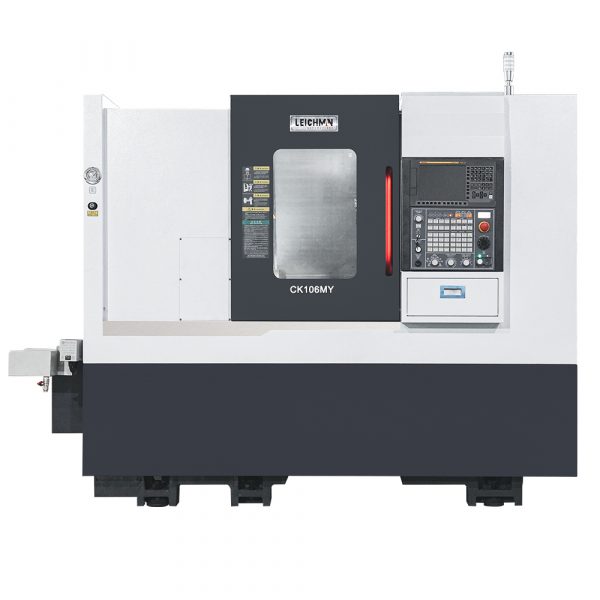
Here’s a scene: a two-person shop running three shifts, two older machines, and one frantic day where downtime eats 14% of output. I looked at the logs, the spindle history, the chatter marks — and asked myself, what really limits daily performance? Is it the hardware, the tooling choices, or the way we plan work? These details matter because they shape profitability, lead time, and pride in craft.
So: how do we move from firefighting to steady progress? This piece walks through the deeper frictions with a calm, practical eye — and I’ll share what I’ve learned, no jargon padding, just honest takeaways. Next, I’ll dig into where common solutions fail, and why that matters for your shop’s rhythm.
Technical Breakdown: Why common fixes fall short
cnc milling and cnc turning should solve precision work—yet shops still wrestle with part inconsistency and unplanned stops. Let’s be explicit: the typical quick fixes (more coolant, fresher inserts, tighter fixturing) help, but they rarely attack root causes like thermal drift, tool deflection, or poor CNC controller tuning. I’ll unpack two core trouble spots in plain terms.
What’s the real problem?
First, thermal effects. Machines heat up, parts expand, and spindle speed or cutting torque changes the work without anyone noticing. Second, process mismatch: people try to run the same program across different materials or setups and expect identical results. That won’t happen unless you account for tool turret position, feed rates, and cutting forces.
Look, it’s simpler than you think — but only if you measure the right things. We often miss the subtleties: vibration spectra, servo response curves, even the way coolant flow varies by season. Modern diagnostics like edge computing nodes can help by moving sensor data to a local processor for real-time correction. Power converters and spindle speed controllers deserve attention too; cheap replacements can mask problems but rarely fix them. — funny how that works, right?
Future Outlook: How new approaches change daily work
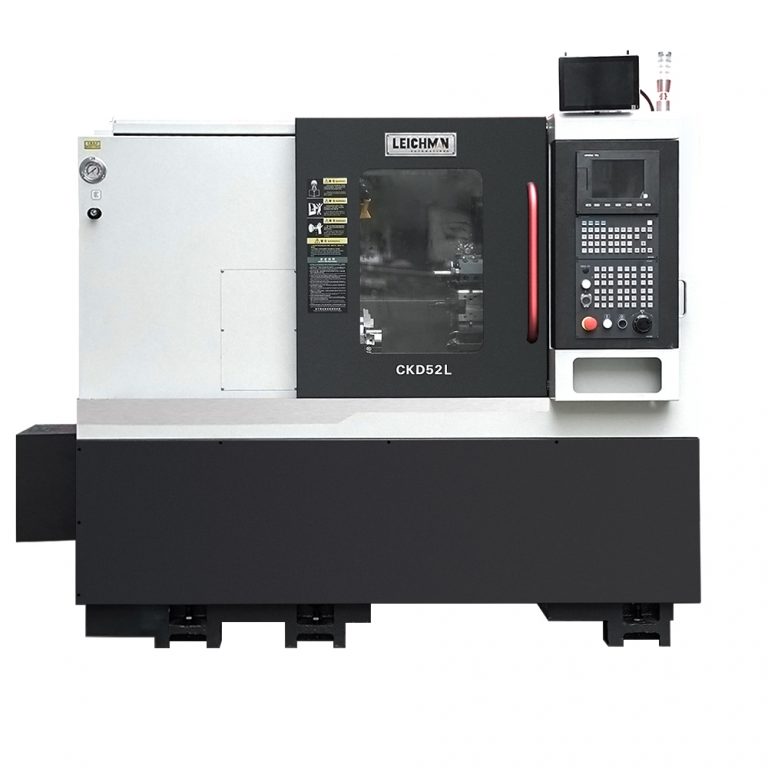
Moving forward, I see two practical paths: smarter integration and better service models. For shops that want measurable gains, the blend of adaptive control, predictive maintenance, and clearer service SLAs will matter most. Using cnc lathe machining services as one example, vendors that combine tool-path optimization with live feedback deliver fewer rejects and smoother throughput.
Real-world impact?
In one case I followed, a shop swapped old control logic for a system that adjusted feed rates dynamically based on vibration and spindle load. Result: scrap dropped by nearly 30% and setup time fell. That’s the kind of outcome we can expect when the machine learns to adapt, not just repeat. The future isn’t magic — it’s better sensing, smarter algorithms, and service teams that talk plainly about cycle time, spindle wear, and tool turret alignment.
We should evaluate new options not by shiny specs but by three clear metrics: uptime improvement, dimensional consistency, and cost per finished part. Those numbers tell the true story. If you weigh those factors, you’ll find solutions that fit your workflow instead of forcing you to change everything. — and yes, I’ve seen vendors and shops get it right by keeping the conversation focused on measurable results.
Closing: practical metrics and a human note
We’ve talked about the everyday frictions around CNC turning and milling machines, the technical reasons common fixes fail, and a practical look ahead. I’ll leave you with three evaluation metrics I use when choosing or recommending systems: 1) Predictable uptime (target a measurable improvement), 2) Repeatability under load (how stable are dimensions after long runs?), and 3) True cost per part (include tooling and energy). These metrics cut through vendor marketing and help you decide with confidence.
I don’t promise quick miracles. But I do believe steady, measurable changes add up — and they restore the joy of making things that fit on the first try. If you want partners who speak plainly and stand behind outcomes, consider practical sources and proven models like Leichman. I’ll be watching what shops try next — and I’m optimistic. We learn. We adjust. We make better parts.