
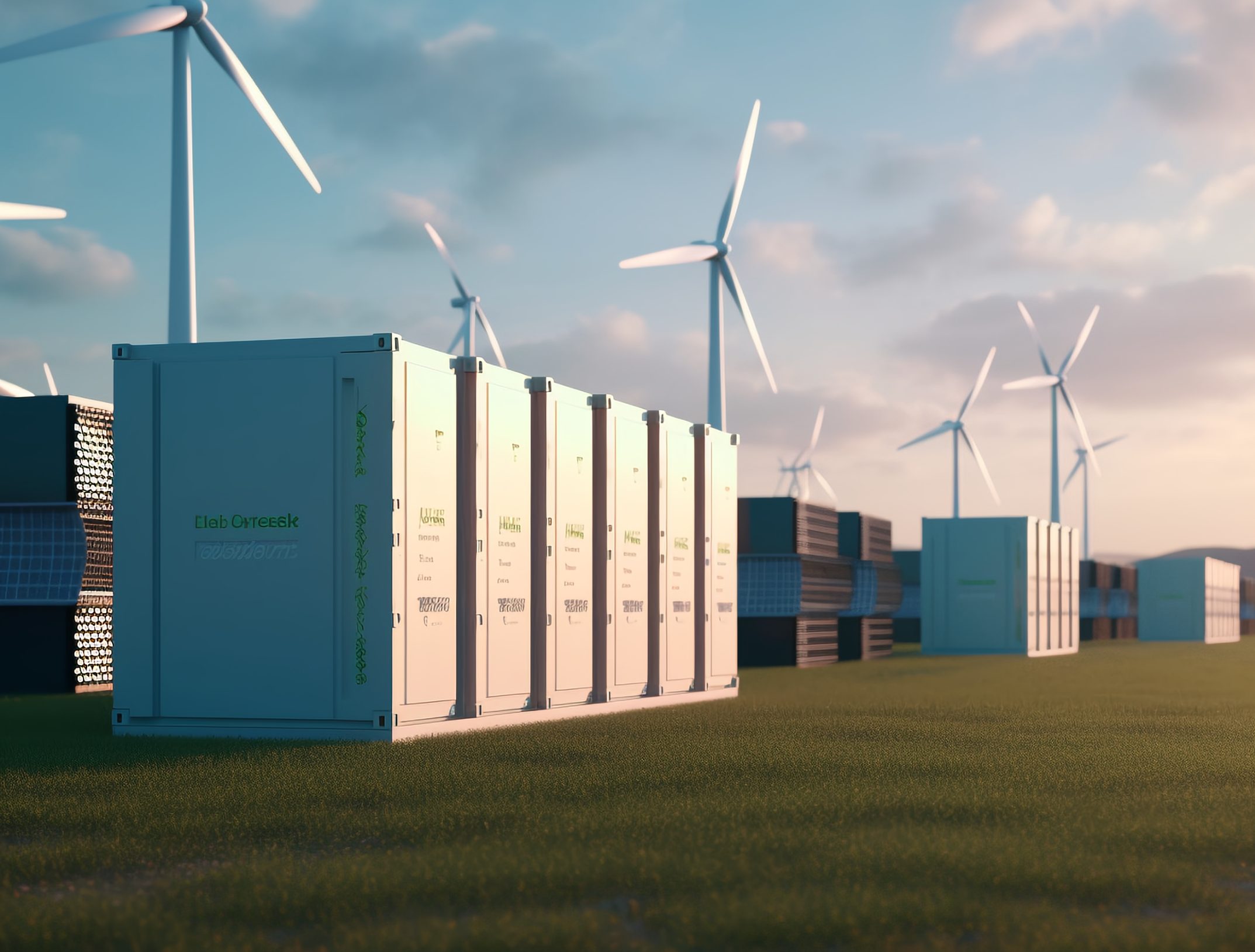
A Streetlight, A Blackout, A Choice
I watched a small shop close early after a sudden outage, then flicker back to life from a humming diesel. An energy storage system could have kept it quiet and clean. The numbers are big: power cuts still cost businesses billions each year, and battery prices have dropped fast in the last decade. But here’s the twist—does buying more kilowatt-hours solve your real problem, au sio? Picture a night market, lights bright, phones charging, sales flowing; now picture the same place dark for two hours a week. Which loss hurts more, and why?
We like specs. Capacity. Power. Cycle life. Yet daily life runs on reliability, not just ratings. Inverters and BMS can be heroes—or headaches—depending on how they match your loads. So the big question is simple: what should you compare to make a fair choice that fits your routine, your tariffs, your weather? (Pole pole, we’ll break it down.) Let’s move from the story to the substance.
Hidden Pain Points You Don’t See on the Spec Sheet
Where do costs really bite?
When people shop for a battery storage system, they chase the headline: big capacity, low price per kWh. Look, it’s simpler than you think: many losses hide in use, not in purchase. Demand charges spike when your inverter response is slow, even if your pack is huge—funny how that works, right? Round-trip efficiency changes with temperature, so your “95%” on paper might feel like “85%” during hot afternoons. A strict BMS may cut discharge early to protect cells, lowering available state of charge during peak time. And power converters sized too small can throttle tools and fridges, forcing the grid to cover the gap and raise your bill.
Then there’s time. Firmware updates, fault codes, and callouts cost you hours. If a system lacks clear logs or a good SoH trend, you chase ghosts. Microgrid transitions can stutter if your inverter isn’t tuned for fast transfer, and sensitive loads complain. Noise matters too; fan-heavy racks hum through quiet shops at night. Finally, warranties often hide behind fine print on cycles, depth-of-discharge, and ambient heat. You plan for ten years; a hot room takes two off the top. The pain isn’t only “battery dying”—it’s ripple effects across uptime, tariffs, and comfort.
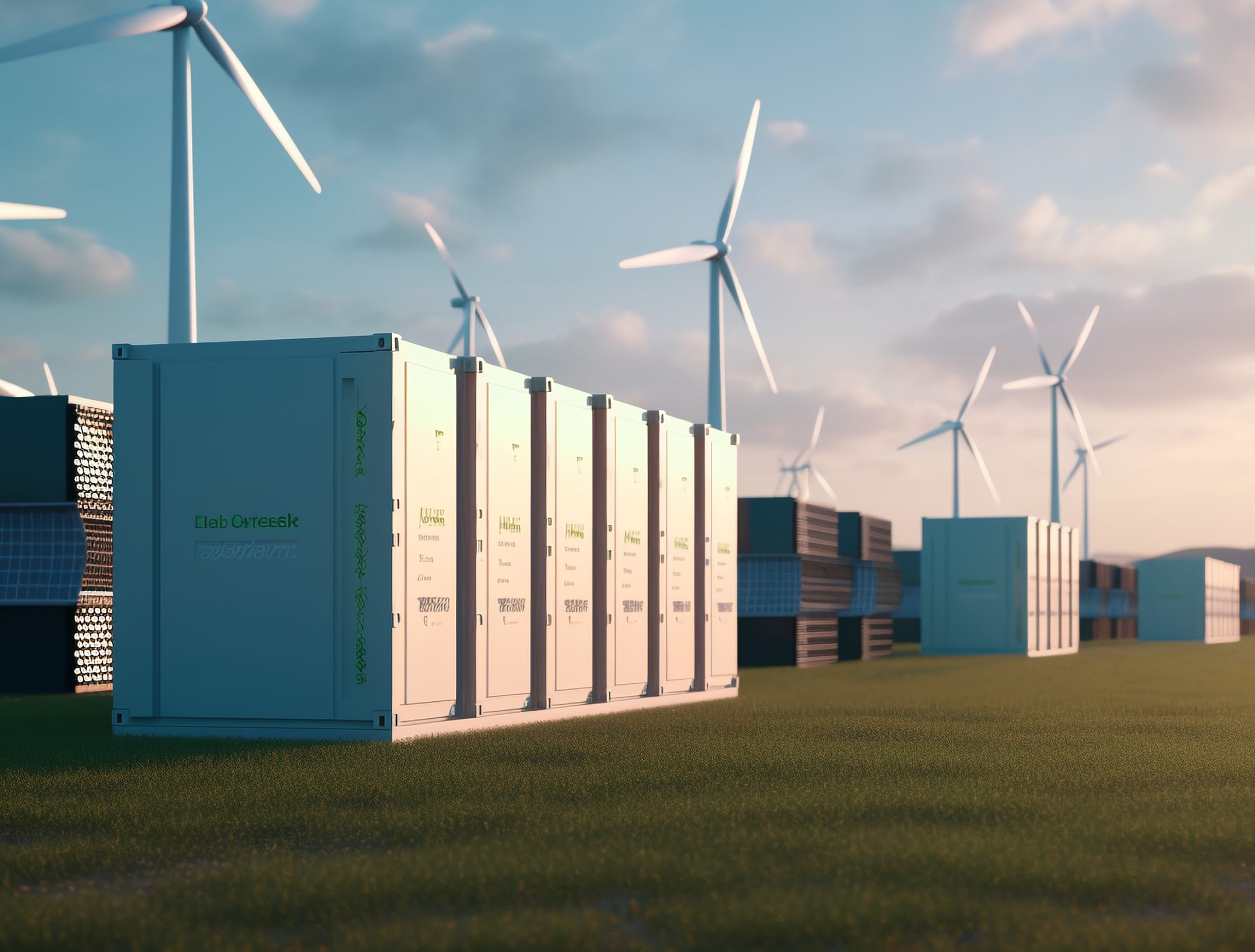
Comparative Insight: Principles Driving the Next Wave
What’s Next
From Part 2 we learned that “more kWh” is not the whole cure; it’s how energy flows in time. The next wave fixes that with control—smarter brains, not just bigger packs. New predictive control uses weather, tariffs, and load patterns to plan tomorrow’s charge window. Edge computing nodes sit near the inverter to cut latency, so switchover feels instant. Hybrid inverters blend solar and storage on one bus, reducing conversion steps and boosting practical round-trip efficiency. And thermal models now shift fan curves with real heat maps, protecting cells without loud nights. Compared side by side, the same nominal size can deliver very different outcomes—small change, big result.
Add chemistry and you get another jump. Solid-state cells promise tighter safety envelopes, while advanced LFP keeps cost steady with strong cycle life. In a well-tuned battery storage system, the BMS talks to the tariff engine and your appliances. It knows your freezer’s surge, your pump’s start, your evening TV time. That coordination turns “spec power” into “felt power.” The lesson so far: compare control strategy, not just capacity; compare response time, not just peak power; compare real uptime, not just warranty years. Different brands will look close on paper, yet diverge in living rooms and shop floors.
To choose well, use three clear metrics. 1) Dispatch fidelity: measure how closely the system follows a target profile during a week of mixed loads and grid events. 2) Practical efficiency: track delivered kWh to loads versus grid input across hot and cool days, not just lab numbers. 3) Resilience time: count seconds to transfer and minutes sustained under worst-case surges. With those three, you cut through the noise and see value as you live it. Keep it steady, stay curious, and build for tomorrow with the right partner in mind—like LEAD.