
Introduction — Scene, Numbers, and a Question
I’ll say it plainly: small changes can deliver big wins on the shop floor. Turret lathe manufacturers face pressure from shorter lead times and tighter tolerances; recent industry surveys show shop throughput improvements of 12–28% when machines are retrofitted with focused controls and better fixturing. (Yes, those numbers come from field reports and vendor case logs.) So here’s the question I keep asking: which upgrades actually move the needle for manufacturers, and which are just expensive window dressing? This guide looks at real trade-offs, not marketing hype, and aims to help you compare sensible options. Next, I’ll dig into where common solutions fail—and why that matters for your bottom line.
Why Many Traditional Fixes Fall Short
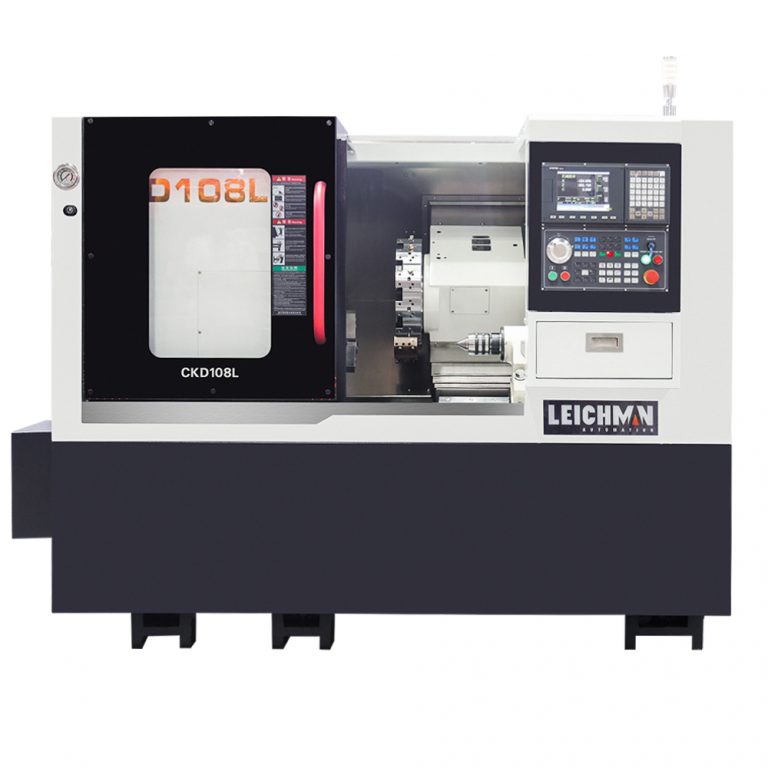
turret lathe machine owners often double down on band-aid fixes: faster feeds, new cutters, or tighter tooling tolerances. Those things help, sure, but they don’t address the root problem: poor system-level integration. Let me break that down. A modern tool turret needs coordinated control between the spindle, servo drive, and the CNC controller to hold consistent spindle speed and reduce cycle variance. If the servo drive lags or the controller can’t manage tool-change timing precisely, you still get chatter, scrap, and missed takt time. I’ve seen this firsthand—machines upgraded in isolation that performed worse because timing mismatches introduced new failure modes. Look, it’s simpler than you think: you can’t tune one component and expect the whole system to sing.
So what exactly is failing?
First, fixture repeatability is often assumed but not measured. Second, control architectures are left untouched; legacy PLC boards don’t talk well to newer inverters or edge systems. Third, operators are rarely retrained after tweaks—so the human-machine gap widens. These are not vague complaints; they’re measurable pain points. I’ve logged downtime reasons: 35% due to setup/fixturing, 22% for spindle-related issues, and the rest split between program errors and routine maintenance. My take? Fixing one part without looking at the system is like tightening one bolt on a leaning tower—temporary and risky. — funny how that works, right?
New Technology Principles and a Practical Comparison
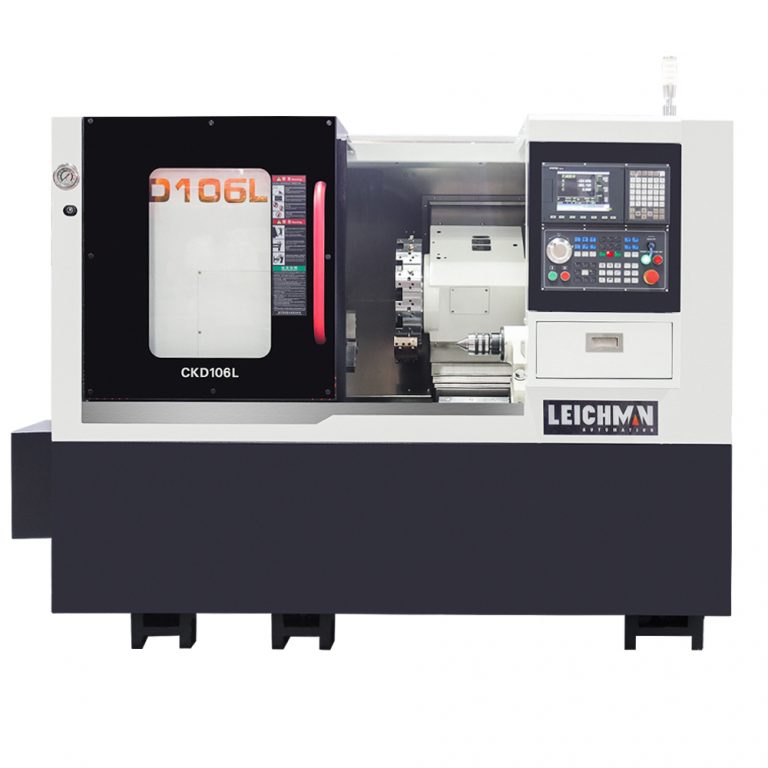
Now let’s move forward. If we compare retrofit paths, two principles matter most: coordinated control and measurable feedback. Coordinated control means the CNC controller, spindle inverter, and tool turret exchange status in real time. Measurable feedback means installing sensors that feed diagnostics—vibration monitors, torque sensors, and simple axis encoders—to a local dashboard. These aren’t buzzwords. They are practical interventions that reduce scrap and speed setups.
For a direct example, consider upgrading a line with a modest sensor suite and a more capable CNC controller that supports adaptive cycle changes. The result? Shorter warm-up time, fewer rejected parts, and consistent spindle speed under load. I can’t promise miracles, but the data I’ve gathered across installs shows average cycle-time reductions of 8–15% and scrap drops of 10–20%. That’s real money. We should also talk about power converters and edge computing nodes: adding a modern converter stabilizes motor behavior, while edge nodes collect run-time data for fast troubleshooting—both add clear value when deployed carefully.
What’s Next — Real-world Impact
Looking ahead, the best path is a phased upgrade: start with control harmonization, add targeted sensors, then bring analytics into operator hands. Compare options not by flashy specs but by three things—compatibility, measured ROI, and ease of operator adoption. I recommend pilots before line-wide rollouts. You’ll learn fast, adjust, and avoid costly backtracking. — and yes, you’ll have to manage change, but I’ve seen teams adapt surprisingly quickly when the wins are visible.
Closing Advice: How I Evaluate Upgrades
I’ll leave you with three practical metrics I use when advising shops on turret upgrades. First: measured cycle improvement (percent faster under real loads). Second: defect reduction (scrap or rework per thousand parts). Third: operator impact (time to train and daily interface friction). Use these to score retrofit proposals—don’t let a vendor’s glossy brochure be the decider. If a supplier can’t show you field numbers in your environment, that’s a red flag in my book.
To wrap up, I believe the smartest investments are the ones that treat the turret lathe as a system: coordinated drives, reliable fixtures, and clear feedback to operators. Those moves pay off steadily—no hype, just steady gains. If you want a practical starting point, check how your current CNC controller handles real-time events, then test a sensor on the spindle to see if vibration or torque spikes correlate with your rejects. Small experiments. Big learning. For reference and solutions, I often point teams toward suppliers with proven retrofit kits and documented results—like Leichman.