
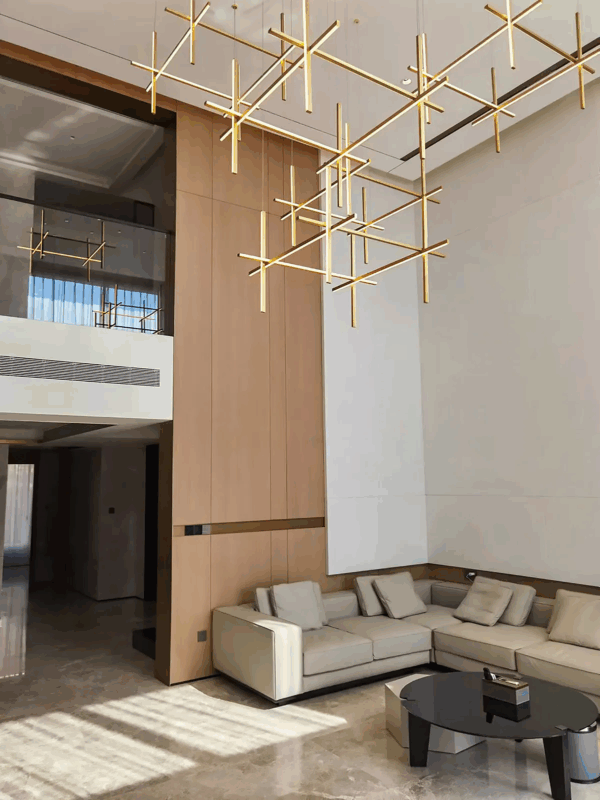
Two Lobbies, One Decision
Picture this: two hotel lobbies on the same block, both chasing the same warm welcome. A decorative light supplier sits behind each scheme, shaping not only the look but also the schedule and spend. One team chooses a direct route with a China led lights manufacturer; the other layers distributors and sub-contracts (more hands, more steps). Sector reports suggest that up to a third of fit-out delays trace back to procurement friction, while efficient constant-current drivers can trim lighting energy by a fifth. So, which path truly serves guests better over a year? And how does that choice reveal itself in uptime, colour quality, and peace of mind?
I put it plainly: the decision affects more than lamps and louvers. It touches CRI consistency, thermal management, and the odds of a snag on site. The question is not “Which looks nicer?” but “Which holds spec under pressure?” Let’s move from the surface to the workings beneath, and see where hidden trade-offs live.
Beneath the Glow: The Pains You Don’t See
What keeps projects lagging behind?
Hidden pain often starts where drawings end. Drivers mismatch LED boards. PWM dimming behaves at 10% but flickers at 2%. Optics drift from the submittal photometrics once the heat sink warms, and CRI slips in warmer scenes. IP ratings are quoted, yet gaskets and cable glands vary by batch—funny how that works, right? Look, it’s simpler than you think: if constant-current drivers, thermal paths, and optics are not tuned as one system, your “approved equal” becomes a gamble. The outcome is clear enough on site: patchy dimming curves, noisy transformers, and small but costly rework.

Then there’s the operational grind. Lead times expand because accessories and power converters ship from different bins. Mounting plates arrive without the right screws for legacy junction boxes. DMX control notes are vague, so addressing takes a night shift. Surge protection is an afterthought; the first storm writes the snag list. Returns? Slow, because paperwork outruns pallets. A direct partner who treats bill of materials, testing, and packing as a single chain reduces these misses. Not by magic, but by designing for assembly and service from the start.
From Spec Sheets to Systems: A Forward Look
What’s Next
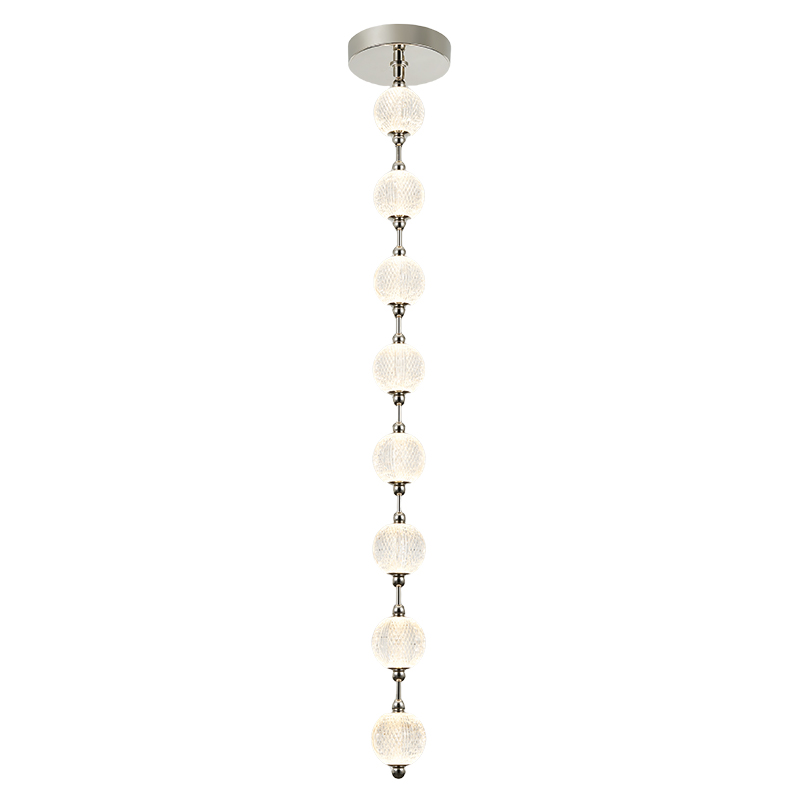
The next wave starts inside the luminaire. Edge computing nodes now sit near the LEDs, reading temperature and adjusting current to keep colour and output steady. Firmware logs burn time and switching cycles for real asset data—no guesswork. With PoE or low-voltage backbones, fixtures report their own status, and faults are found before guests ever notice. In decorative moments like decorative pendant lighting , modular light engines and quick-connect canopies allow a swap in minutes—not hours. Compare this with the old way: discrete parts from mixed brands, no telemetry, and manual fault-finding. The newer principle is simple: design the luminaire as a managed system, not a pretty shell around parts—and yes, it shows on site.
As you weigh options, keep three tests in view. First, photometric fidelity: demand stable CRI and TM‑30 metrics across dimming and temperature. Second, system resilience: verify thermal management, surge protection, and driver lifespan under your ambient conditions. Third, integration readiness: check open control protocols (DALI or DMX), clear API notes, and documented commissioning steps. If a partner can map these to your brief with evidence, you cut risk while keeping the mood you want. That is the quiet difference between a lamp and a lighting system—and the mark of a supplier you can trust, such as kinglong.