
Introduction: A Morning Queue, a Quiet Hum, and a Tough Choice
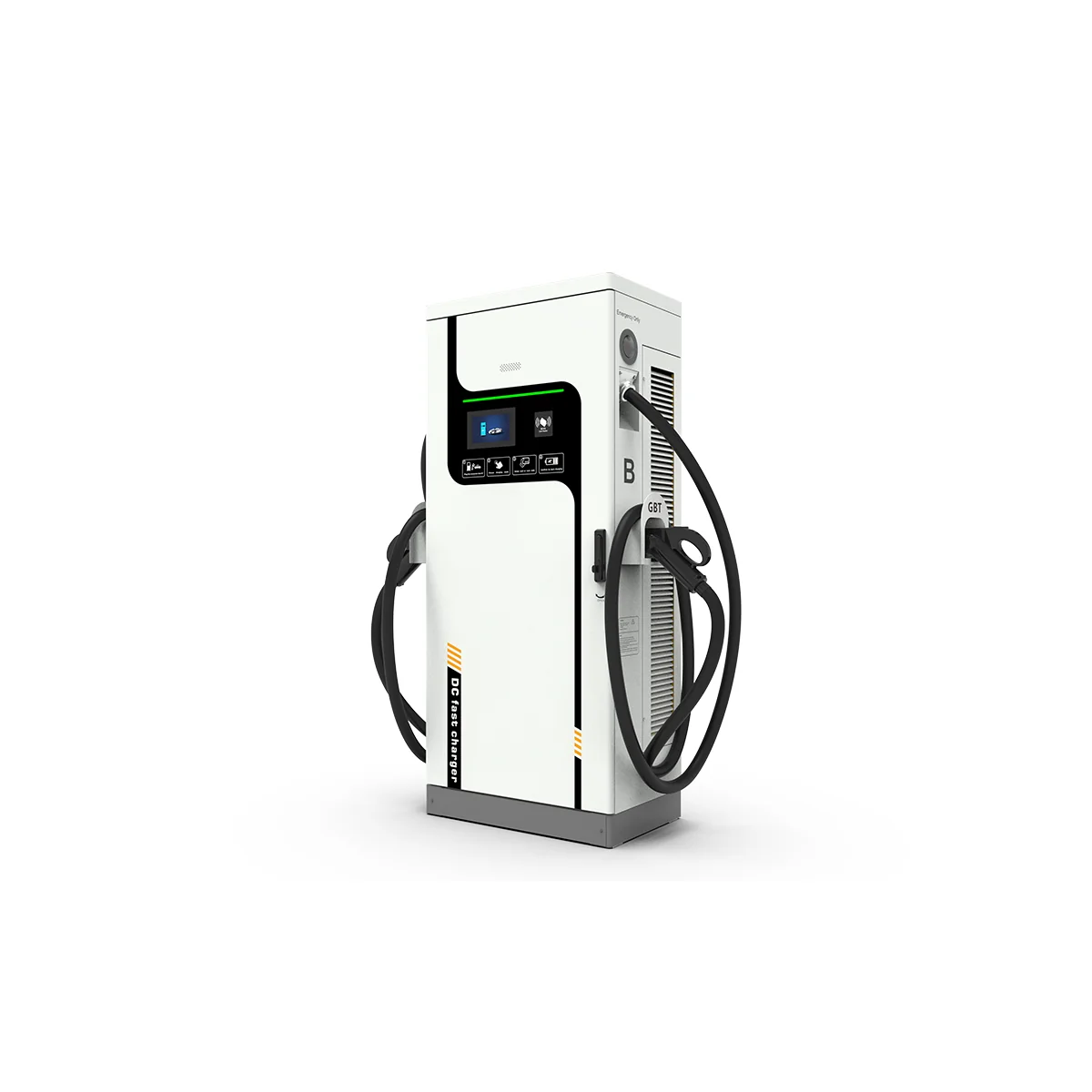
A commuter pulls into a busy plaza at dawn, the air warm with coffee steam and brake dust. A 120kw EV charger hums under load, its cable a little warm to the touch. The screen says 28 minutes to 80%—but the line behind says something else. Data from high-traffic sites show idle wait times can eat 10–15 minutes per session, and utilization spikes often force stations to power-share. Is “fast” still fast when the queue gets longer than the charge?

Listen to the details: fan whirr, contactors click, power converters pulsing. The system tries to balance bays, a bit of load balancing here, a touch of thermal management there. Yet drivers still juggle time, range, and anxiety (la verdad, it’s a lot). If the bottleneck is not the car, it’s the site—funny how that works, right? That’s the tell. The gap between headline kW and real-world flow is where decisions actually matter. Let’s move from the flavor of “fast” to the recipe for throughput.
Here’s where the comparison starts to get real—stay with me and we’ll plate the difference.
The Deeper Layer: Why 160 kW Changes the Experience You Thought 120 kW Solved
Where do wait times really come from?
On paper, 120 kW looks solid. In practice, it’s often the first to hit limits under peak load. The shift to a 160KW EV charging station isn’t just about more watts; it’s about smoothing the ugly edges of crowding. Hidden pain points pile up: thermal derating as cabinets warm, shared power rails that force throttling, and firmware that can’t prioritize queues. Add demand charges and you’ll see sites ducking peak output to protect cost. Look, it’s simpler than you think: slightly higher headroom delivers more stable curves, which means faster average sessions per bay—not just a bigger number on a sticker.
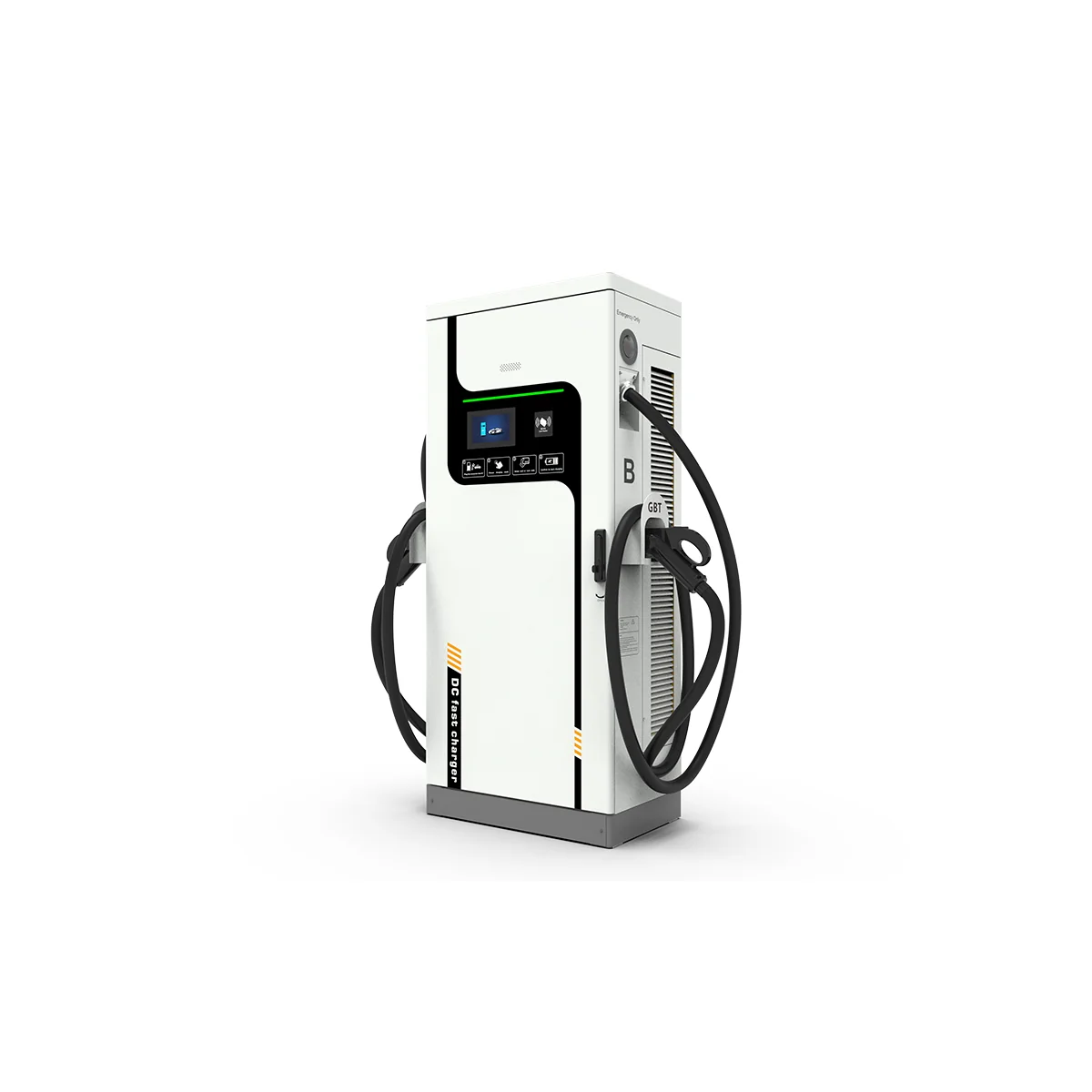
Under the hood, the details matter. Rectifier modules with better efficiency waste less heat, so cabinets stay in the sweet spot longer. OCPP event handling becomes less chatty and more precise, which cuts handshake delays during busy windows. And when you can hold 140–160 kW without dips, you defend against micro-bottlenecks that turn into lines. These are the quiet wins that drivers feel but never see—fewer stalls, steadier ramps, less time lost to balancing acts. And that, more than a headline spec, is what turns a site into a reliable stop.
Forward Look: New Principles That Make Today’s Upgrade Ready for Tomorrow
What’s Next
We’ve seen why a 160 kW step fixes the soft spots. Now, let’s talk principles that keep you future-ready—so you don’t rewire the same trench twice. Modern cabinets are shifting to silicon carbide power stages for higher switching efficiency. Edge computing nodes run local models for fault diagnostics and dynamic load balancing. Liquid or hybrid cooling keeps thermal curves flat so output doesn’t sag after lunch-hour surges. These small engineering choices stack. They protect throughput, and they protect your uptime SLA—funny how the most “invisible” upgrades unlock the most visible wins, right?
Consider upstream design, too. Modular power converters and swappable rectifier bricks shrink MTTR from hours to minutes. Smart scheduling aligns charge ramps with demand response windows, shaving peak without slowing sessions. ISO 15118 “Plug & Charge” trims the fussy seconds at the start. And if you’re testing site expansion or heavier fleets, compare growth paths now: the same cabinet frame that holds 160 kW today may ladder up to 320 kW tomorrow without a full rebuild. That’s where a system like the super fast charging station 320 enters the chat—one physical footprint, higher ceiling, fewer surprises.
Here’s the distilled takeaway, without repeating ourselves: moving from 120 to 160 kW closes the behavior gap drivers feel (wait times, throttling, heat). Designing on next-gen principles—SiC stages, modular blocks, smarter controls—means the upgrade endures as traffic grows. And stepping stones to 320 kW keep your capex linear instead of lumpy—and that’s the twist.
Advisory, if you’re choosing a path forward, measure three things: 1) Throughput under stress—kWh per port per day at 80% site utilization, not just peak kW. 2) Thermal derating curve—how long can the cabinet hold above 90% of rated output at 35–45°C ambient. 3) Serviceability—mean time to repair for a failed module and whether swaps are hot-pluggable. Nail those, and you’ll buy once, scale twice. For more technical context grounded in real deployments, see the engineering behind winline EV charger.