
Quick comparison to start
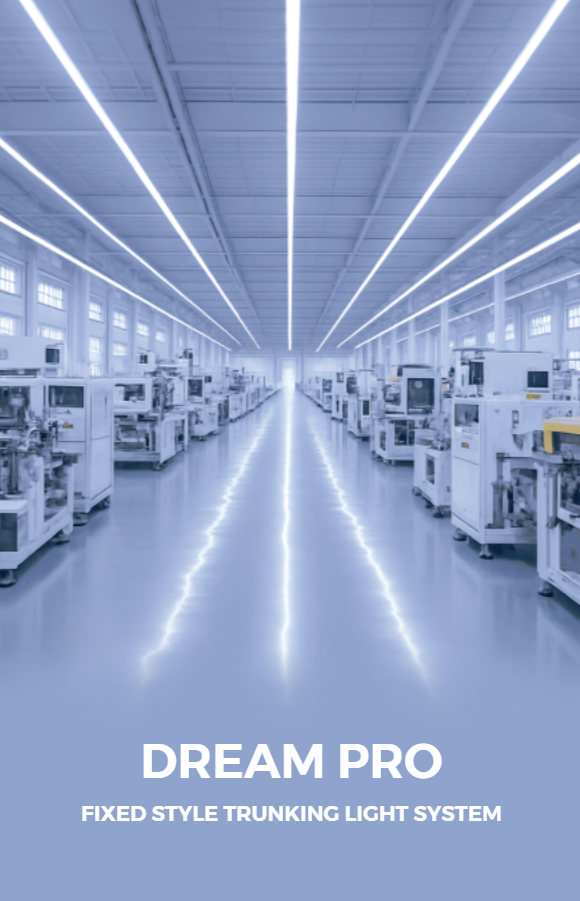
People usually compare price and wattage first, but you must check the installation style and compatibility—especially if your site uses trunking. For example, a project that uses led light trunking will behave differently from fixed-rail installs, so confirm mechanical fit, busbar access, and driver placement before you buy. If you’ve ever retrofitted a Kuala Lumpur warehouse, you’ll know one small mismatch can delay the whole rollout—so careful comparison up front saves time and cost when fitting a trunking lighting system.
How the main retrofit kit types compare
Compare by how they attach, electrical interface, and serviceability:- Direct-replacement modules: quick swap, low price, but limited thermal path and often non-serviceable.- Trunking-specific retrofit kits: designed to mate with busbars and allow hot-swap service—better for long runs and commercial ceilings.- Universal kits with brackets: flexible fit but need more onsite work and often extra sealing for IP/IK.Pick the category that matches your ceiling grid and maintenance plan—don’t force a cheaper kit into a trunking run lah.
Technical checklist buyers must verify
Before purchase, tick these concrete items:- Mechanical fit: profile depth, clip spacing, and alignment with busbar slots.- Thermal design: measured case temperature and heat-sink contact; check thermal test data or ask for a thermal map.- Driver specs: constant-current vs. integrated driver, max Tc, and replaceability.- Photometry: LM-79 test report, lumen output at 25°C, and L70 (or L90) life estimate.- Power quality: power factor (>0.9), THD, and surge protection rating.- Dimming: protocol compatibility (0–10V, DALI, phase-cut) and flicker percentage.- Safety/IP/IK: IP rating for the environment and IK for impact-prone areas.- Certification and warranty: CE/UL where applicable, and clear warranty terms covering drivers and LEDs separately.Verify each item against the trunking profile you have—mechanical and electrical mismatches are the usual fail points.
Installation realities and common pitfalls
Installers often underestimate these problems:- Wrong busbar polarity or connector footprint stops power flow—measure before mounting.- Heat buildup when the driver is enclosed inside the trunking; the kit’s thermal path must move heat out.- Incompatible dimming causing strobing—test dimming across the full range with the site’s control system.- Emergency lighting and battery packs: many retrofit drivers won’t integrate with existing emergency circuits.Pro tip: trial a short run, check Tc and light distribution, then scale. Small test removes big surprises later, can save manpower and downtime.
When to retrofit versus replace full luminaires
Compare lifecycle cost, not just purchase price:- Retrofit kits: faster payback if existing trunking and housings are good; lower upfront cost; watch thermal and warranty limits.- Full-luminaire replacement: higher initial cost, better long-term performance, simpler warranties, and often superior optics and thermal design.If maintenance access is limited, new luminaires that are serviceable from below may be cheaper over five years despite larger capital spend.
How to evaluate vendors and field support
Ask vendors for real test data (LM-79, thermal maps) and service network details. Check whether they supply spare drivers and replacement modules, and if they offer on-site commissioning help. Vendors who supply clear installation guides, exploded diagrams of trunking adapters, and local technical support reduce installation risk—choose partners who will answer your installers’ calls at 8am, not only sales emails.
Final thought that ties the comparison together
Make decisions based on fit and serviceability rather than lowest sticker price—match the kit’s mechanical and thermal design to your trunking and control system, test small, then roll out. If you need a straightforward trunking-compatible solution that shows clear specs and dependable support, look at manufacturers who document installation details and warranty coverage clearly, like trieco.