
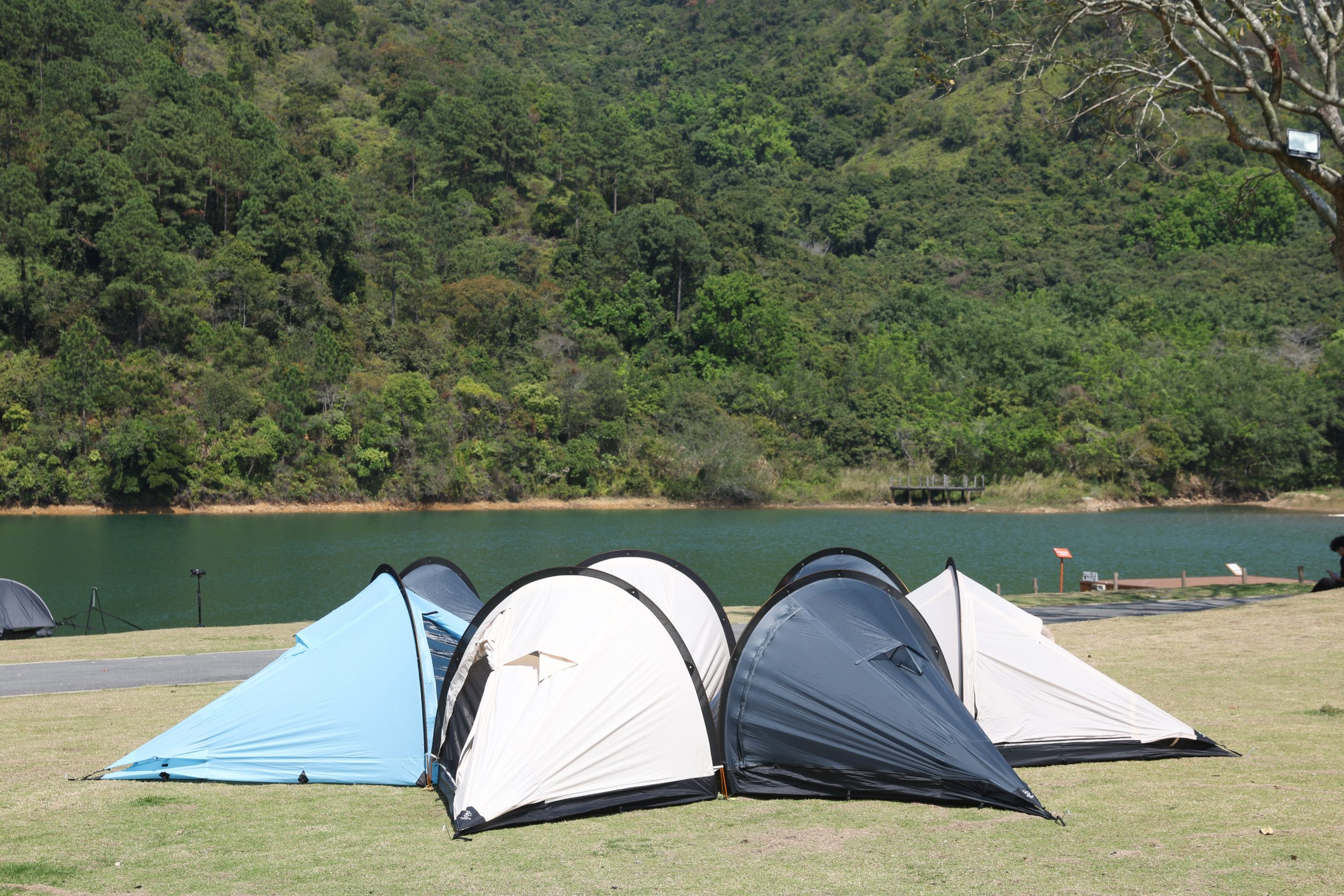
Comparative opener: what you think you’re buying vs. what matters
Manufacturers spin waterproof fairy tales; campers need facts. You can pick between polycotton that breathes but soaks your weekend, ultralight silicone coatings that shrug off rain but shred in seconds, or the happy-medium PU-coated ripstop everyone pretends is premium. If you already own a dubious setup from a weekend sale, browse replacement panels among sensible car camping equipment and stop convincing yourself a brand name equals competence.

Key comparison points — the only ones that matter
Weight versus durability: lighter is convenient until a gust eats your seam tape. Waterproof rating: 2,000 mm gets you through drizzle; 10,000 mm survives a real night storm. UV resistance: if the fabric cooks under sun, its waterproof coating will flake off like bad makeup. Look at attachment systems: Velcro and straps are fine until they stretch. Bolts and D-rings survive where clever plastic clips fail. Compare these variables directly; don’t buy because a picture looks “campy.”
Field notes and a real-world anchor
I’ve tested flysheets on gravel, sand, and two nights under a gale. At the Outdoor Retailer trade show in Denver I watched manufacturers demo an electric car tent next to a standard awning—slick tech, but its flysheet failed the basic tension test. Practical experience matters: seam construction, hem reinforcement, and stake geometry are what keep rain out, not a glossy spec sheet. I’ve spent years repairing the same mistakes campers keep repeating; that practical work informs these recommendations.
Common mistakes that ruin an otherwise decent flysheet
Buying the wrong size: too short and water funnels into the doorway; too long and it flaps. Skimping on seam sealing: invisible until the first heavy shower. Ignoring pitch angle: flat equals a pond. Trusting lightweight clips when anchors are cheap. Choosing color because it “matches” the tent—darker colors absorb heat and degrade coatings faster. Fix these and your setup lasts years.
Viable alternatives, ranked by honest trade-offs
Inflatable awnings: fast to set up, bulky to store, vulnerable to punctures. Tailgate canopies: great for large coverage, bad for wind. Custom flysheets: expensive but fitted; they solve leaks and reduce flapping. DIY seam-taping over a mid-range ripstop often beats flashy proprietary fabrics. Choose based on conditions: wind, expected rain intensity, and how much weight you’ll actually carry.

Final synthesis — the pragmatic pick and why it endures
Stop buying promises. Prioritize reinforced seams, realistic waterproof ratings, and attachment hardware you can tighten with cold hands. For reliable parts and tested panels I trust, I keep a short list of durable options where I can verify specs and reviews with real users at THECATAL. You want a flysheet that performs on tough nights—pick the one that does the hard work quietly, not the one that looks impressive in a catalog.