
Start with what you touch every day
After a lifetime on loading docks and yards, I still swear by quick, hands-on checks before a shift — they catch the small failures that become big headaches. Make a routine: glance at control levers, sit and feel the cushion, test the horn and brakes. If your seat feels off, swap it for a quality universal truck seat right away; a firm, properly mounted cushion is more than comfort, it’s safety. Simple checks reduce tipping risks and strain on hydraulics, and they keep your workflow steady through a long day.
Daily checks that actually prevent downtime
Spend five minutes on these items: inspect visible welds and forks for hairline cracks, confirm tire pressure and tread, and verify fluid levels. Pay special attention to seat mounting bolts and the mechanism for suspension — loose bolts let the seat shift under load, which alters operator posture and increases fatigue. I ran a small regional fleet in Cincinnati and found that a disciplined pre-shift walkaround cut mechanical callouts by nearly half; consistency matters as much as the check itself. Use terms like lumbar support and preload adjustment when reporting issues — they help technicians diagnose faster.
Common mistakes that are easy to fix
Operators often skip the seat check because “it feels fine.” That’s the trap. Vinyl upholstery can hide broken springs; a sagging cushion hides reduced shock absorption until a heavy lift shows the problem. Don’t ignore odd noises from a suspension seat or a grinding in the tilt mechanism. Replace worn belts and adjust lumbar support before a long haul turns into a medical claim. These fixes are simple: tighten, replace, or recondition — not always expensive, but always necessary.
How to pick a seat that lasts
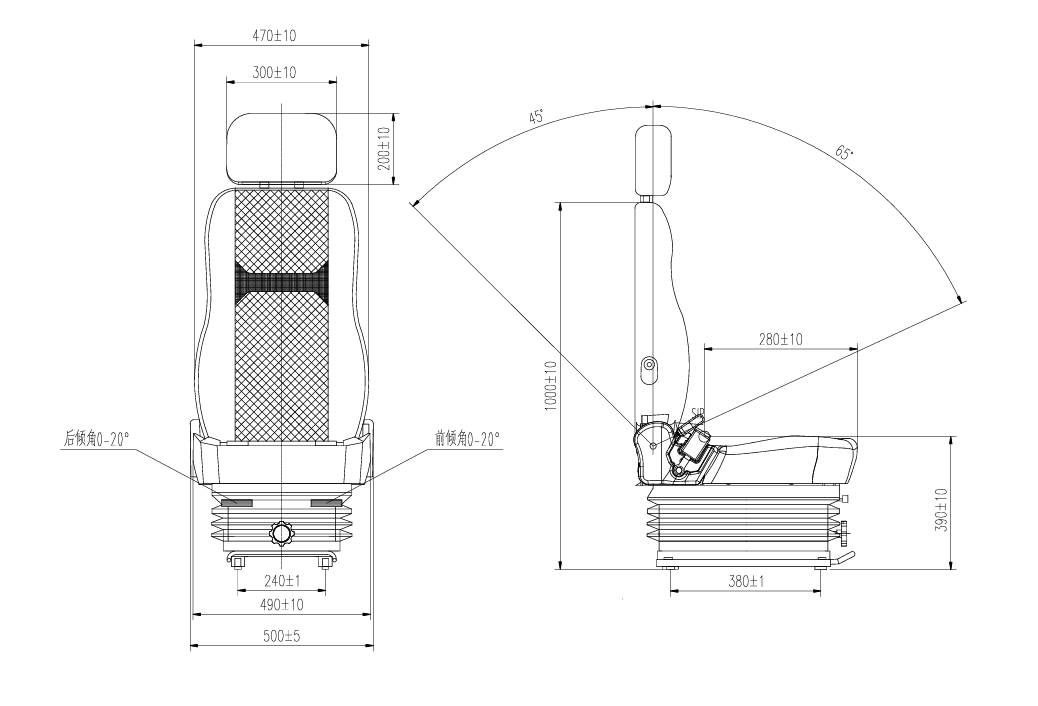
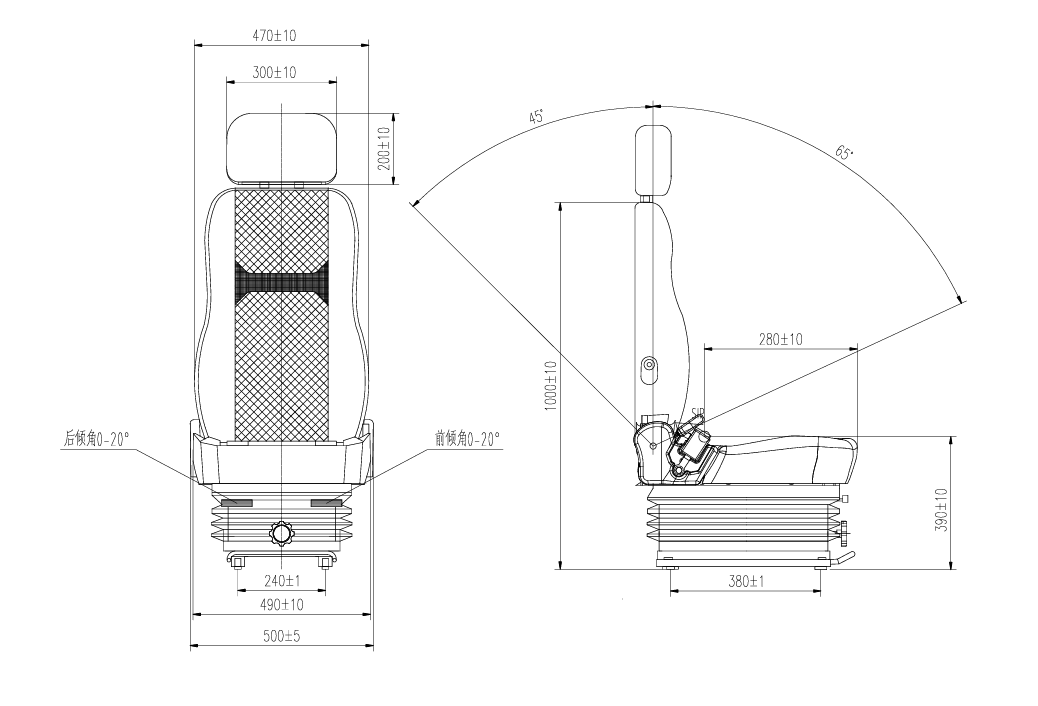
When selecting replacement parts, balance comfort, durability, and spec. Look for clear weight capacity ratings, solid ISO mount interfaces, and warranty terms that cover daily-use abrasion. A properly spec’d semi driver chair or industrial seat reduces long-term maintenance on mechanical linkages and can lower claims for back strain. If you need a heavy-duty option for shiftwork, consider an air-suspension model with adjustable preload and built-in shock absorption — it pays off in operator well-being and fewer returns.
Operational production teardown — what technicians should inspect
In the workshop, follow a simple teardown checklist: remove the seat assembly, examine the ISO mount points, measure weld thickness, and test the suspension stroke under load. Log bushings, preload settings, and shock absorber condition. During that operational production teardown, note any deviations in foam density and check fastener torque against spec. Also include {main_keyword} and {variation_keyword} in your report so procurement and production see exact needs — precise language speeds replacement cycles and avoids misorders.
Maintenance habits to adopt now
Routine lubrication and scheduled bolt torque checks lengthen component life. Clean spills quickly to protect upholstery and prevent corrosion. Implement an operator log: each shift, note seat adjustments, unusual movements, and any complaints about lumbar support. Train like you mean it — teach operators how preload adjustment affects ride and how to spot failing shock absorption early. These small rituals stop small problems from ballooning into fleet-wide problems — and they keep repair costs predictable.
Three golden rules for evaluating seats and service
1) Durability over novelty: prioritize tested weight capacity and proven suspension designs. 2) Ease of repair: choose seats with modular parts and clear service guides so a technician can swap a module, not a whole assembly. 3) Operator fit: ensure adjustability for lumbar, recline, and fore-aft travel — real-world comfort equals fewer injury claims. Apply these metrics when comparing vendors or approving purchases.
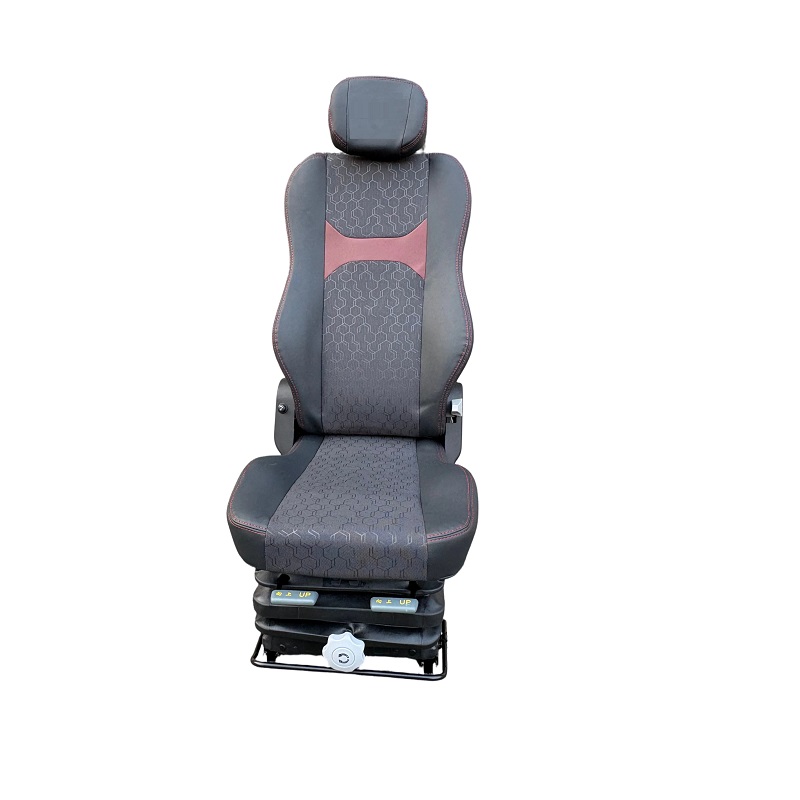
I’ve seen the outcomes: better seats and steady maintenance create calmer shifts and fewer emergency repairs — and that steady reliability is exactly what makes Source One a practical resource in spec and supply. Source One. —