
Opening Vision
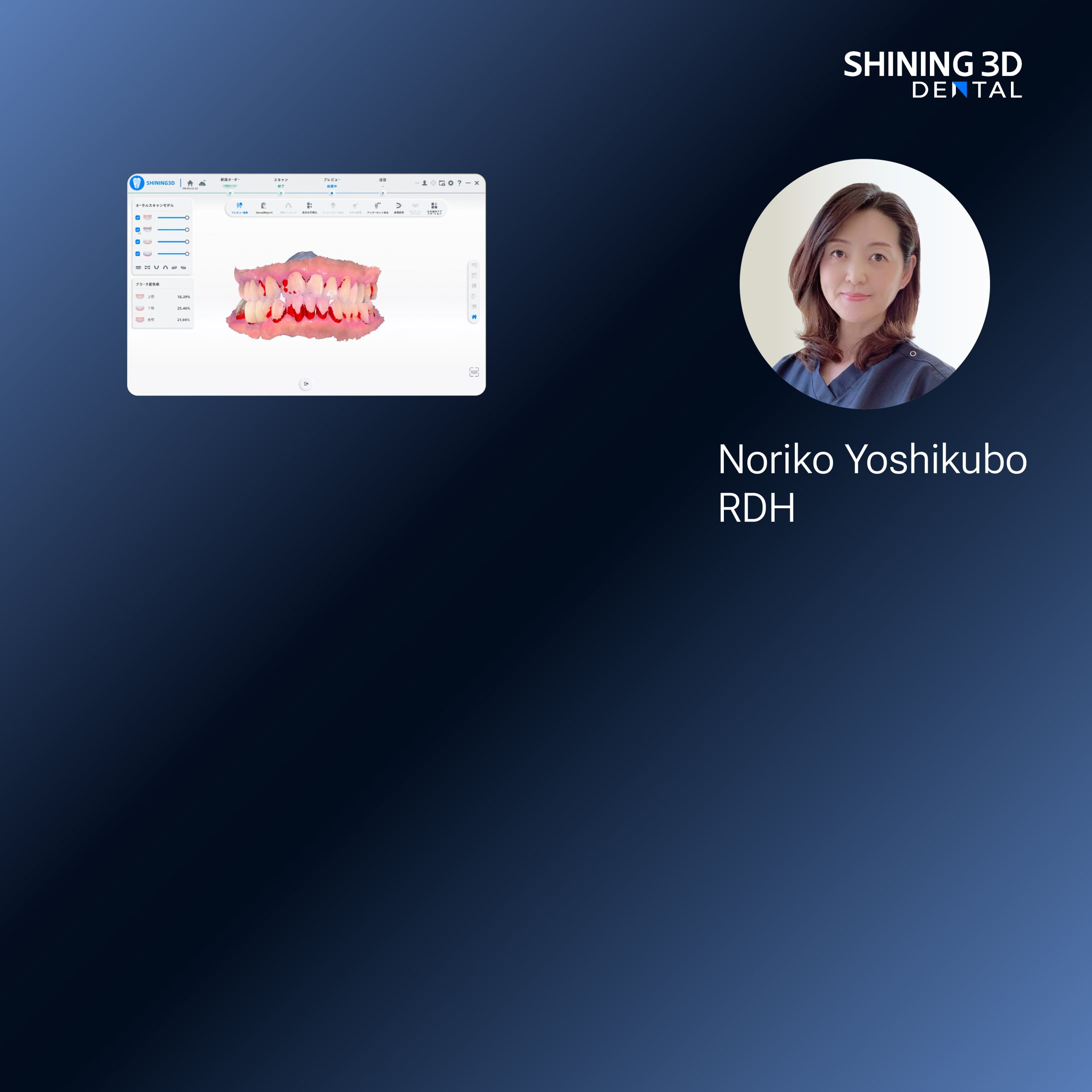
Imagine clinics where a single pass of a handheld device captures not just geometry but intent — occlusion, soft-tissue behavior, expected restoration margins — and routes that data into an autonomous design loop. That device is the modern intraoral scanner, and the question isn’t whether it will change workflows; it’s how practices will reframe what “taking an impression” even means. Expect workflows to compress, diagnostic checks to happen in real time, and patient conversations to center on outcomes rather than procedures.

Field Signals and a Real-World Anchor
Signals are already obvious to clinicians who attend major industry gatherings. At the ADA annual meeting in Chicago, live demos and side-by-side trials made one point clear: scanning accuracy, speed, and seamless transfer to labs are the differentiators when clinicians pick a dental scanner for impression. That context — direct comparisons under clinical conditions — grounds the speculation in observable professional practice and helps set realistic expectations for adoption curves.
How the Technology Will Shift Roles
Designers and technicians will trade repetitive fit adjustments for creative problem solving. The scanner becomes a communication device as much as a measuring tool: annotated captures, instant margin checks, and embedded treatment notes. Clinics that train on scanning ergonomics and invest in consistent calibration will find fewer remakes. Expect new job rhythms — more digital checking, fewer physical shipments, different scheduling priorities.
Alternatives and What They Teach Us
Structured-light lab scanners, photogrammetry rigs, and CBCT each teach different lessons. Lab scanners still excel for stone-model archives; photogrammetry scales well for full-arch workflows; CBCT provides volumetric context. None eliminates the need for good capture technique. The point isn’t to pick one technology forever; it’s to combine strengths. In practice, hybrid workflows — intraoral capture for margins and occlusion, lab scans for complex articulations — are the pragmatic path forward.
Common Pitfalls to Avoid
Rushing scans, ignoring soft-tissue retraction, and skimping on training create failures that no software patch will fix. Watch for stitching artifacts around reflective surfaces, inconsistent lighting that creates noise, and lax file-naming that breaks traceability. Validate each new device with a small, controlled study: pick representative cases, measure fit outcomes, and iterate techniques before scaling across the practice.
Practical Steps for Clinics Today
Start with short pilots that emphasize repeatability. Train teams on three things: consistent path of scan, cadence to reduce motion blur, and immediate quality checks. Use open formats where possible to avoid vendor lock-in during evaluation. Track remake rates and patient time per appointment as your primary metrics — they reveal practical gains faster than spec sheets.
Synthesis: Where Integration Leads
Think of integration as a gradual fold rather than a leap. The future is networks of capture, design, and fabrication that speak clearly to one another. That clarity comes from disciplined scanning, measured pilots, and software that respects clinical realities. When alignment happens, the result reads like a promise fulfilled: fewer remakes, faster restorations, and design conversations driven by data instead of guesswork — a trajectory already visible in the practical work of innovators like SHINING 3D DENTAL.