
A Comparative Overture
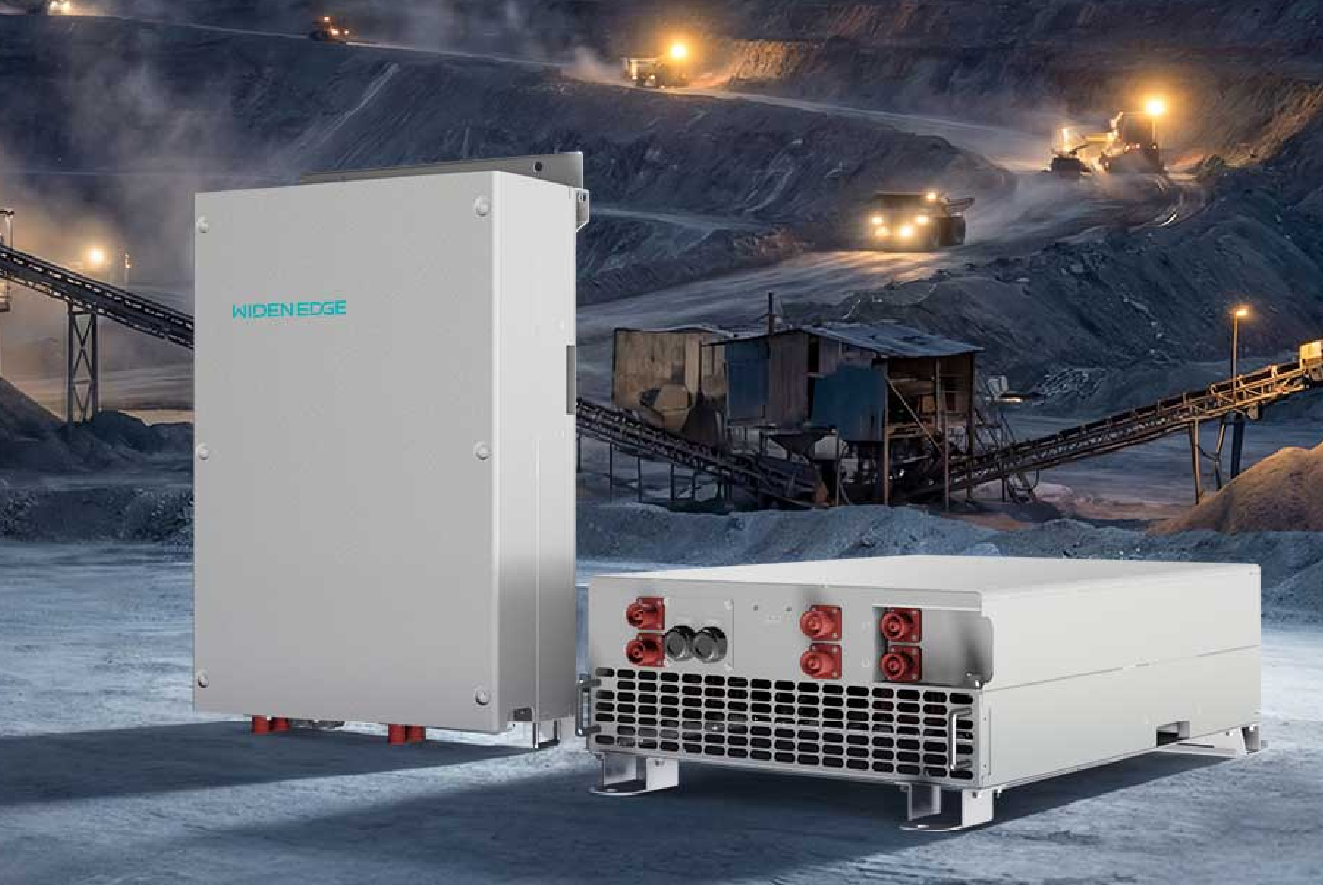
When one seeks to judge the true value of a commercial battery backup, the question is not merely of price but of comparative yield across time; a 125kW commercial energy storage inverter often stands at the heart of such installations, sizing the power-handling against expected load and revenue streams, and such choices frequently accompany c&i solar projects. Considerations differ by use: demand reduction, time-shift arbitrage, outage protection, or capacity services. I have observed decisions shaped by locale and tariff; California’s commercial rooftop solar market provides a plainly seen example of where tariff structure alters payback materially. This piece sets two items side by side—payback (how quickly capital returns) and lifecycle value (total utility and cost across service life)—and compares common system choices with that dichotomy guiding every judgment.
Core metrics to weigh
Compare systems by these concrete metrics and not by evocative marketing claims:- Initial capital cost and balance-of-system expenses (racks, cabling, commissioning).- Usable energy (kWh) at a practical depth of discharge rather than nameplate capacity.- Cycle life expressed as cycles at a given depth of discharge; this determines replacement cadence.- Round-trip efficiency; losses translate directly into lost revenue or fuel.- Warranty terms: warranted throughput (kWh) and calendar years.- Maintenance burden and mean time to repair; downtime reduces lifecycle value.- Control software and grid interoperability; value captures stackable revenue streams.- Thermal management and site conditions; high ambient heat shortens life.
Comparative profiles of common chemistries and architectures
Set them against each other plainly:- LFP (lithium iron phosphate): longer cycle life, tolerant of deep discharge, simpler thermal management; capital cost higher than legacy chemistries but lifecycle cost lower where frequent cycling is expected.- NMC (nickel manganese cobalt): higher energy density and lower initial cost per kWh in some cases, but shorter cycle life under daily cycling; best where weight or footprint constraint truly governs.- Flow and other long-duration chemistries: excel where multi-hour discharge is required; footprint and system complexity grow with duration.- AC-coupled modular systems: quick to install, easily scalable, sometimes simpler to replace by module; bidirectional efficiency penalties can reduce arbitrage value.The right choice depends upon the use profile: frequent shallow cycles prefer different technology than infrequent deep backup cycles. Compare expected cycles per annum to the rated cycle life to forecast replacements.
Calculating payback and a simple lifecycle model
Apply clear arithmetic rather than conjecture. Use these steps:1) Annual net savings = (avoided energy cost + reduced demand charges + any market/ancillary revenue) − annual O&M and efficiency losses.2) Simple payback = Total installed CAPEX / Annual net savings.3) Annualized capital cost approach: apply a capital recovery factor (CRF) to CAPEX to compare with annual revenues; CRF = r(1+r)^n / ((1+r)^n − 1) where r is discount rate and n is years of analysis.4) Approximate levelized cost of stored energy (LCOS) = (Annualized CAPEX + annual O&M + replacement reserve) / annual discharged kWh.Illustration with neutral figures: if CAPEX is taken as X, annual net savings as S, then payback = X / S. If X is large and S small because demand-charge savings were overestimated, payback will lengthen. Always run sensitivity on tariff, degradation rate, and dispatch assumptions.
Common mistakes that skew estimates
Avoid these errors that leave purchasers with poor lifecycle value:- Counting full nameplate capacity rather than usable energy after depth-of-discharge limits and inverter losses.- Assuming constant performance without degradation; batteries lose usable capacity and efficiency over years.- Overestimating dispatchable revenue: many grid markets require consistent performance and registration hurdles.- Ignoring balance-of-system replacements (inverters, contactors, BMS updates) and their timing.- Misreading warranty fine print: throughput limits and pro-rata provisions matter.- Neglecting ambient conditions and site-specific installation costs; rooftop weight limits, ventilation, and permitting alter true cost.
Comparative decision heuristics
Simpler rules help when full models are unavailable:- If dispatch is daily and predictable, prioritize cycle life and low degradation rates.- If space is constrained but cycles are few, favor higher energy density chemistries.- If multi-hour duration is required, consider architectures chosen for duration rather than simple power rating.- If primary value derives from demand charge reduction, model worst-case monthly peaks rather than average monthlies.Run a three-scenario comparison—conservative, base, and aggressive dispatch—to see how quickly payback swings; decisions that survive the conservative case typically yield genuine lifecycle value.
Synthesizing vendor selection and long-term value
Choose a vendor by total-cost evidence and operational proof rather than by unit price alone. Seek clear documentation of cycle testing, field references with similar use profiles, and transparent replacement and service pricing. Ask for modeled outcomes using your actual load profile and tariff; insist on clarity about expected degradation and warranty remedies. A vendor who demonstrates measured performance under similar commercial conditions and who structures service to align incentives will better preserve lifecycle value.
Final appraisal
Measured against the twin lodestars of prompt payback and enduring lifecycle value, the sensible course is comparative scrutiny: quantify savings conservatively, require clear warranty and replacement plans, and select the chemistry and architecture matched to duty. When these comparisons are made plainly and the math is kept separate from wishful thinking, the resulting procurement is a durable asset rather than a transient gamble, and sound project design often points one naturally toward partners whose engineering and service record mirror the calculations—such is the value offered by WidenEdge.