
Introduction — a short scene, a little data, one big question
I once slipped into a red light bed after a long day, thinking it would be a five-minute miracle for my creaky shoulders — spoiler: not always. The red light bed hummed, the panel warmed, and I watched the timer like a very impatient goldfish. Studies and user surveys often point to clear benefits from photobiomodulation; still, many folks (myself included at times) ask: why do results wobble from session to session? — funny how that works, right?
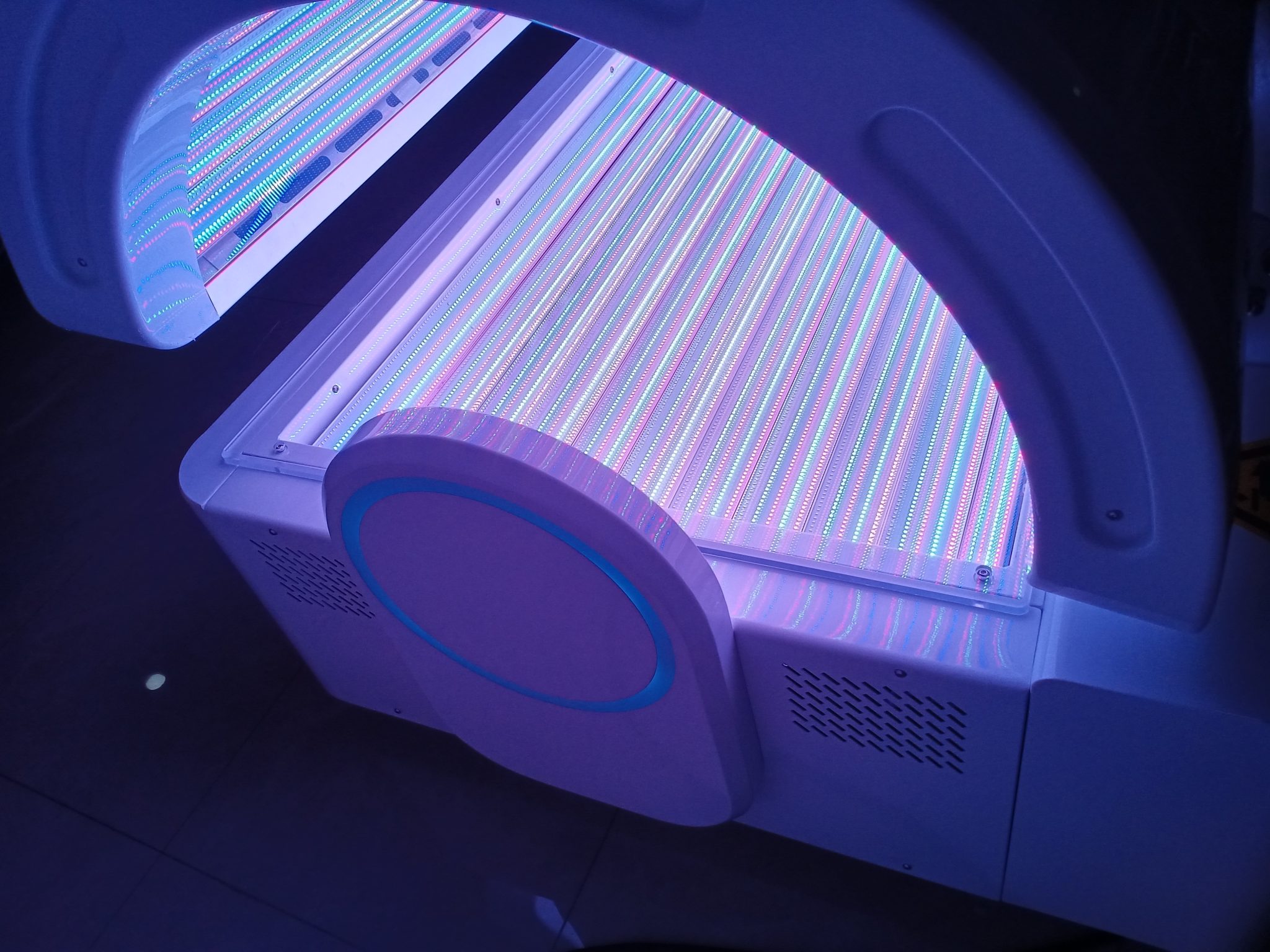
Here’s the setup: you lie down, the device emits near-infrared and red wavelengths, and the hope is faster recovery, better sleep, or less inflammation. Some users report steady gains; others get hit-or-miss outcomes. I’m curious — and a little skeptical — so I dug in. What exactly causes such variation? Is it the device, the settings, or how we use it? I want to get practical about this and spare you the fluff. Next, I’ll unpack the subtle reasons light bed therapy sometimes underdelivers and what you can do about it.
Hidden user pain points with light bed therapy — a technical look (but plainspoken)
light bed therapy can be powerful, but let me be blunt: the user experience is where many promising devices stumble. First, session consistency is fragile. People vary their distance to the panels, change session lengths on a whim, or forget simple things like skin exposure. Then there’s device drift — LEDs age, optical irradiance shifts, and firmware updates (or lack of them) can alter output. These are small variables that add up to big differences in effect. Look, it’s simpler than you think: inconsistent dose equals inconsistent results.
Why does it feel inconsistent?
Some concrete pain points I’ve seen: unclear user instructions, overreliance on factory presets, and the illusion that higher power always equals better results. Power converters and heat sinks inside a unit may degrade. That changes the emitted wavelength balance and irradiance. Users don’t sense these changes but the tissue response does. Also — and this matters — ambient light, skin tone, and how recently you showered (yes) affect absorption. When someone complains the red light bed “did nothing,” I usually find one of these hidden issues lurking behind the complaint. I’ve audited setups where edge computing nodes that control timing were misconfigured, causing uneven session cycles. Simple fixes often reverse the problem: standardized session logs, periodic irradiance checks, and clearer guidance on skin distance and exposure time. That’s the low-level troubleshooting most manuals skip, and I’ll walk through forward-looking fixes next.
What’s next — new technology principles and choosing wisely
Looking ahead, I expect two big shifts to stabilize outcomes. First, smarter control systems: devices that use real-time sensors to measure output and adjust for LED aging, temperature, and even skin reflectance. Second, standardized dosing metrics — think the way we measure calories but for photons: consistent units of irradiance and energy delivered. These principles cut through the guesswork and make sessions repeatable. When manufacturers add closed-loop feedback, the machine compensates for falling irradiance or odd wavelength drift. That means users get the dose they expect, not a hopeful approximation.
Practically, when you evaluate a red light bed, pay attention to three things: measured irradiance at a given distance, documented wavelength ranges, and whether the unit reports session energy back to you (logs matter). Also look for firmware that updates safely and clear user guidance on distance and session length. Shortcomings remain — cost, the need for calibration tools, and variable user habits — but the tech is moving fast. Real-world pilots show better consistency when devices include onboard sensors and clear metrics. I’ll leave you with three quick evaluation metrics to use when shopping:
1) Irradiance (mW/cm²) measured at typical use distance. 2) Wavelength accuracy and stability over time. 3) Session logging and closed-loop control (does the device adjust for LED wear?). These are simple to check and they tell you whether a product was built to deliver repeatable results. If you want practical guidance on models that meet these standards, I’m happy to help compare options — I’ve tested a few and I’ll be honest about the trade-offs.

Final note: I still like the idea of stepping into a warm red glow after a long day. It feels human. But I’ve learned to look under the hood now — and so should you. Magique Power