
Introduction — a small scene, some numbers, and a big question
I was sitting with a cousin who hid her smile in photos; she told me a quick story about skipping meals because chewing felt awkward. In the next breath she asked if modern aligners could really fix that — and that’s where lulusmiles came into our chat. Recent studies show non-surgical approaches are chosen by more patients now (roughly 40–55% in some clinics) — so I wondered: can those numbers match real, lasting comfort for people with misaligned bites? What follows is my take, based on clinics, common patient feedback, and things I’ve learned working alongside dentists here and there. Let’s look under the hood — step by step — and see what actually matters for everyday smiles.
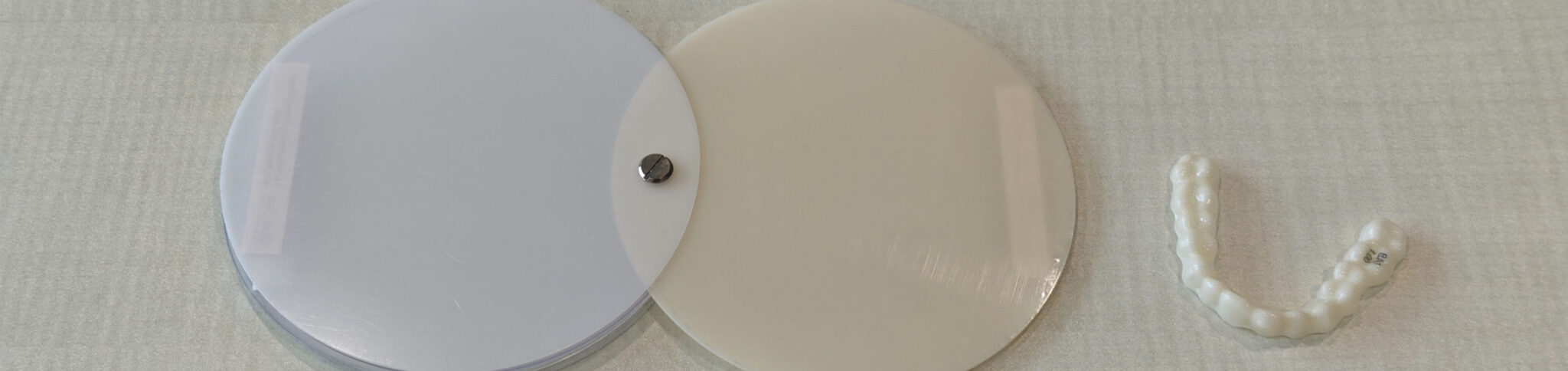
Technical look: Why many solutions fail for underbite teeth
When we talk about underbite teeth, we’re not just talking about a cosmetic issue. The root problem often involves mandibular prognathism and complex occlusion patterns. Traditional braces and one-size-fits-all clear aligners try to move teeth, but they can miss the bigger biomechanical picture — especially the jaw relationship and chewing function. Orthodontic biomechanics must account for force vectors, attachment design, and aligner thickness to guide teeth without creating new problems. I’ve seen treatment plans that focused on tooth alignment alone and ignored bite plane correction — and patients ended up with persistent discomfort, relapse, or longer treatment time. Look, it’s simpler than you think: if the jaw position isn’t addressed, the tooth movements are only half the story.
What specifically trips up treatment?
For one, many practitioners underestimate root torque and anchorage needs. Without proper anchorage, tooth tipping occurs instead of bodily movement; that reduces long-term stability. Then there’s patient compliance—clear aligners depend on wear time, but even perfect compliance won’t fix a skeletal discrepancy. I mention these points because they are the technical gaps I keep noticing: insufficient staging, poor aligner fit over molars, and weak strategies for addressing mandibular shifts. These are not sexy topics, but they’re crucial if you want a functional, long-lasting result — not just a prettier smile.
Forward-looking view: New approaches and what to watch for
Moving forward, I expect combined strategies to become the norm: coordinated orthodontic planning with targeted aligner protocols and adjunctive supports. For example, hybrid treatment that uses aligners plus minimal fixed mechanics can handle complex movements while keeping patient comfort high. Case studies already show faster correction of underbites when clinicians integrate occlusal equilibration and staged mandibular guidance — and yes, some manufacturers now fine-tune aligner material and thickness for specific force delivery. If you’re shopping, you’ll hear offers like invisible aligners cheap — but price alone shouldn’t be the deciding factor; consider clinical support, monitoring tools, and material science behind the product.
Real-world impact — what changes for patients?
Patients gain more predictable outcomes when providers use digital planning, regular progress checks, and clear metrics. We’re seeing remote monitoring tools that flag deviations early, reducing surprises. The shift isn’t just technical: it’s also about patient education and realistic timelines. I remember a patient relieved to learn that a slightly longer, staged plan was safer than rushed short-term fixes — funny how that works, right? Short-term smiles fade; functional corrections last.
To help you evaluate options, here are three practical metrics I use personally when comparing solutions: 1) Clinical support availability — how often will a clinician review your progress? 2) Biomechanical transparency — does the plan explain force systems and staging? 3) Long-term stability data — are relapse rates reported? Use these to judge both cost and value. In sum, better outcomes blend smart mechanics, patient habits, and honest follow-up. I’ve seen it in clinics and in friends’ stories — and I believe ongoing, thoughtful care will define the next wave of successful treatments. For reliable options and more resources, check lulusmiles.