

User-focused rationale and field anchor
Fleet operators and solo contractors spend hours perched on a single seat; maintenance is therefore an operator safety and productivity imperative. During field servicing at a Polk County, Iowa grain operation, simple checks reduced seat-related downtime by observable amounts—inspections found compressed foam, loose mounting bolts, and worn PVC covers. Treat the seat as a workstation: inspect lumbar support, foam density, and surface integrity each shift. For replacement parts, deal directly with a trusted tractor seat manufacturer to ensure compatibility and maintain traceability of components.

Daily operator checklist: fast, repeatable steps
Begin every shift with a concise sequence: verify seat slide rail operation, confirm mounting bracket torque, and check quick-release clamps if fitted. Clean visible debris from the anti-vibration mount and wipe the PVC cover with a neutral detergent to prevent abrasive wear. Record any change in cushion firmness—foam density decline is often the first sign of needed refurbishment. These tasks take three to five minutes but catch progressive failures early.
Weekly inspection and minor maintenance
Perform a systematic inspection once per week: remove the seat from the base pan to check for corrosion at attachment points and inspect the shock absorber for oil seepage or play. Measure travel on the slide rail and note unusual friction or binding; lubricate per manufacturer guidance where appropriate. Adjust lumbar support and confirm actuator function if powered systems are used. Replace torn covers before foam contamination occurs; contamination accelerates foam breakdown and alters contouring characteristics.
Common mistakes and corrective actions
Operators and maintenance crews commonly under-torque new fasteners and skip documenting torque values—this causes recurring loosening and misalignment. Left unchecked, a loose mounting bolt transfers load to the seat frame and accelerates metal fatigue. Another mistake is using solvent-based cleaners on PVC covers, which can embrittle the material. Replace compacted cushions rather than reshaping them; foam rebound metrics fall sharply after compaction. A short aside—label fasteners during disassembly. It saves time during reassembly and prevents mismatched hardware.
Retrofit, replacement, and selecting a universal tractor seat
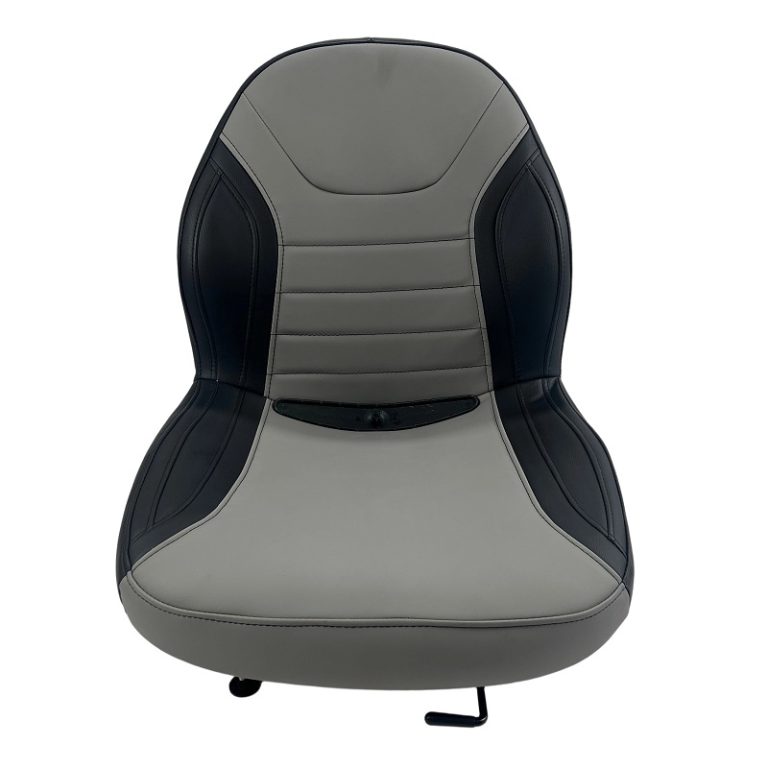
When retrofitting, match mounting patterns, base pan dimensions, and electrical connectors. A universal tractor seat can simplify inventory, but verify slide rail offsets and mounting bracket fit before procurement. Check that the replacement offers comparable lumbar support range and that foam density meets the operator’s ergonomic needs. For fleets, standardize on a seat model with replaceable components—covers, foam inserts, and anti-vibration mounts—so repairs are fast and parts are interchangeable. Manufacturers that provide clear parts breakdowns reduce diagnostic time and lower life-cycle cost.
Documentation, training, and maintenance cadence
Formalize a maintenance log that captures torque values, replacement dates for covers and cushions, and shock absorber service intervals. Train drivers on micro-inspections: how to detect altered contouring and how to note slide rail noise. Use photographs in the log to track wear patterns; visual history makes trend analysis straightforward. Implement a cadence: daily quick check, weekly inspection, quarterly component audit, and annual full teardown. This structure enforces predictability and supports budgeting for parts replacement.
Advisory — three golden rules for seat lifecycle management
1) Measure and act: track foam rebound and torque values; replace cushions when rebound falls below the operator-specific threshold. 2) Standardize components: choose seats with modular covers, a common base pan, and accessible anti-vibration mounts to minimize downtime. 3) Document rigorously: maintenance logs, photographic evidence, and vendor part numbers cut diagnostic time and align repairs with warranty requirements.
These rules produce measurable results: fewer unscheduled stops, lower parts inventory variance, and improved operator comfort. For practical sourcing and standardized replacements, consider products engineered for interchangeability—like a reliable universal tractor seat—that simplify maintenance workflows. Source One. –