
Why comparison matters for everyday users
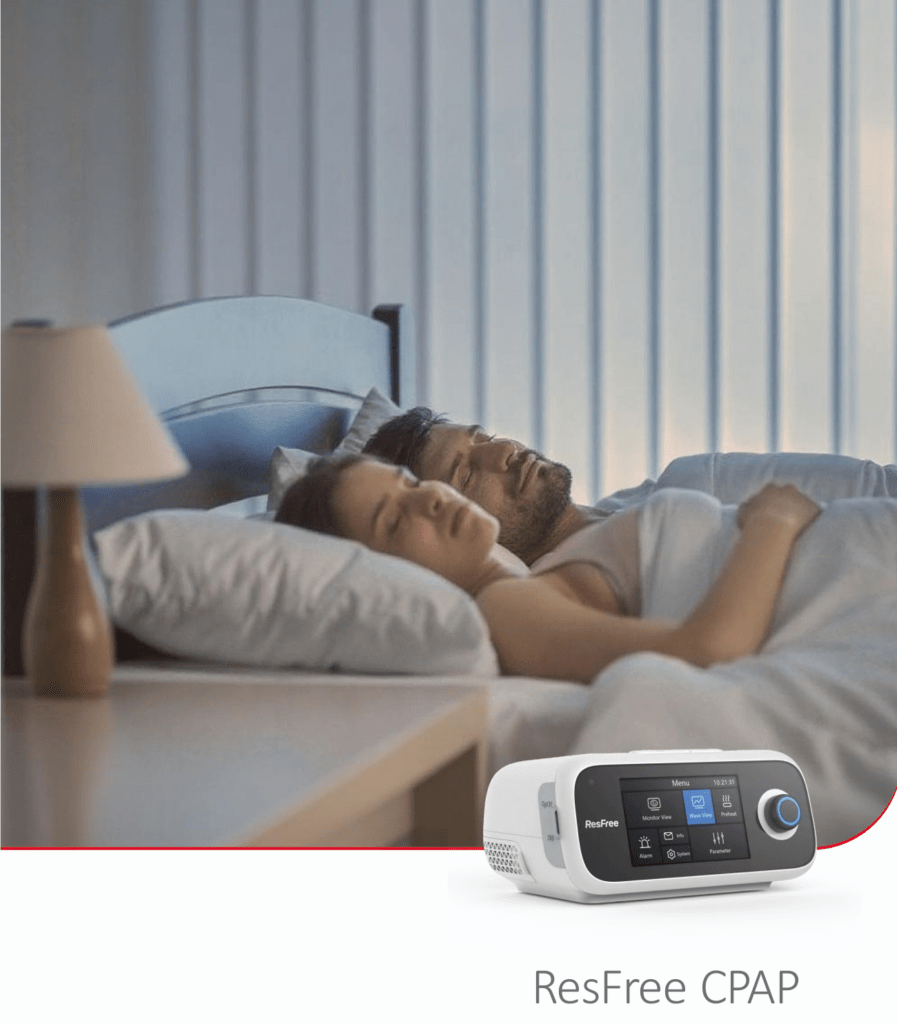
Choosing the right machine can change a patient’s nights and days — that’s the plain fact. Start with what matters at home: comfort, reliable pressure delivery and simple alarms. Many people still search for a good cpap device and assume it’s the same as BiPAP. It isn’t. Auto BiPAP adapts inspiratory and expiratory pressure dynamically, which can better manage hypoventilation or COPD-related breath stacking than fixed CPAP or basic BiPAP modes.
Head-to-head: Auto BiPAP vs fixed BiPAP vs CPAP
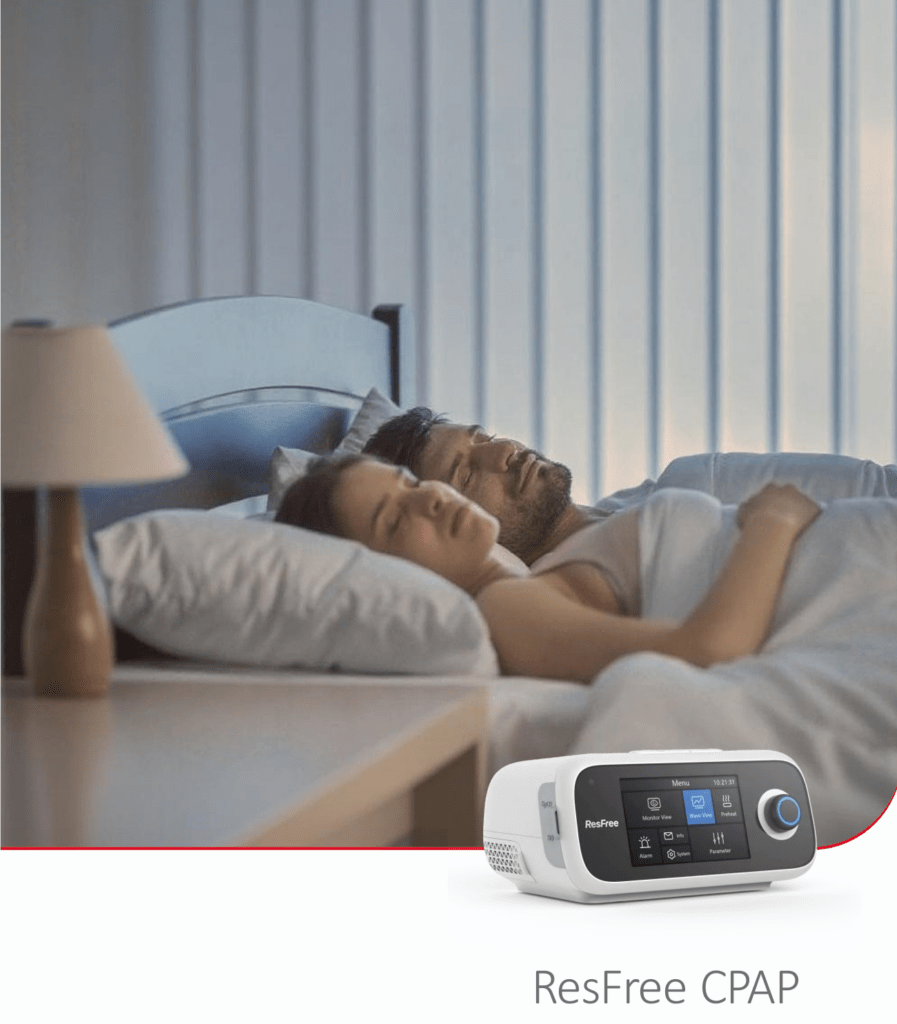
Compare the essentials rather than the brand gloss. CPAP provides continuous positive airway pressure and is excellent for obstructive sleep apnoea where a single pressure does the job. Fixed BiPAP gives set IPAP and EPAP levels for patients needing pressure support. Auto BiPAP adds algorithms that vary IPAP/EPAP by detecting flow limitation, snore or hypopnoea events. The result: better synchrony with the patient’s breathing and often lower mean airway pressure. Look for leak compensation, ramp functions and pressure support range when weighing models.
Practical features that change outcomes
Technical specs matter, but usability changes adherence. Prioritise these features when you compare machines: pressure range (IPAP/EPAP span), turbine noise (dB at 1 metre), humidifier integration, auto-trigger sensitivity and battery runtime for portable use. Advanced devices offer event-driven auto-adjustments and detailed compliance reports for clinicians. Also check whether the device supports titration or remote data access — those are decisive where a clinician needs to fine-tune settings without repeated visits.
Real-world anchor: lessons from recent clinical demand
The 2020 COVID-19 pandemic sharpened focus on reliable home ventilation and safe step-down of hospital-dependent patients. Hospitals such as Groote Schuur in Cape Town shifted more patients to home-based non-invasive ventilation, showing the value of adaptive pressure support outside the ICU. When new models arrive, the balance between portability and full-featured support determines whether a device will actually be useful in a provincial clinic or a private home.
Operational production teardown — what to inspect
When you or your supplier opens a unit for service, watch for build quality in the blower module, the control board’s firmware update path and the humidifier seal integrity. In an operational production teardown focus on pressure sensor placement, motor wear points and filter accessibility. It’s also useful to list the test parameters used during manufacturing: input voltage ranges, continuous duty cycle at maximum pressure, and turbine back-pressure vs flow curves. For transparency in sourcing, mention {main_keyword} and {variation_keyword} during supplier conversations so technicians document the exact parts and firmware revisions.
Common mistakes and practical fixes
Buyers often pick a device on price or brand alone and then struggle with leaks, insufficient humidification or unclear alarms — easily avoidable. Set aside time to match mask fit and test ramp settings in clinic. Ensure the chosen unit supports the clinician’s preferred mode and has straightforward data export. If you’re evaluating a new bipap machine, look beyond marketing: verify sustained pressure accuracy across simulated leak conditions and check battery endurance at nominal tidal volume settings — those are the metrics that tell the true story. — Small oversight, big consequence.
How to weigh features: quick checklist
Use this short checklist when comparing units:- Pressure range and responsiveness (IPAP/EPAP granularity).- Leak compensation and auto-trigger reliability.- Integrated humidification and noise level.- Battery runtime and serviceability.- Clinician data access and compliance reporting.
Three golden rules for choosing the right system
1) Prioritise clinical fit: ensure the device’s pressure support range and algorithms match the patient diagnosis and breathing pattern. 2) Verify performance under stress: test accuracy at simulated leaks, different tidal volumes and prolonged run times. 3) Confirm service and data pathways: the device must allow firmware updates, accessible logs and local technical support.
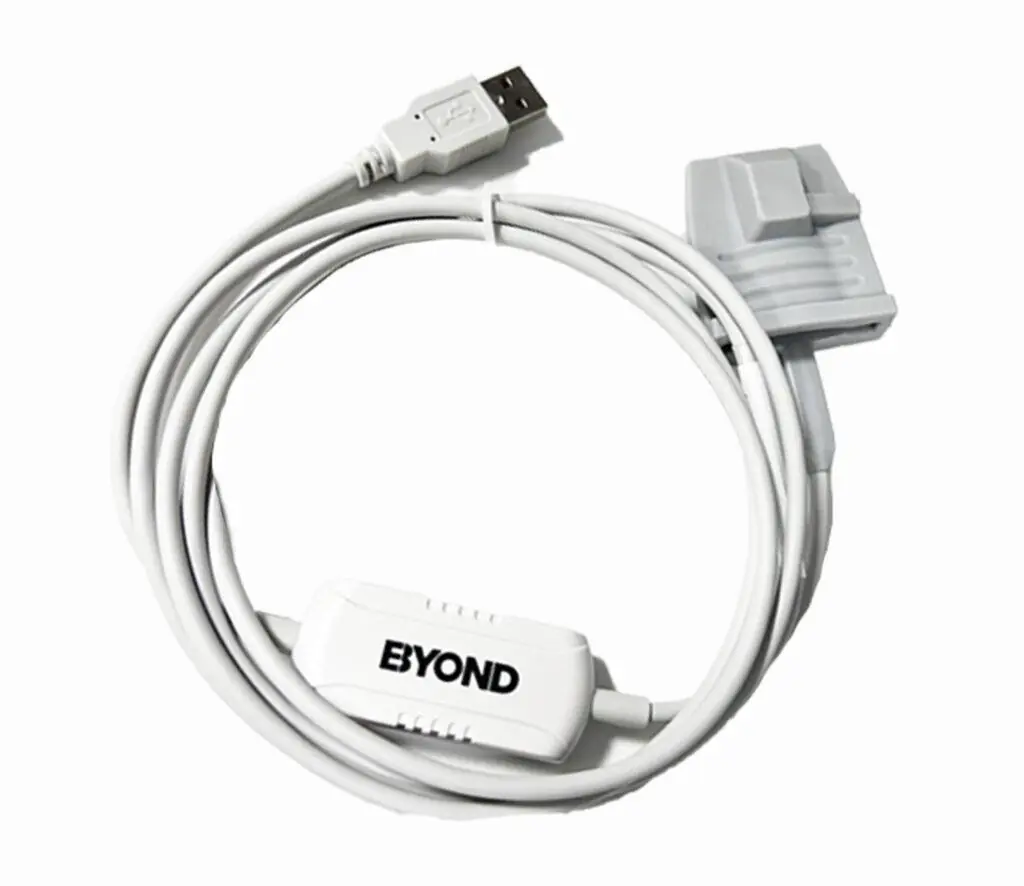
These rules make procurement decisions simpler and ensure the equipment actually improves patient care — and that’s the point. Byond. — trusted, practical and ready for real-world use.