
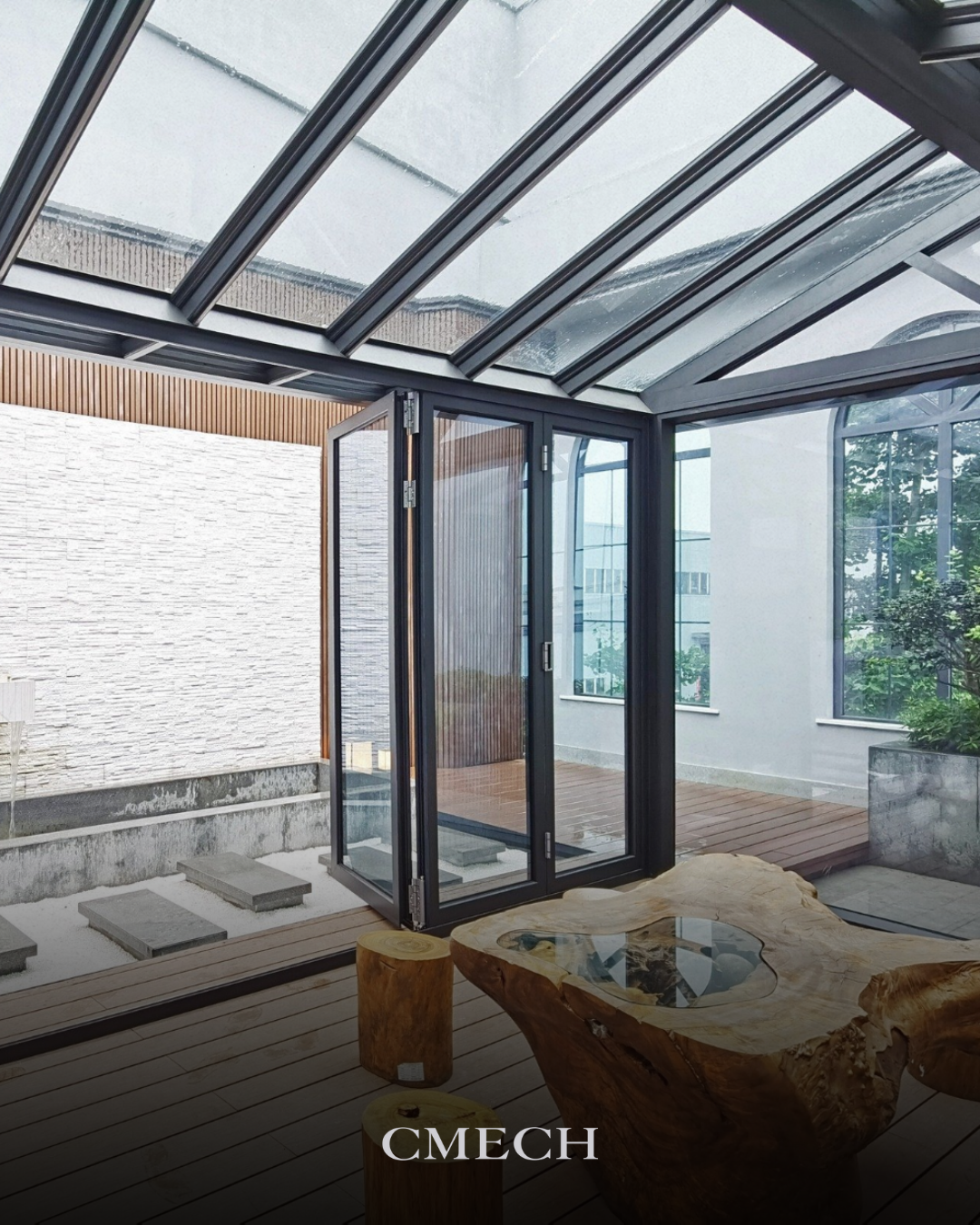
Comparative lead — why parts matter as much as panes
The romance of light and breeze begins at the joints: a sash that moves gracefully, a threshold that breathes with dignity. In comparing sustainable casement window parts with sliding patio door hardware, we see two philosophies of craft meeting the same green goal. Choices around awning window hardware, operator design, and weatherstripping shape a building’s comfort and its carbon ledger.
Material choices and lifecycle: aluminum, stainless, and the quiet returns
Casement hinges, multipoint locks, and friction stays are often forged from aluminum or stainless steel; both offer recyclability but different embodied-energy profiles. A thermal break in an aluminum frame reduces conductive loss; stainless pivots resist corrosion in coastal climates. Sliding patio door hardware favors rollers and thresholds—components that can be remanufactured or swapped without discarding whole frames. Comparing these reveals a truth: repairability extends life far more than any single low-emission material claim.
Performance in practice — airtightness, maintenance, and measurable gains
Sealing strategy matters: well-installed weatherstripping on a casement can outperform a leaking patio door by reducing infiltration. Real-world anchors support this — Passive House projects across northern Europe and LEED-certified retrofits in Portland emphasize operable-window integrity as a key energy saver. Retrofitting with better keeps and improved operators often yields measurable reductions in heating and cooling demand, not vague promises.
Operational differences that tilt sustainability
Function guides form. Casement hardware uses a crank operator and hinge geometry to press the sash tight against the frame — excellent for airtightness and sound control. Sliding doors use rollers, tracks, and threshold seals that prioritize access and large glazed areas. Each has trade-offs: casement operators can be serviced easily; sliding rollers may gather grit and need periodic replacement. — Maintainability often decides the greener option more than the initial spec sheet.
Supply chain and circularity: procurement that respects place and people
Shorter supply chains reduce transport emissions and improve resilience. Local workshops repairing sash, replacing a hinge or fitting a new awning window hardware kit keep parts in use longer. When manufacturers publish parts lists, spare compatibility, and end-of-life instructions, builders can design for disassembly instead of demolition. This is not academic; it’s practical stewardship.
Common mistakes and practical alternatives
Builders often over-specify exotic alloys or under-design seals. The result: higher upfront cost with poorer long-term performance. Better choices include: – specifying proven hinge geometries and easy-to-source operator parts; – choosing adjustable rollers and sealed bearings instead of fixed, sealed-in components; – insisting on replaceable weatherstripping rather than bonded gaskets. These steps keep buildings serviceable and parts recyclable — and they save operational energy over decades.
Production teardown — where the real gains hide
Look inside a hardware kit: the visible screws, the hidden keep, the thread-locked pivot. An operational production teardown that lists component reparability shows true sustainability. Note also the manufacturing footprint inherent in {main_keyword} and the substitution potential of {variation_keyword} — small swaps in plating or fastener grade change corrosion resistance and recycling pathways. Such transparency lets specifiers choose long-lived assemblies rather than disposable finishes.
Summary and comparative insight
Casement parts reward sealing and repair; sliding hardware rewards accessibility and large glass areas. Both can be green if they emphasize replaceable parts, corrosion-resistant finishes, and clear spare-part availability. The persuasive examples from Passive House builds in Scandinavia and municipal LEED guidelines show that hardware decisions translate directly into energy and maintenance savings.
Advisory — three golden rules for selecting sustainable hardware
1) Prioritize repairable assemblies: choose hinges, operators, and rollers that can be removed and replaced without frame damage. 2) Demand material and parts transparency: specifications should list alloys, plating, and recommended service intervals. 3) Favor proven seals and adjustable components: weatherstripping and adjustable rollers deliver predictable airtightness and longevity. These metrics turn vendor claims into measurable outcomes and align procurement with long-term value.
CMECH stands as a practical partner when parts, repairability, and clarity matter—a quiet solution for complex choices. —