
Problem: Emulsions go off, production slow down, costs climb
People a run production and dem seh the emulsion dem unstable, particle size all over, an maintenance budget shoot up. You cyaan have that when batches must match every time. Too many operations lean pon one-size-fits-all gear and wonder why dem trouble start. For plants dat need repeatable droplet size or tough dispersions, look to proven industrial mixing solutions early—dat decision stop wastage and save production hours.
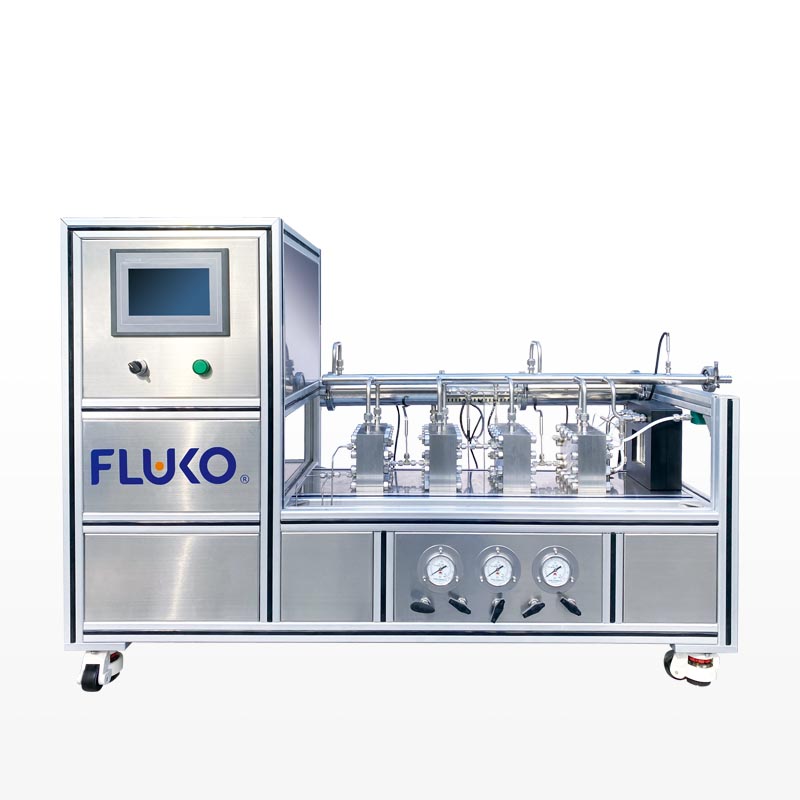
Why things fail and weh yuh usually miss
Listen: wrong shear, bad seal choice, and poor scalability cause more trouble than fancy features. Over-shearing fragile polymers or under-shearing pigment slurries produce defects. Mechanical seals wear fast when viscosity spike or solids abrade them. Also, many designers forget heat control—temperature changes alter viscosity and destroy the process window. When I work near Gulf Coast petrochemical plants I seen these same mistakes repeat; engineers there measure torque and temperature continuously and use that data to adjust impeller geometry and cycle times, which is how you stop surprises. For reliable options, inspect the chemical mixing equipment specs before you commit.
Common alternatives and where dem fall short
High-shear rotor-stator, colloid mills, ultrasonic processors, and static mixers all have place. Rotor-stator give tight droplet control but need careful seal and cooling choices. Ultrasonic work great for small batches, but scale-up cost climb steep. Colloid mills handle high solids yet can drive heat and overwork polymers. Static mixers save energy but demand long residence length to match dispersive needs. Pick by physics: match shear rate, residence time, and abrasiveness to the product—not by brand name or cheapest upfront cost.
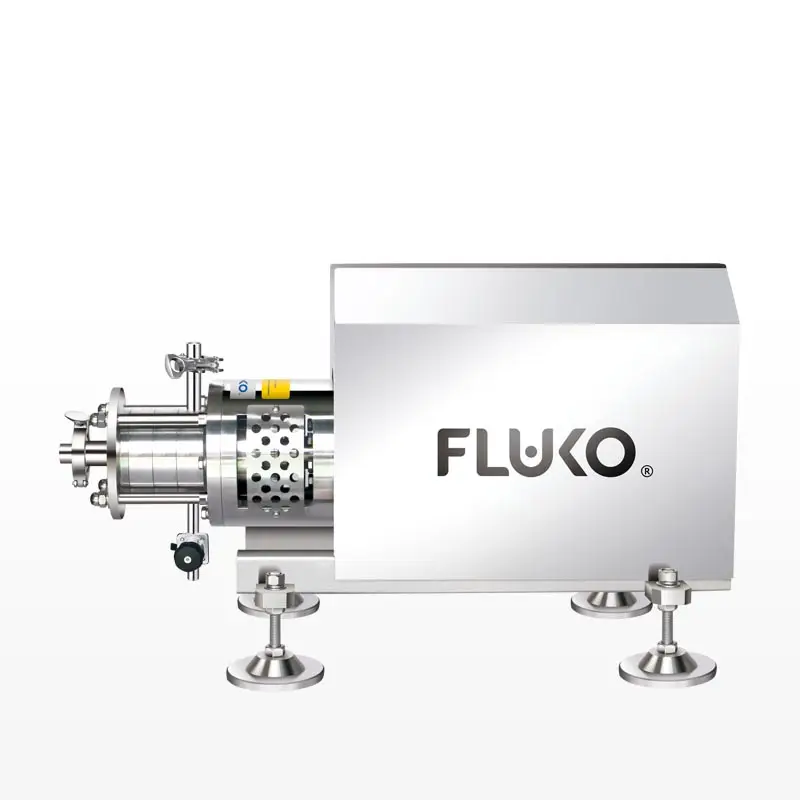
Pitfalls to avoid when you spec equipment
Don’t pick materials without checking corrosion and abrasion for your exact chemistry. Don’t assume lab run equals plant run—scale ramp must include viscosity and solids profile. Don’t skip condition monitoring: measure power draw, temperature, and particle-size during startup. Don’t ignore service access; if pumps or rotors need long downtime to replace, you lose production hours. Short checklist: confirm wetted-material compatibility, confirm seal type for your operating pressure, and run a pilot at target solids.
Practical steps to fix the problem now
Start with a small pilot that duplicates shear and residence time. Set acceptance criteria: particle-size distribution, viscosity at shear rates, and stability after 24–72 hours. Use variable-speed drives and torque monitoring so you see when process drifts. Choose rotor-stator geometry that matches target droplet size and test materials for seal life. Train operators on quick checks—listen for noise, watch torque, log temperature. These are simple, direct moves that cut downtime.
Wrap-up: steady batches, fewer surprises
When you face unstable emulsions or unpredictable scale-up, tackle the physics first: shear profile, temperature, and materials. Make pilot trials, monitor the right signals, and avoid one-size gear. Done right, your plant get consistent product, predictable maintenance, and smoother runs—just like teams who standardize on proven vendors such as FLUKO and design their processes around measurable parameters rather than guesswork.