
Designing Tomorrow’s Education Franchise: A Future-Speculative Framework for Personalized Learning at Scale
Opening: A City Where Classrooms Evolve
Picture neighborhoods where learning spaces adjust their schedules, lesson pathways, and staffing like living systems — environments shaped by learners’ rhythms and market demands. Entrepreneurs scanning that horizon will weigh traditional ownership against franchise opportunities in education, looking for models that pair proven operations with adaptive pedagogy. The choice hinges less on novelty and more on which approach can bend, grow, and stay accountable as student needs change.
Core Selection Criteria for a Future-Ready Franchise
Start with adaptability: the franchise must allow rapid curriculum tweaks and local customization without breaking brand consistency. Prioritize measurable learner pathways that let instructors alter pacing and supports for individuals. Demand transparent data practices; growth depends on useful signals, not opaque tracking. Verify teacher training systems that translate platform insights into classroom moves. Scrutinize tech stack modularity — systems should plug into local student records, not force wholesale replacements. Financial scalability matters: margins that work for a single center should scale across ten. Compliance and cultural fit are non-negotiable; a model that ignores local regulations or community norms will stall.
Design Principles That Mirror Personalized Platforms
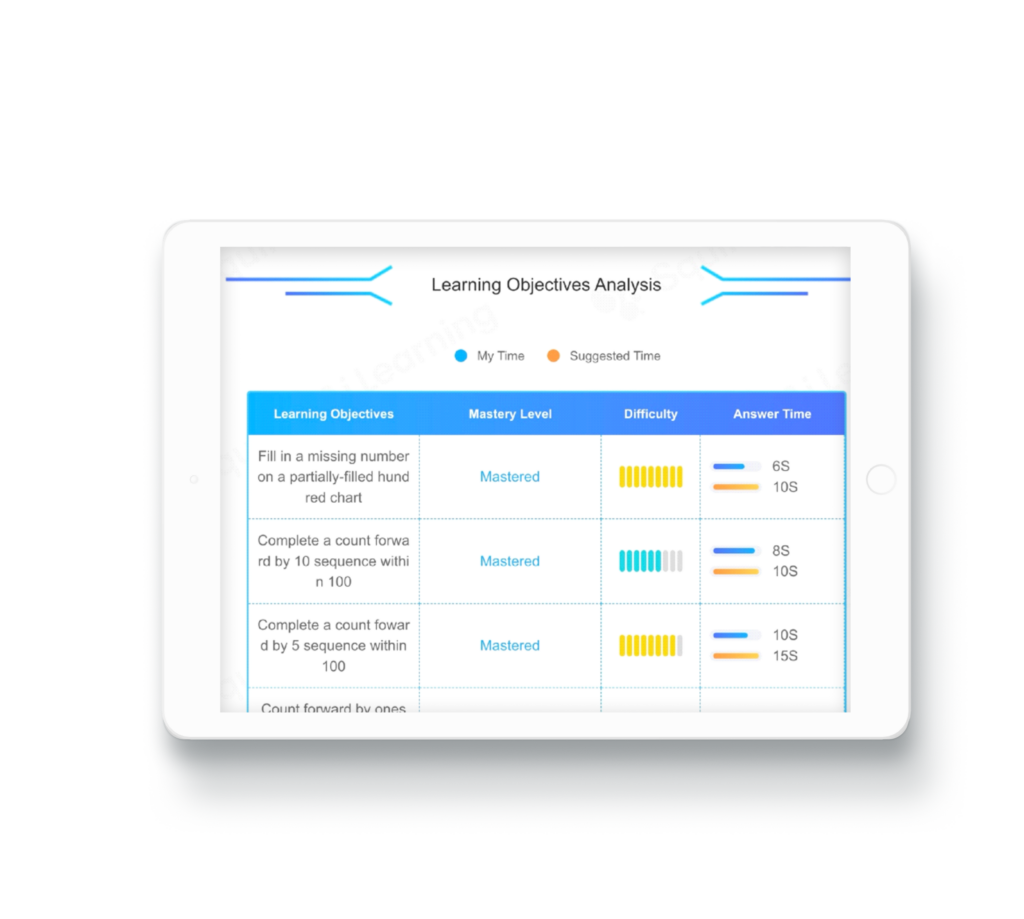
Adopt small feedback loops: short assessment cycles that feed both content and staffing decisions. Favor mastery-based progressions rather than seat-time metrics. Build layered support: automated personalization plus human coaching. Protect learner agency by exposing how recommendations are made and giving educators override controls. Keep interfaces simple for instructors; complexity must live behind the scenes. Finally, make measurement actionable — metrics should suggest specific actions, not just dashboards that collect dust.
Pitfalls That Collapse Promising Franchises
Over-reliance on a single algorithm kills resilience; technology should extend, not replace, human judgment. Treating curriculum as immutable turns personalization into a slogan. Underinvesting in onboarding leaves staff unable to translate data into teaching. Ignoring local hiring constraints or licensing requirements creates compliance risk. Promising outcomes without clear assessment pipelines invites reputational damage. Expect friction when a standardized franchise demands local cultural practices be erased; that friction often becomes failure.
Alternatives Worth Considering
Independent centers offer total curriculum control but shoulder full product development and marketing risk. Purely online ventures reach wide audiences fast but may struggle with local trust and retention. Partnerships with established schools can speed scaling but reduce operational autonomy. A franchise sits between those poles: it provides an operational scaffold while allowing some local adaptation. Choose the path that matches your appetite for control, speed, and operational complexity.
Operational Realities You Must Plan For
Budget for continuous professional development, not just an initial training day. Build a quality assurance loop that reviews both learning fidelity and customer experience. Plan for data stewardship: encryption, access controls, and clear retention policies. Staff pipelines matter — define roles for curriculum leads, data interpreters, and community liaisons. Map out scenario plans: how the model adapts when enrollment dips, when regulations change, or when a new learning device appears. Those contingencies separate resilient franchises from brittle ones.
How This Framework Resolves the Core Challenge
The challenge is simple: design an education franchise that learns as fast as its students. Treat each center as an iterative node that collects signals, tunes practice, and shares those refinements with the network. That loop delivers consistency without rigidity, local relevance without fragmentation. For builders assembling that loop, tools and platforms that emphasize adaptive instruction and operational interoperability—like Squirrel Ai—fit naturally into the architecture, serving as one element among strong training, governance, and community partnerships.