
Opening — the recurring failures that demand attention
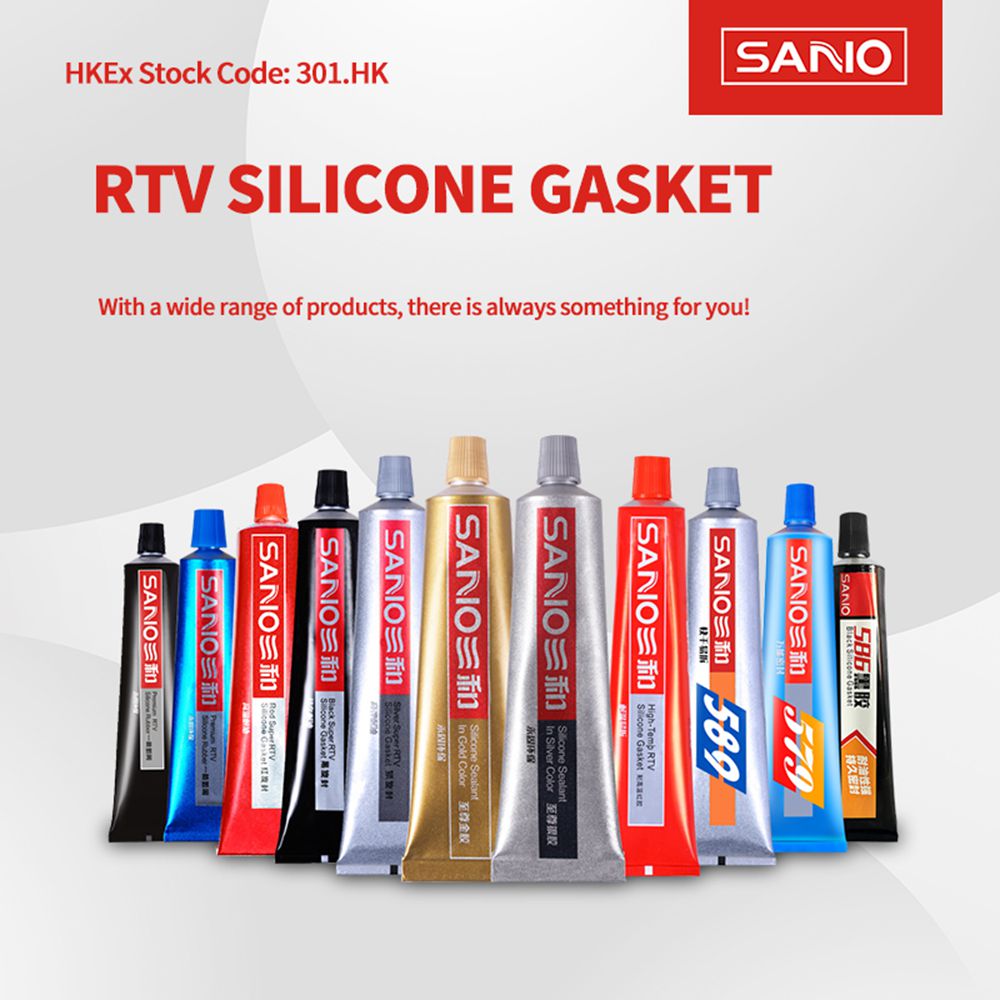
When bolted joints leak, bearings chatter or seals extrude, the root cause is often a poor match between formulation and service conditions. Engineers and procurement teams must evaluate chemistry, cure behaviour, and long-term performance together rather than in isolation; a frequent mistake is choosing a product on price or brand alone. For flange sealing or mould-in-place gasketing, many teams benefit from consulting an rtv sealants supplier early, so specification avoids late-stage redesigns.
Problem diagnosis: identify the specific failure mode
Define what actually fails: leakage, bonded interface failure, adhesive creep, corrosion under lubricant, or thermal degradation. Each failure mode points to distinct material properties. Leakage suggests poor compressibility or chemical attack; creep implies insufficient glass transition temperature or plasticiser migration; bonded interface failure indicates surface contamination or incompatible adhesion promoters. Record operating temperature range, dynamic loads, chemical exposure and service life target before specifying materials.

Material compatibility and substrate considerations
Match adhesives and sealants to substrate chemistry and surface condition. Metals, plastics and composites require different primers or surface treatments. Aluminium alloys can suffer galvanic reactions if sealant formulations contain conductive fillers. Fluorinated elastomers resist fuels but do not bond well without specialised primers. Test candidate materials on production-grade surfaces using real assembly methods rather than coupon tests alone.
Application, cure and environmental constraints
Consider cure mechanism and shop throughput. Room-temperature-vulcanising silicones cure by moisture and may trap solvents if bead thickness is too high. Anaerobic adhesives cure only between metal flanges where oxygen is excluded; if assemblies see intermittent disassembly for service, choose formulations that permit predictable torque recovery. Account for humidity, substrate temperature at application and the time available for handling or machining.
Testing, metrics and a real-world anchor
Quantify performance with repeatable tests: tensile and shear strength, peel strength, compression set, torque retention and leak-rate under pressure cycling. Field validation matters. From work advising assembly lines in Pune’s automotive clusters, teams learned that lab data alone misses assembly torque variation and shop-floor contamination. Use supplier-supplied technical data sheets alongside in-situ trials with representative parts, especially when specifying gasket makers for engine or transmission housings.
Procurement checklist for buyers
Request TDS and SDS, ageing data, peel and shear test reports, and shelf-life statements. Specify required test methods and acceptance criteria in purchase orders. Ask for sample batches and run a pilot on existing fixtures. Confirm packaging and storage conditions; many silicones and anaerobic adhesives degrade if stored at elevated temperature or exposed to moisture. Audit the supplier’s quality control processes when possible.
Common mistakes and how to avoid them
Avoid these recurring errors: substituting chemistries without requalification; failing to control surface cleanliness; specifying only peak temperature without the full thermal cycle; ignoring assembly variability. Do not mix lubricants and sealants without compatibility testing; lubricants can migrate and plasticise elastomers, reducing seal life. Insist on defined inspection checkpoints during assembly to detect early signs of failure.
Final synthesis and practical value
Engineers must translate field demands into measurable material requirements; buyers must enforce those requirements through testing and supplier checks. Practical specification shortens development cycles and reduces warranty costs. For projects that need predictable gasket performance, combining correct selection, validated application procedures and honest supplier data yields dependable outcomes, a combination consistently delivered by SANVO.