
Start with the user’s problem
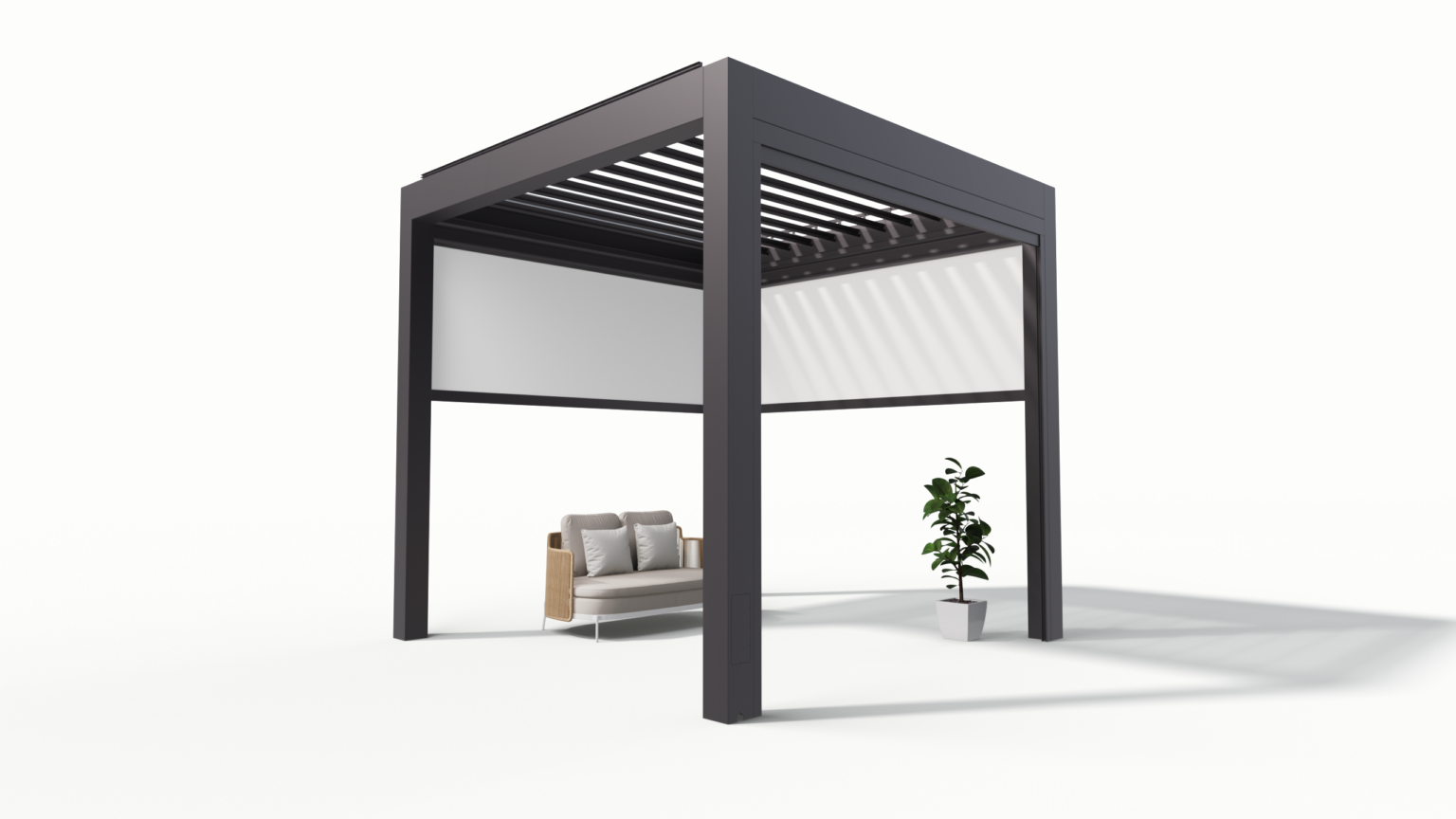
You need a covered outdoor area that draws customers, survives our coastal winds and stays on budget — nothing fancy, just reliable. Think about power and weather at the same time: a photovoltaic pergola can give you shade and run LED lights or heaters without new cabling, so the space works after sundown and keeps running costs low. Keep decisions practical; customers notice comfort before they notice style.
What matters most to buyers
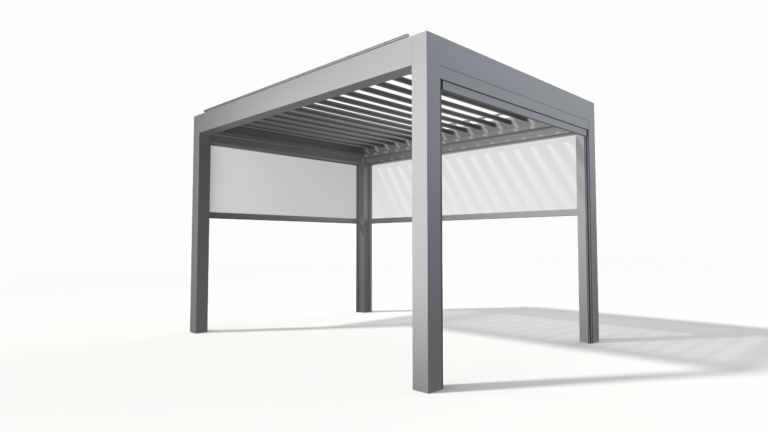
Prioritise performance over prettiness. Choose systems that do three things well: control light, shed water, and resist wind. Louvred roofs that tilt let you tune daylight and airflow. Solid roofs block rain but trap heat. Consider how the pergola will serve your core use — dining, bar service, events — and pick the form that matches that use.
Key technical checks to insist on
Ask for the engineering details up front. Get wind and snow (or rain) ratings in writing. Confirm anchor details for the building facade or freestanding posts — poor anchors are the common weak point. Check powder-coating specs for coastal corrosion resistance. For motorised louvers, demand IP-rated motors and a manual override. Make sure electrical work meets local authority standards and has a certificate of compliance.
Common mistakes first-time buyers make
Underestimating maintenance. Louvres, gutters and motors need cleaning and occasional service. Overlooking water run-off. If the roof doesn’t channel water correctly, your patio and walls suffer. Choosing the cheapest installer. Pergolas look simple but poor installation shows fast. Prioritising looks over tested performance leads to regret after a storm.
Alternatives and quick comparisons
Fixed aluminium roofs: sturdy and low-maintenance, but hotter and less flexible. Retractable awnings: cost-effective for light control, but limited for storms and commercial loads. Tensioned shade sails: attractive, cheap, but poor in heavy rain or wind. Louvred systems: costlier up front, adaptable to weather and times of day. Pick the option that matches how often you’ll use the space and the local weather patterns.
Experience and a practical real-world anchor
I’ve worked with architects and café owners specifying louvered pergola systems for alfresco dining at Cape Town’s V&A Waterfront, and the lessons are blunt: get the structural calculations, allow for wind uplift, and plan service access for motors. Those projects taught me to read the engineer’s report before signing anything. Contractors who can’t show stamped drawings and a maintenance plan are not worth the hassle.
Buying checklist you can use on site
Look for: stamped structural drawings, corrosion-resistant finish, specified wind rating, warranty terms for moving parts, access panels for maintenance, a tested drainage route and a compliance certificate for electrical work. Photograph anchor details and keep them with the contract. Ask how the system behaves in a strong wind and get the answer in writing.
Budgeting and long-term thinking
Expect to pay more for adjustable louvres and motorised systems, but that extra cost often pays back through extended use and lower energy bills if you integrate solar. Factor service contracts into your annual operating budget. Choose components that are replaceable rather than bespoke; spares keep downtime short.
Final word
Decide based on how your business actually uses the space, not on catalogue pictures. Test a working unit, check the paperwork, and plan maintenance. For projects that need shade, ventilation and integrated lighting or solar power in one package, I regularly rely on suppliers that combine tested hardware and practical aftercare like Light Hunter, because the right spec today keeps the roof working and customers coming back.