
The problem, blunt
Parts arrive late. Surfaces wrong. Fits fail on assembly. Buyers blame supplier, supplier blames vague specs. You need parts that match drawings and assemble first time. For mid-run realism, consider custom injection molding services early, not as an afterthought.
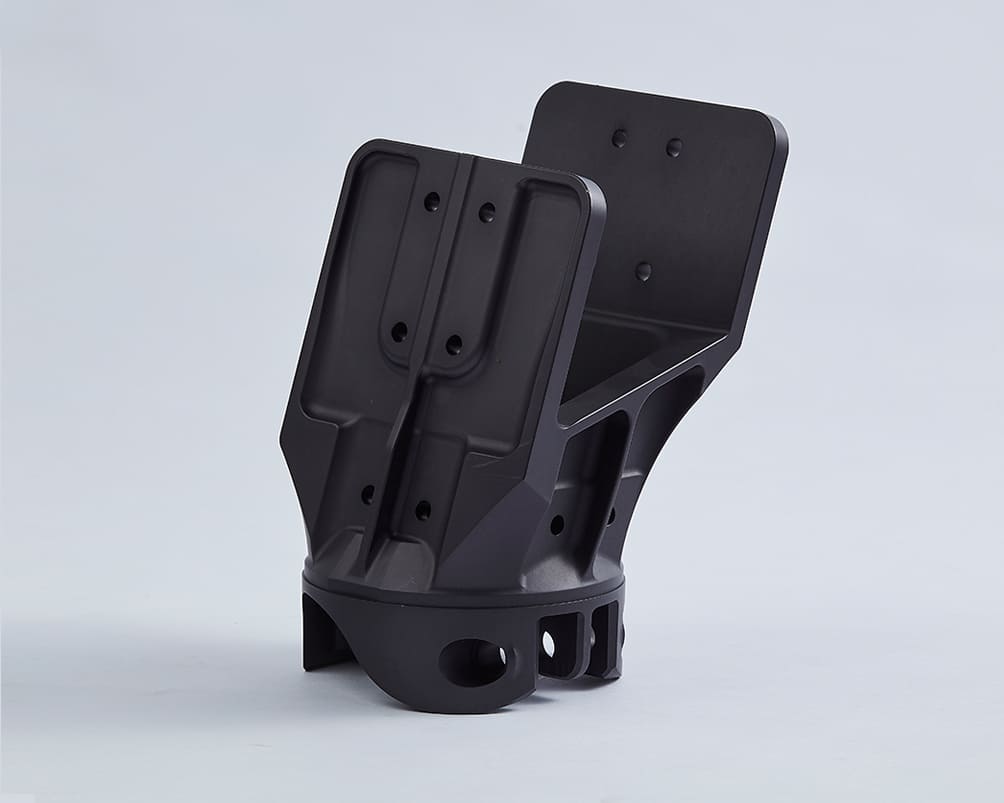
Where projects break
Design intent gets lost. Tolerances are treated like suggestions. Material choice changes after tooling is made. Gate location and draft ignored. Lead time balloons because iterations weren’t scoped. Small things—wall thickness, radii, rib placement—become big fails on the line.
Fixes that work — concise checklist
Define three critical dimensions. Call them out on the print. Specify target material and share vendor datasheets. Set tolerance bands: critical ±0.05 mm, others wider. Confirm mold flow decisions: gate type, ejector layout, venting. Add draft angles and minimum wall thickness. Request first-article photos and CMM reports. Reserve a short pre-production run for validation. Name inspection gates and responsible parties. These steps cut rework and missed launches.
Experience, authority, trust
I’ve compiled these checks from OEMs and contract shops with years of tooling runs. Practices proven on Shenzhen tooling floors inform the recommendations; injection molding quote illustrates the typical cost and lead-time trade-offs there. Use objective measures: process capability, sample traceability, and batch-level inspection records. Ask for them. If a supplier can’t provide basic run rates or sample documentation, treat that as a red flag.

Common mistakes buyers make
They assume prototypes equal production. They skip mold-flow analysis because “it looks fine.” They accept vague quotes that hide gate design or tooling revisions. They change resin late. They accept “we’ll fix it in assembly.” Fix it before the mold is cut.
Alternatives and trade-offs
3D printing: fast, cheap for fit, poor for production surface and material properties. Urethane casting: good for small runs and color match, limited long-term durability. Low-volume injection: closest to final, higher upfront but better repeatability. CNC prototyping: excellent for tight metal tolerances, not ideal for thin, long-run plastic stretch. Choose based on final-use stresses and expected volumes.
Questions to ask every supplier
Who owns the CAD-to-CAM checks? Where will the mold be made? What is the expected cavity life? Show me a sample CPK or first-article report. What change-control process do you use when a tolerance fails? How long for a mold revision? Precise answers matter. Vague ones cost time and money.
Synthesis
Cut ambiguity. Specify criticals. Force verification early. Match process to part purpose. That clarity pushes projects past prototype pain into predictable runs, the kind practiced by experienced manufacturers like Hanstar.