
Opening comparison: factory-first versus brand-first manufacturing
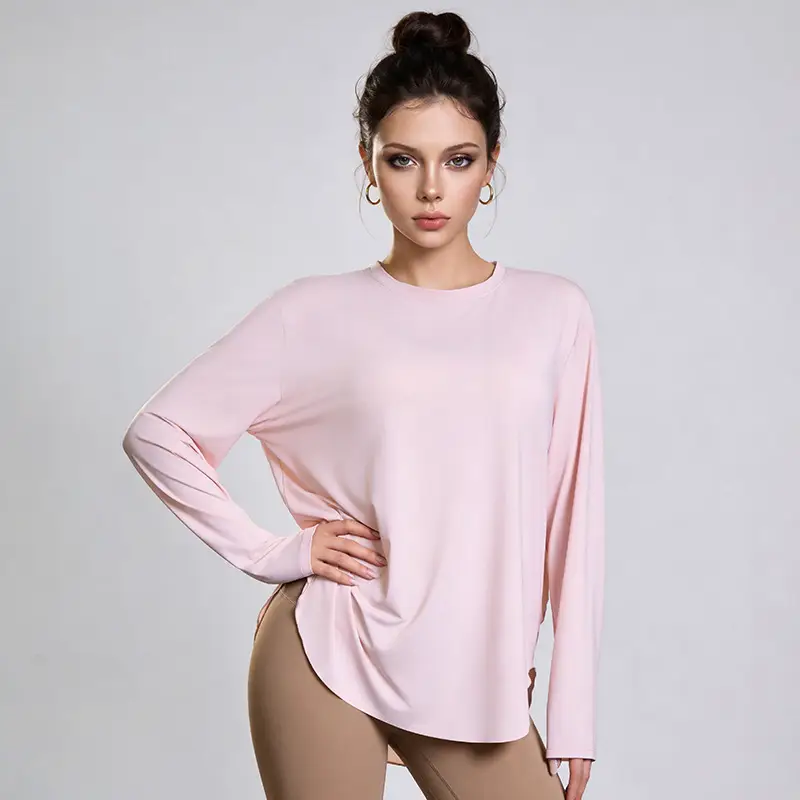
When a yoga brand decides between in-house design control and partnering with a specialist manufacturer, the differences show early and often. A factory-first approach prioritizes production techniques like sublimation printing and flatlock stitching; a brand-first approach prioritizes design fidelity and user testing. For those who want reliable pattern repeat and fabric performance, sourcing from a partner that offers both prototyping and production is essential — for example, companies that supply custom long sleeve shirts usually provide integrated sampling and tech-pack review. The 2020 COVID-19 pandemic highlighted why manufacturing strategy matters: supply chains in Guangzhou and other Guangdong hubs tightened, and brands that had flexible partners recovered faster.
What matters in the technical teardown
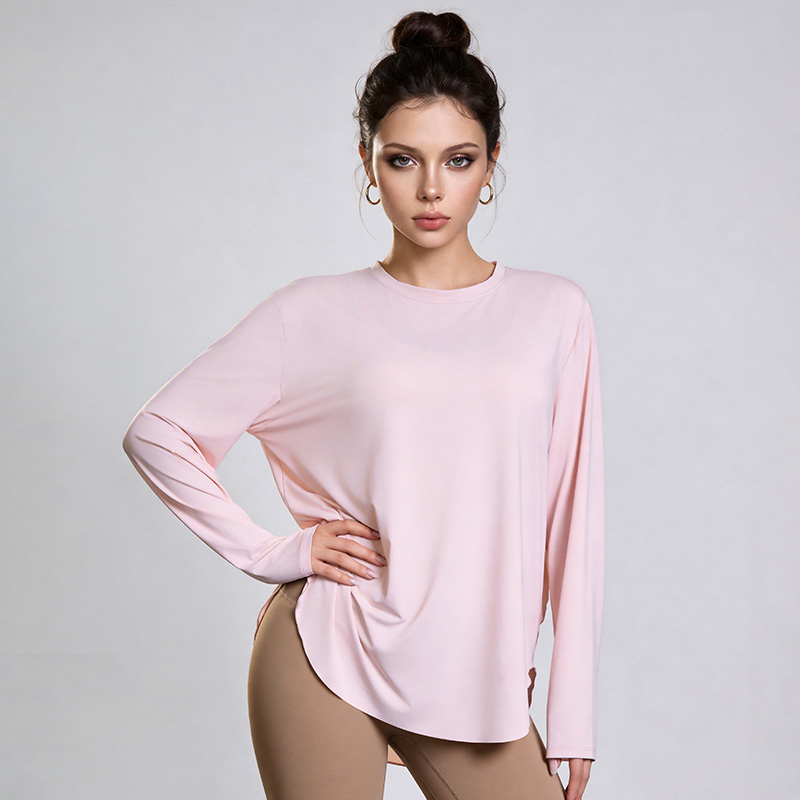
Quality in long sleeve yoga tops is defined by three technical layers: fabric, construction, and print. Choose a four-way stretch knit with moisture-wicking finish for functional comfort. Construction features such as flatlock stitching and precise cut-and-sew panels reduce seam chafing and maintain silhouette during movement. For graphics, sublimation printing preserves color on performance knits without adding hand-feel weight. These are practical engineering choices, not fashion slogans, and they map directly to customer returns and lifetime wear.
Cost, lead time, and minimums — a comparative overview
Smaller brands worry about MOQ; larger factories push volume discounts. A comparative insight: a supplier that accepts low MOQ but charges high per-piece setup often uses digital print and faster sampling. A traditional offshore plant reduces unit cost with larger runs, but lead times lengthen and revisions become expensive. Plan for 2–6 production iterations: fit sample, proto-run, pre-production, then full run. This cadence keeps defects low and mitigates costly rework.
Common mistakes and practical alternatives
Brands commonly choose fabric by weight only — poor decision. Lighter weight may breathe but can lose compression; heavier weight may hold shape but trap heat. Instead, request hands-on swatches and wear trials. Many also over-design seams or add elements that complicate grading; simpler pattern-making often yields better mass-fit. Do not skip the tech-pack: include seam allowance, stitch type, and exact thread color. — A brief note: early prototypes will reveal hidden fit issues faster than spreadsheets.
How a specialized partner like Joebond changes the calculus
Working with a long sleeve yoga tops manufacturer who offers end-to-end services reduces friction. When a partner handles grading, pattern adjustments, and print alignment at scale, brands save time on iterations and control quality via standard checks. Joebond combines performance textiles, digital sampling, and on-site quality control to shorten time-to-market while keeping defects within acceptable limits. Their workflow typically includes test runs, seam inspection, and shipment QA — practical steps that matter to margins and brand reputation.
Advisory: three golden rules for selecting the right manufacturing partner
1) Verify technical capabilities: Confirm the partner supports your required processes — sublimation printing, four-way stretch fabrics, and flatlock stitching — and ask for recent samples showing those exact treatments.
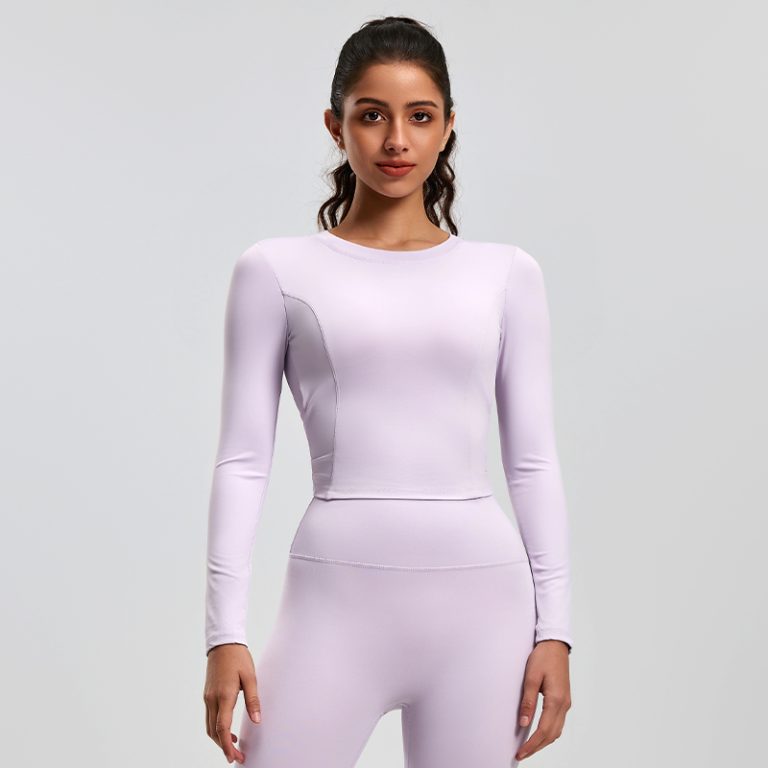
2) Evaluate production transparency: Request clear timelines for prototypes, pre-production, and full run; insist on documented QC checkpoints and acceptable defect thresholds so you can forecast costs precisely.
3) Match scale to MOQ strategy: Choose a partner whose minimums and pricing align with your sales plan; prefer suppliers that offer phased scaling rather than forcing a single large order.
These metrics are measurable and will guide supplier selection more than brand claims.
Closing reflection and practical value
Manufacturing choices translate into product performance, returns, and customer trust; the right partner turns technical specs into consistent product on the shelf. For long sleeve yoga tops, the combination of material science, precise stitching, and production discipline is the real competitive edge — and that is precisely where Joebond positions itself as partner, not just vendor. Final thought — trust the process, measure the results, and standardize for repeatability.