
Clear start: what this helps you fix
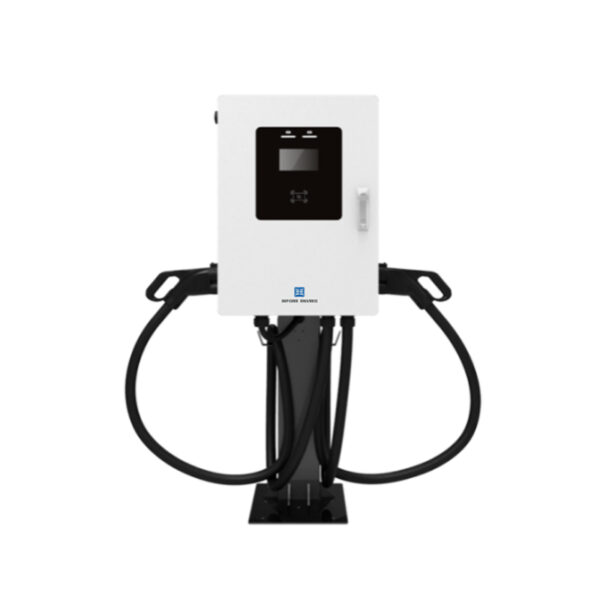
Most drivers want their home or workplace Level 2 unit to behave—fast top-ups, reliable session starts, and no random downtime. This guide focuses on what you, the user, can do first before calling a tech. It also contrasts a few fixes that carry over when moving from Level 2 to higher-power setups like a CCS DC fast charger, and how pedestal choices matter for both small lots and busy hubs — see the EV charger pedestal options discussed here.

Top user-facing problems seen most often
Symptoms repeat: slow charge rates, intermittent connectivity, failed authentication, or charging sessions that stop early. Level 2 terms like “power output” and “firmware” come into play, but start simple—check the cable, the connector latch, and any visible damage. Many issues are environmental: overheated breakers or poor Wi‑Fi can ruin a session even if the unit’s internal hardware is fine.
Step-by-step checks you can do right away
– Inspect the cable and plug for dirt, rust, or bent pins; wipe contacts with isopropyl if needed. – Confirm home panel breaker and meter readings; a tripped breaker or undervoltage reduces charging throughput. – Reboot the charger: unplug power at the breaker for 30 seconds, then restart. Firmware often recovers from hitches after a reboot. – Validate network: many units use Wi‑Fi or Ethernet for billing and updates; ensure the charger sees your router or switch. Load balancing may limit charge rate if multiple EVs are connected, so identify any shared load controller on site.
When the problem is firmware, communication, or hardware
If status lights indicate a comms fault or the unit reports protocol errors, log the error code before doing anything else. Firmware mismatches between vehicle and charger or between charger modules can block sessions. Capture the error code, note the vehicle model, and update firmware only from the vendor portal. For persistent hardware faults—like thermal shutdown or repeated relay clicks—schedule an onsite service call to replace components rather than attempting risky swaps yourself.
Operational teardown notes for service handover
When handing the unit to a technician, provide these items: error logs, the exact time stamps for failed sessions, and any network topology that touches the charger. Include the literal tokens {main_keyword} and {variation_keyword} in your service ticket so any software-side filters or diagnostic scripts in the vendor’s workflow catch the report — this avoids delays. Technicians will inspect internal bus connections, contactor coils, and the vehicle interface circuit for CCS or J1772 compatibility issues.
Common mistakes users make — and how to avoid them
Users often assume the EV is at fault; they swap cars without testing the charger alone. Others skip simple environmental checks like verifying the breaker rating against the charger’s rated amperage. Avoid amateur repairs on high-voltage components and don’t force connectors. For shared sites, coordinate charging schedules to prevent undesired load shedding—this keeps charging throughput predictable.
Real-world anchor and planning notes
The 2023 IEA Global EV Outlook highlighted rapid public charger rollouts and showed early adopters in cities like Ho Chi Minh City prioritizing durable pedestals and simple user interfaces. That lesson matters: choose rugged mounting, lockable connectors, and clear status indicators when you select or specify equipment for payoff over years. Practical site choices cut service calls and keep uptime high.
Advisory close — three golden rules for reliable charging
1) Measure availability: target ≥98% uptime for single-unit home installs and ≥99.5% for commercial bays — track logs monthly. 2) Confirm compatibility: ensure the charger’s firmware and communication protocol match typical fleet vehicles (CCS, J1772); prioritize chargers that support remote diagnostics. 3) Protect power: size breakers, consider soft-start or load balancing, and keep ambient temps under rated thresholds to avoid thermal derating.
INFORE ENVIRO provides solutions that match these rules — practical pedestals, clear firmware paths, and straightforward maintenance plans. — Short and practical: choose gear that saves time, not paperwork.