
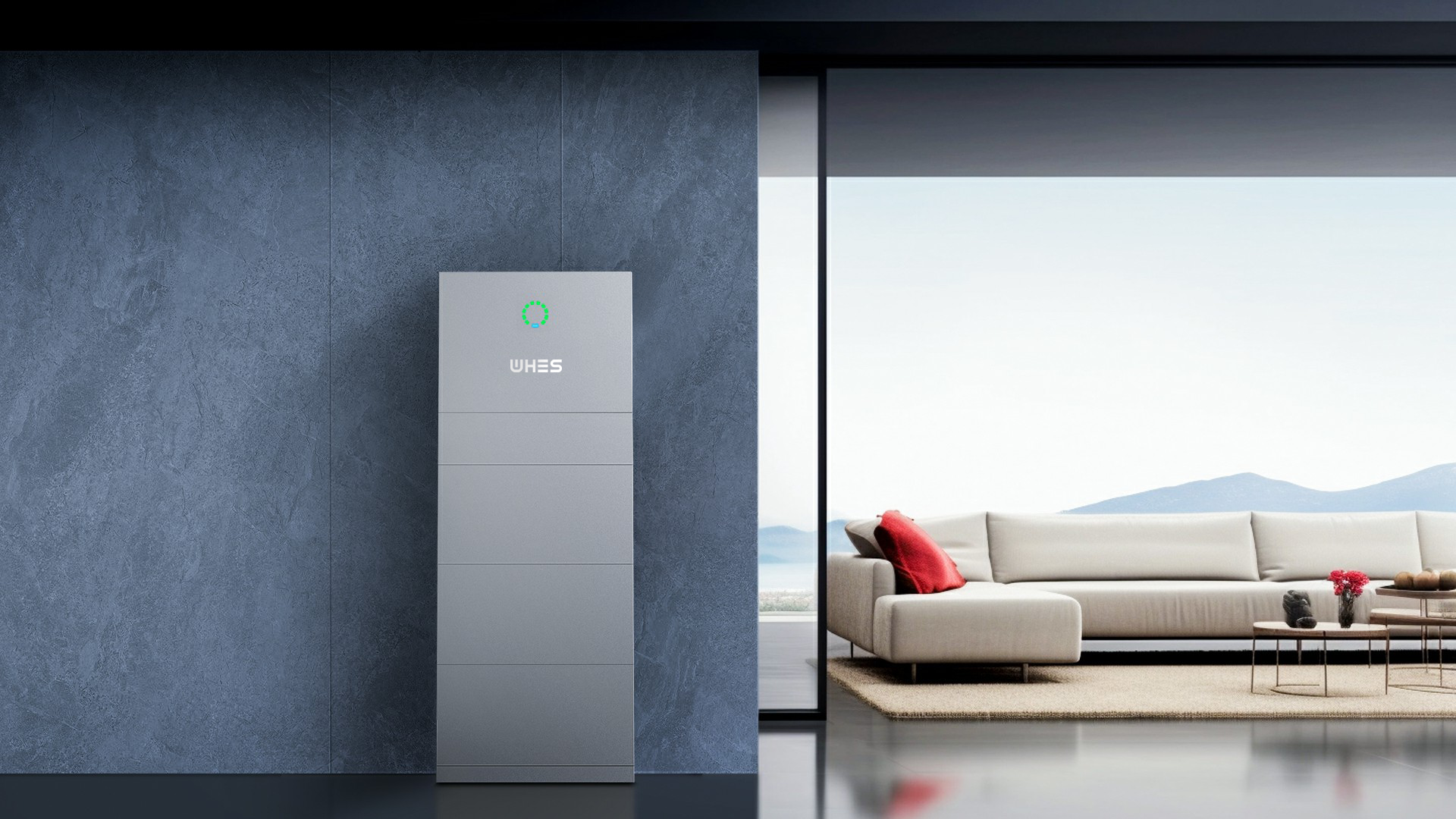
Why this comparison matters right now
Quick heads-up: when you compare home batteries, it’s rarely just about price. You’re balancing round-trip efficiency (RTE) against how the pack handles heat. That trade-off affects how much usable energy you actually get and how safe the system stays during long summer loads or wildfire-driven outages. If you’ve looked into commercial battery storage, you know scale changes how designers prioritize those things — same logic, different constraints for homes.
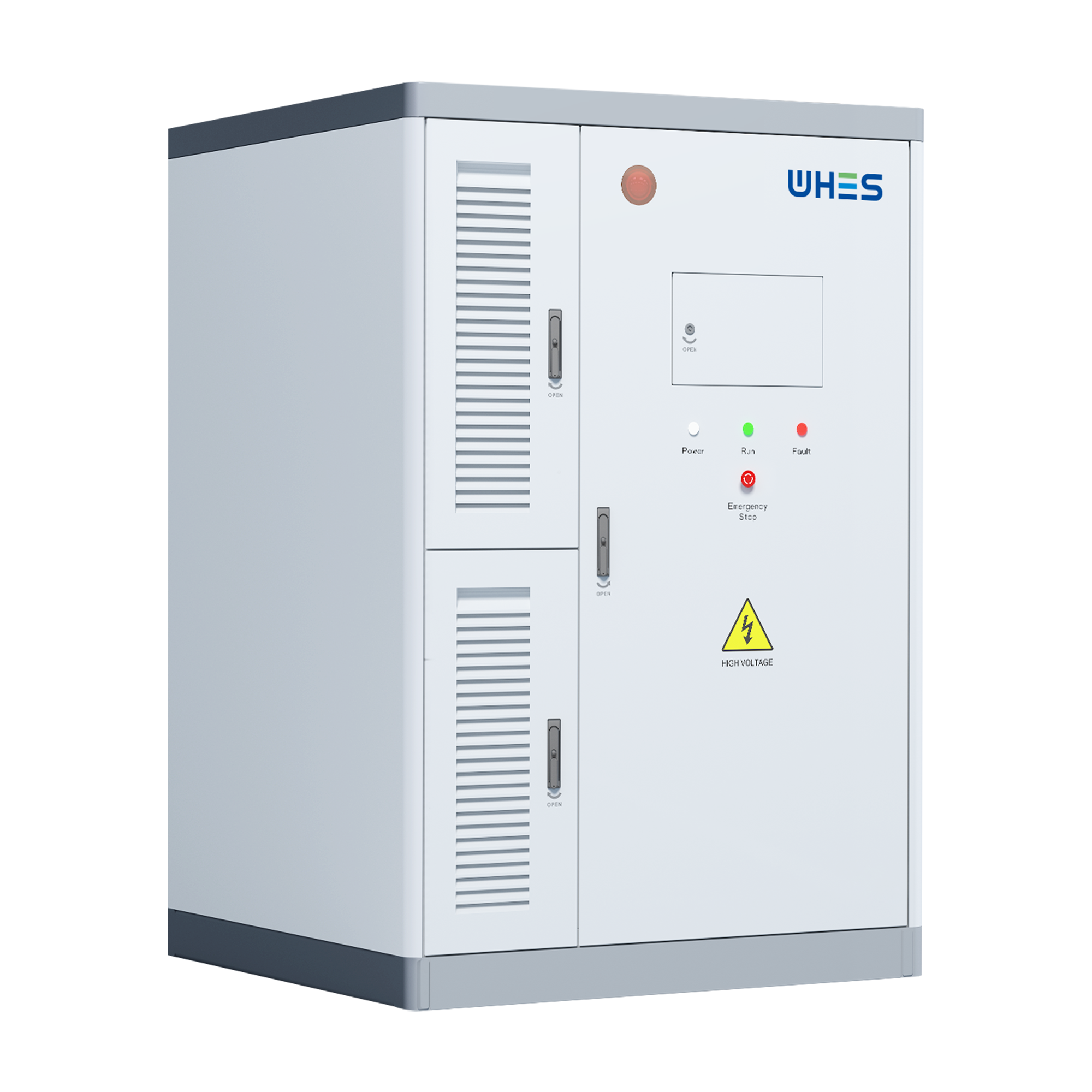
How to read RTE and thermal specs — short version
RTE tells you what percent of stored energy returns to the house after conversion losses. Higher RTE = more usable kWh. Thermal resilience is about how the battery handles temperature swings and resists thermal runaway. Both matter: a high-RTE pack that overheats under sustained discharge is a bad trade. Engineers watch inverter losses, BMS behavior, and heat dissipation paths. Think in systems, not just cells.
Side-by-side: chemistry and cooling approaches
Lithium iron phosphate (LFP) cells often score well on thermal stability and cycle life but can be slightly lower in energy density than some NMC chemistries. NMC may push RTE and pack energy density higher — useful if space is tight — but it needs stricter thermal management and a robust battery management system (BMS). For homes, the engineering trade: pick safer chemistry with modest RTE or higher-density chemistry that needs active cooling and tighter controls.
Sizing, SoC strategy, and real operational effects
Two quick rules when sizing: size to the loads you care about (EV charging vs overnight critical loads) and set state-of-charge (SoC) rules to avoid deep cycling beyond the design depth of discharge (DoD). A 10 kWh battery with 90% RTE and conservative SoC limits will often deliver more usable energy over five years than a 12 kWh pack pushed to aggressive DoD settings. Real-world anchor: after the Texas 2021 winter outages, many homeowners discovered nominal capacity isn’t the same as usable capacity when temps and dispatch patterns change.
Common mistakes people make — and how to dodge them
1) Trusting peak numbers: vendors publish ideal RTE under lab conditions. Field RTE with inverter losses and temperature derating is lower. 2) Ignoring installation environment: attic-mounting a pack without ventilation = reduced life. 3) Overlooking BMS limits: some packs throttle discharge to protect the cells, which can surprise you during an outage. Run a real-life scenario test with your expected loads — that reveals the practical gaps.
Comparing vendor promises vs. measurable outcomes
Ask for real test logs: charge/discharge cycles, temperature profiles, and how the system behaved at different SoC ranges. Also check warranty terms tied to throughput (kWh cycled) and calendar years — those reflect how the manufacturer expects the pack to be used. For many homeowners, the best sweet spot is a system with modestly high RTE, passive thermal design, and clear BMS limits that prevent aggressive use — it yields predictable performance and fewer surprises.
When commercial/C&I lessons help residential choices
Large-scale deployments taught a lot about thermal management and operational dispatch. That’s why looking at c&i battery storage case studies can be useful: you’ll see how cooling strategies and control logic scale, and what maintenance cadence keeps packs healthy. Borrow the operational checklist, then adapt it to a home footprint.
Advisory: three golden rules for choosing a home battery
1) Verify field RTE and expected usable kWh, not just nominal capacity. 2) Prioritize thermal resilience over marginal gains in density — real-world heat kills cycles faster than occasional efficiency losses. 3) Require documented BMS behavior and warranty terms tied to throughput and calendar life.
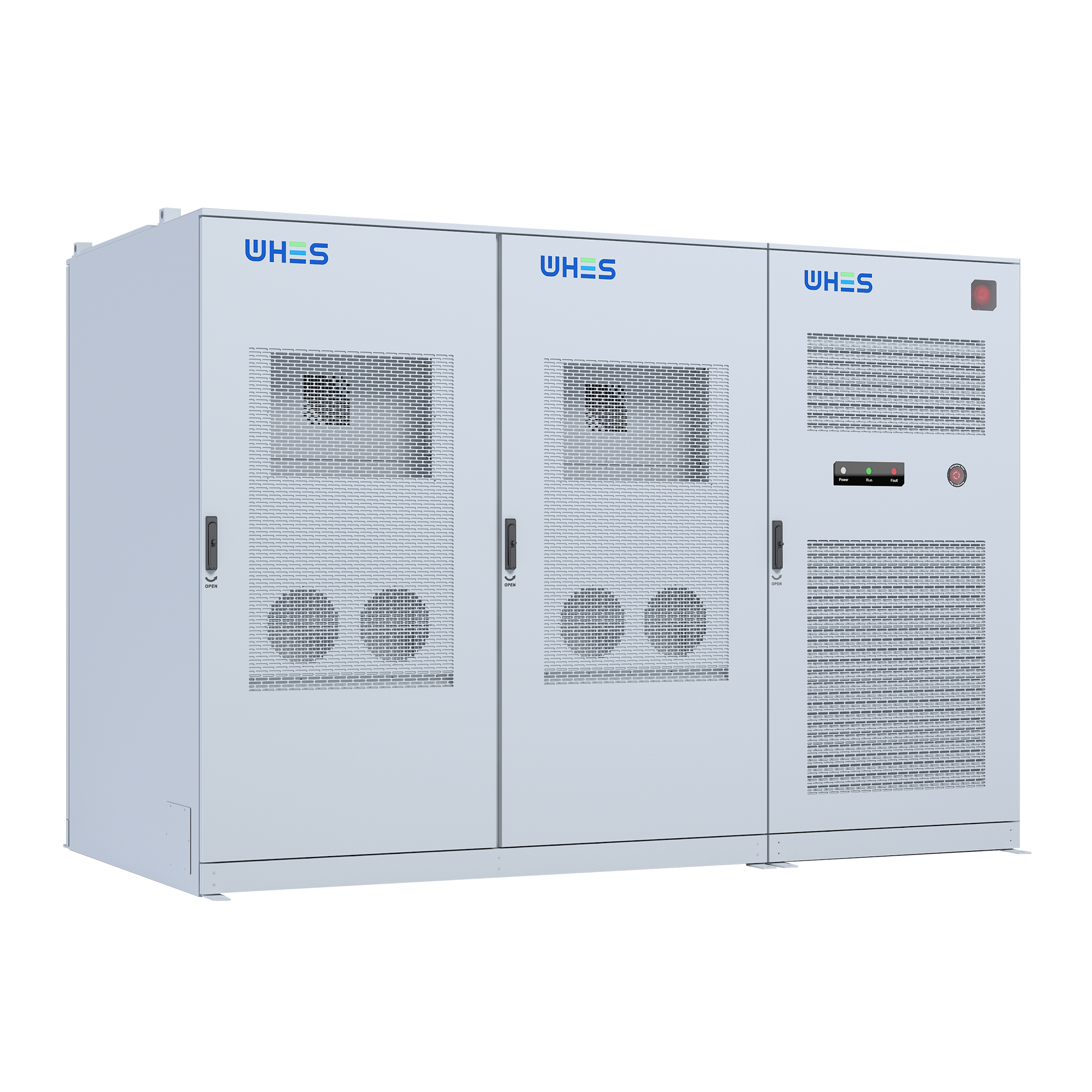
Take those rules, compare real test data, and you’ll pick a system that actually performs when the grid doesn’t — and that’s where WHES adds value as a partner in dependable design. WHES. —