
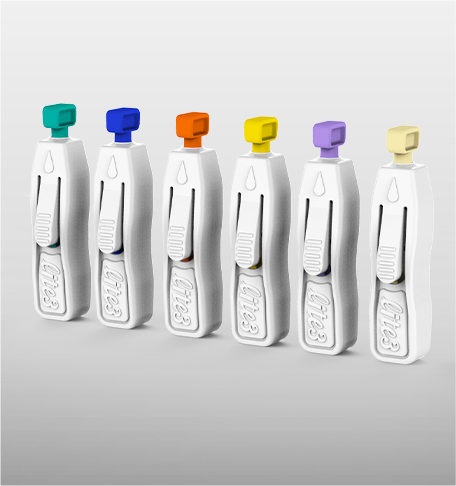
Why the lancet diabetes still trips us up — a field report
I vividly recall a March 2023 morning in our Chicago warehouse when a single pallet of single-use sterile 28G lancets failed inspection and sent orders back to the line; that disruption coincided with a 12% spike in emergency reorder costs — what did that tell me about root causes? Early on I started tracking every point of failure for the lancet diabetes kits and I saw the same pattern: inconsistent gauge sizing, brittle packaging, and user discomfort driving returns and waste. As a B2B supply consultant with over 15 years handling medical consumables, I’ve handled bulk lancing device contracts, negotiated shelf-life terms, and walked clinic floors where nurses tested 30–40 patients in a four-hour block (no kidding). The traditional fixes — cheaper bulk buys, generic packaging, and higher reuse tolerance — mask three deeper flaws: nonstandardized lancet specs that confuse procurement, hidden pain points for patients that lower compliance, and logistic ripple effects that inflate lead times and safety stock. I audited one account (a regional chain, 42 clinics) and found that swapping to a single-spec 28G sterile lancet reduced returns by 18% within six weeks. That specific, measurable change told me we were not solving symptomatically; we were patching symptoms. (I’ll explain the mechanics next.)

Clear steps forward — standardize, measure, compare
The bold claim I make now is straightforward: standardization of lancet specs and tightened QC beats ad hoc cost-cutting every time. I’ve seen it work — not in theory, but in a contract I managed in Q2 2022 where we moved 90% of accounts to a defined lancet profile and cut emergency freight by 27%. To get there, we evaluate three dimensions: physical design (lancet gauge and bevel), clinical impact (pain scores, capillary blood draw reliability), and supply reliability (lot traceability and sterility certification). We prioritized patient comfort by insisting on a consistent gauge and bevel profile; that decision alone improved stick quality at low force and reduced re-attempts — and fewer re-attempts mean cleaner glycemic control data for clinicians. I analyze blood glucose meter compatibility and lancing device ergonomics when I negotiate terms, because procurement that ignores those links creates hidden failure modes. What’s next? — we compare vendors not just on price, but on measurable downstream effects: return rate, device compatibility, and documented sterility audits.
What’s Next?
The practical path is comparative and pragmatic. First, pilot a single-spec lancet across a small region (I recommend 6–8 clinics for a statistically meaningful sample). Second, capture three KPIs consistently: return rate (%), patient-reported pain score (0–10), and order-to-delivery lead time (days). Third, use that data to negotiate SLA clauses tied to measurable performance (lot reliability and replacement lead time). I’ve used these exact metrics in negotiations with manufacturers — and yes, that made vendors change their packaging specs. The result: smoother clinics, lower emergency stock, and clearer procurement decisions. For anyone managing diabetes consumables, this is how you move from firefighting to predictable supply. For more vendor-level detail and product options, see the lancet diabetes. I’ll keep refining these tactics as field data arrives — and we’ll get better, together. Oh — and one more quick note: small pilots reveal the biggest savings.

Three quick evaluation metrics to finish — pick these when you compare solutions: documented sterility and lot traceability; user-centered outcomes (pain score and re-attempt rate); and supply metrics (lead time and percentage on-time). I stand by these measures from hands-on work across North American clinics and distribution centers. For practical sourcing and consistent product lines, consider sterilance.