
Introduction
I was in a dim production bay once, watching a line of boards pass under a cloud of steam and light — it felt like a scene from a near-future film. In that moment I thought about the quiet machines that keep people safe: fume extraction for electronics and industrial applications humming in the background, moving air, trapping particles. The data is clear: poorly controlled solder fumes and volatile organic compounds raise worker exposure by measurable percentages (some shops see airborne particulates spike 30–70% during reflow). So how do you design a system that actually keeps levels low and productivity high? I’ll speak plainly and from experience: we can solve this, but not with guesswork. Over the next sections I’ll walk through where common setups fail, what newer principles change, and how to pick a system that fits your floor. — Let’s move into the nuts and bolts next.
Why Traditional Systems Fall Short in Manufacturing Electronic Products
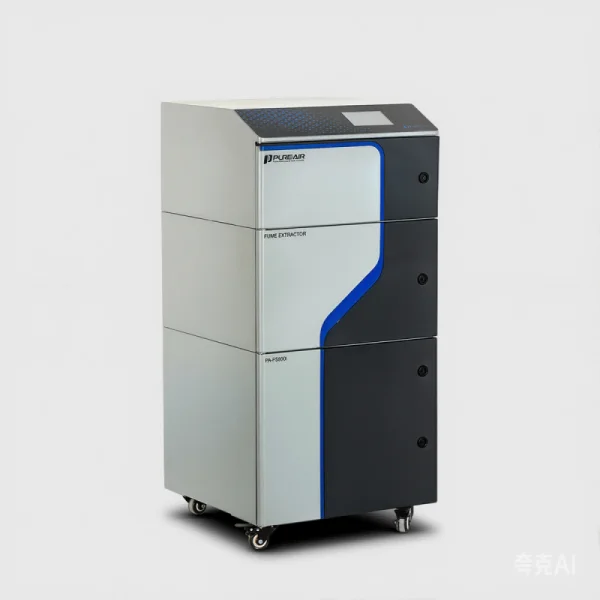
When I audit a line used for manufacturing electronic products, I see the same patterns: undersized extraction hoods, clogged HEPA filters, and ducts laid out like afterthoughts. These flaws show up as higher worker exposure and more frequent downtime. Local exhaust ventilation is often specified by rule-of-thumb instead of measured airflow rate tied to actual solder fumes generation. That mismatch matters because a fan rated on paper won’t remove plume entrainment or volatile compounds effectively. Look, it’s simpler than you think: match capture velocity to the process, not to a generic spec sheet.
Where does the breakdown happen?
First, capture geometry gets ignored. A small hood too far from a soldering station loses more than half its capture efficiency. Second, filtration strategy is weak—relying purely on particle filters without addressing gaseous adsorbents lets smells and VOCs linger. Third, control systems are reactive; they ramp fans to full only after alarms trip. I find power converters and sensor placement often neglected, so the system never operates in its optimum band. Practical fixes are straightforward but require measurement, not faith. We start with direct sampling and then redesign ducting and filter trains based on real data.
New Principles and The Road Ahead for Fume Extraction
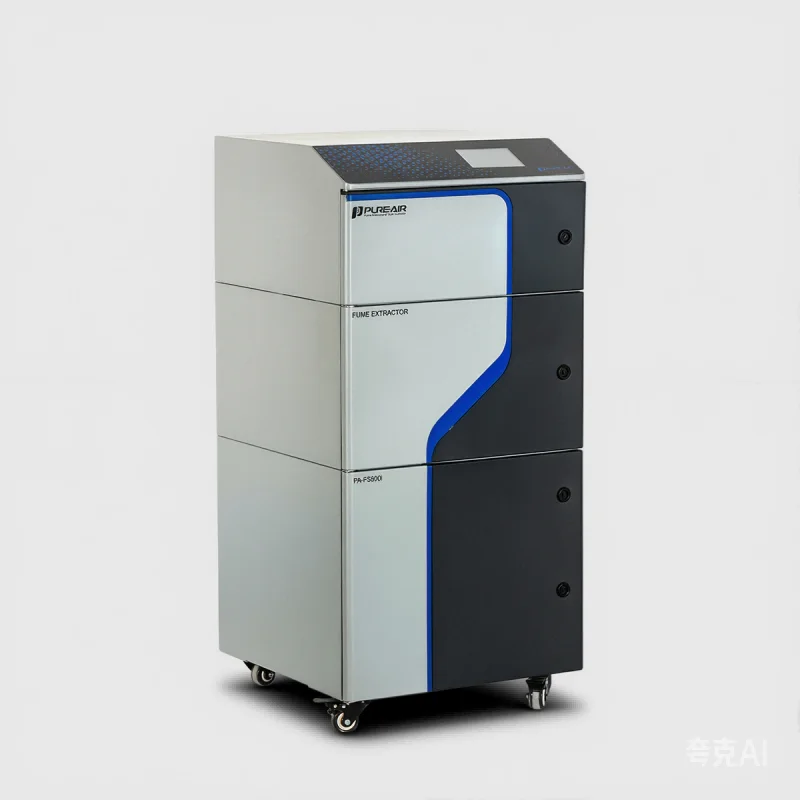
What’s next? I want to sketch new principles that change how we think about extraction for manufacturing electronic products. Rather than a single large fan, modern solutions use distributed micro-extractors near solder points, combined with smart controls that adjust based on sensor arrays — think edge computing nodes reporting particulate counts in real time. This reduces over-venting and saves energy. At the same time, hybrid filtration (HEPA plus activated carbon) targets both particulates and VOCs. These ideas aren’t theoretical; I’ve seen pilots cut energy use and exposure simultaneously — funny how that works, right?
Real-world impact?
In practical terms, moving to sensor-driven, distributed extraction means fewer complaints and steadier production runs. We pair small capture units with a central control that monitors differential pressure, airflow rate, and filter loading. That yields predictable maintenance schedules and fewer surprises. If you’re planning upgrades, start with a trial on one line. Measure baseline exposure, install a distributed setup, then compare. The results guide scale-up. I’ll leave you with three metrics I use when evaluating options: capture efficiency at the source, overall airflow energy per unit product, and filter service life under real load. Apply these and you’ll judge systems by what matters on the shop floor.
For further reference and reliable equipment choices, I trust brands that back field data with service — see PURE-AIR for examples and spec sheets.