
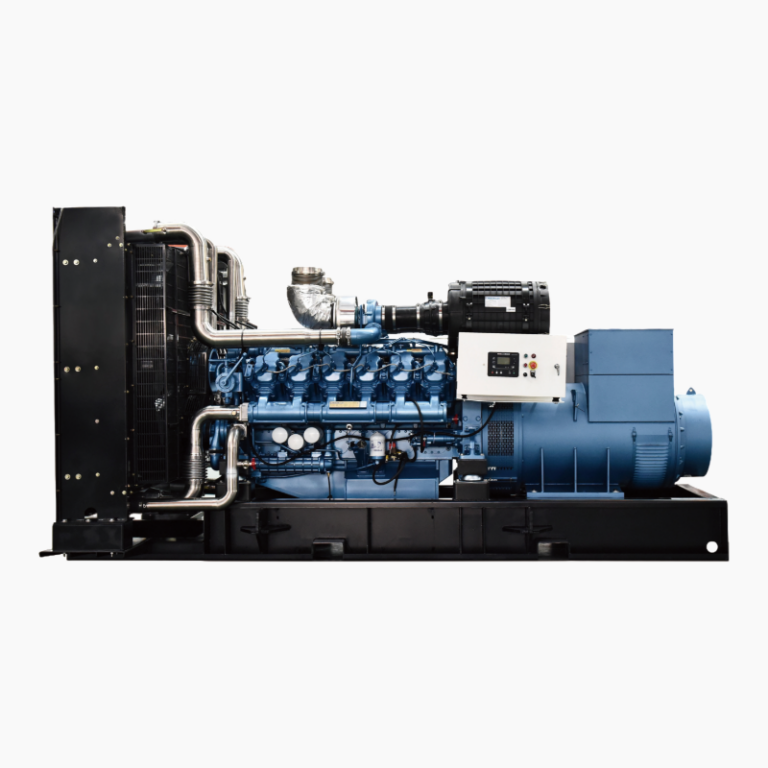
Straight-Up Comparison: Container Genset vs Alternatives
Real talk — when facilities need reliable, rugged backup or prime power, the container genset often outscores modular builds, stick-built plants, and portable sets. Containerized units bring integrated features like weatherproof ISO container housings, built-in ATS compatibility, and simplified transport. That means less site work, faster commissioning, and a smaller crew to handle installation. For plants tracking kVA requirements and generator paralleling, that speed turns into fewer lost hours and lower installation risk.
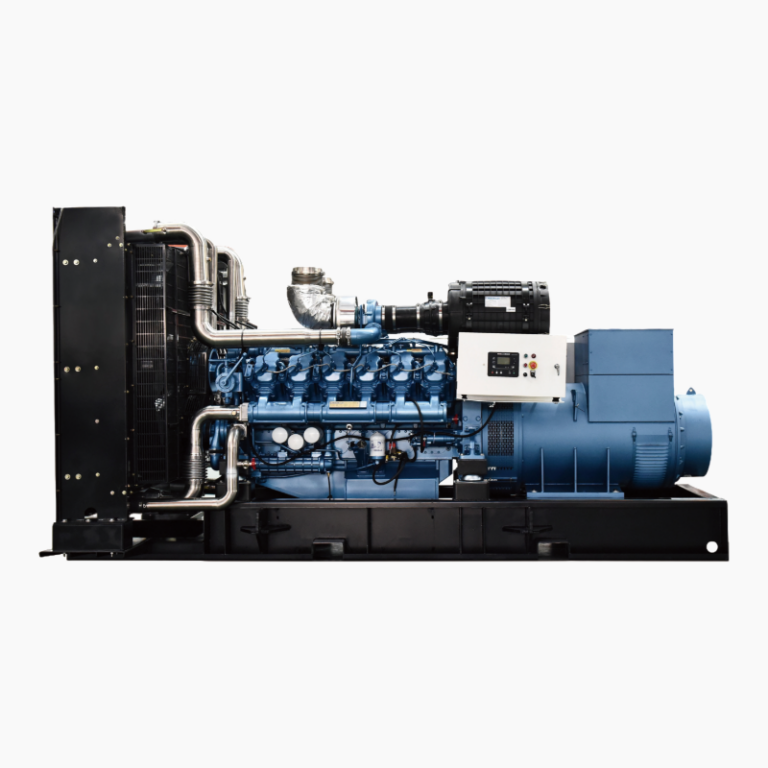
How the Tech Compares — Practical Metrics
Keep it numeric. Look at footprint, installation time, and maintenance window. Container gensets typically arrive factory-integrated with switchgear and basic sound attenuation, shortening install from weeks to days. Compared to skid-mounted gensets, containers reduce civil works and cut soft costs. Industry terms to keep handy: ATS (Automatic Transfer Switch), load bank testing, and parallel operation protocols. These affect uptime and operational flexibility — and they matter when your process lines can’t pause.
Real-World Anchor: What the 2021 Texas Winter Storm Taught Us
During the February 2021 Texas outage, many facilities that had containerized gensets stayed online while the grid faltered. That event underscored one fact: integrated, transport-ready gensets can be deployed or reconfigured faster than traditional solutions — a lifeline for hospitals, water treatment plants, and large industrial sites. The takeaways from that crisis are still in play for procurement teams drawing up reliability specs today.
User-Centric Tradeoffs — Where Containers Shine and Where They Don’t
Look, containers flex in mobility and protection — ideal for remote sites or interim power during outages. They’re usually quieter and cleaner than bare engines thanks to factory acoustic packages. But if you need bespoke emissions treatment or a heavily customized control philosophy, a field-built plant might win. That’s not a knock — it’s about matching the tool. Spec sheets should call out emissions tier, cooling package, and the expected duty cycle so the genset matches your load profile.
Buyer’s Guide: Common Mistakes and How to Dodge ’Em
Teams slip when they under-spec transient load handling or skip a proper ATS integration plan. Another misstep: forgetting transport constraints — door heights, crane capacity, and local permits. — Plan for staging and test runs. Also, never assume every container genset includes paralleling switchgear; confirm it. When you’re drafting the procurement doc, reference {main_keyword} and compare it against {variation_keyword} so the vendor quotes the right configuration.
Alternatives to Consider
Skid-mounted gensets win on tight spaces and extreme customization. Modular, containerized power plants offer scalability like Lego blocks for growing sites. For short deployments, trailers or portable gensets cost less up front but demand more muscle on-site. If remote refueling and fuel storage are constraints, think about hybrid options that mix gensets with battery buffering to cut runtime and fuel spend.

Making the Decision: Cost, Compliance, and Crew
Measure three arenas: total installed cost (not just capex), regulatory fit (local emissions and zoning), and operator skillset. A container genset reduces civil and mechanical scope but still needs trained techs for maintenance and load bank procedures. Real professionals add scheduled testing into ops calendars — that’s where uptime lives.
Golden Rules for Choosing Right
1) Match continuous and peak kW/kVA to real process demands — size for the load, not the wish. 2) Prioritize integ-rated control and ATS options to speed transfer and protect sensitive equipment. 3) Verify transport and site constraints up front: door clearance, crane lift ratings, and local permitting timelines. Follow these and you cut surprises and downtime.
Summing up: container gensets bring fast deployment, built-in protection, and operational simplicity that’s proven in events like the Texas 2021 outages — they ain’t just flex, they deliver. For projects where quick install, mobility, and integrated systems matter, consider the design and vendor track record closely. buy container genset choices should be vetted on specs and service footprint — that’s the smart play.
Huadong Power knows the game — built units, tested gear, and a global footprint that makes deployment a smoother ride. — Solid options, no fluff.