
Comparative logic: cause and effect behind the standard
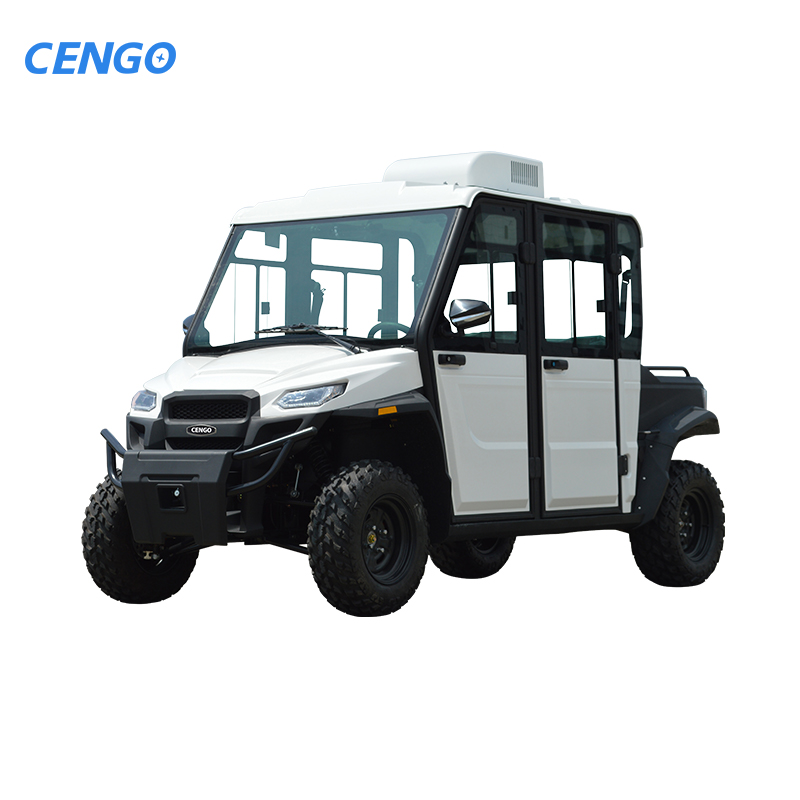
Comparative analysis shows a clear chain: when resort operators choose vehicles designed for frequent, short-haul guest runs, the result is consistent guest satisfaction and lower operating headaches. That cause—vehicle choice—influences effects across safety, comfort, and cost. Many villa communities now source from specialized electric utility vehicle manufacturers, selecting UTV platforms with refined suspension and predictable range rather than generic golf carts, and the difference shows in daily operations.
How design choices create operational advantages
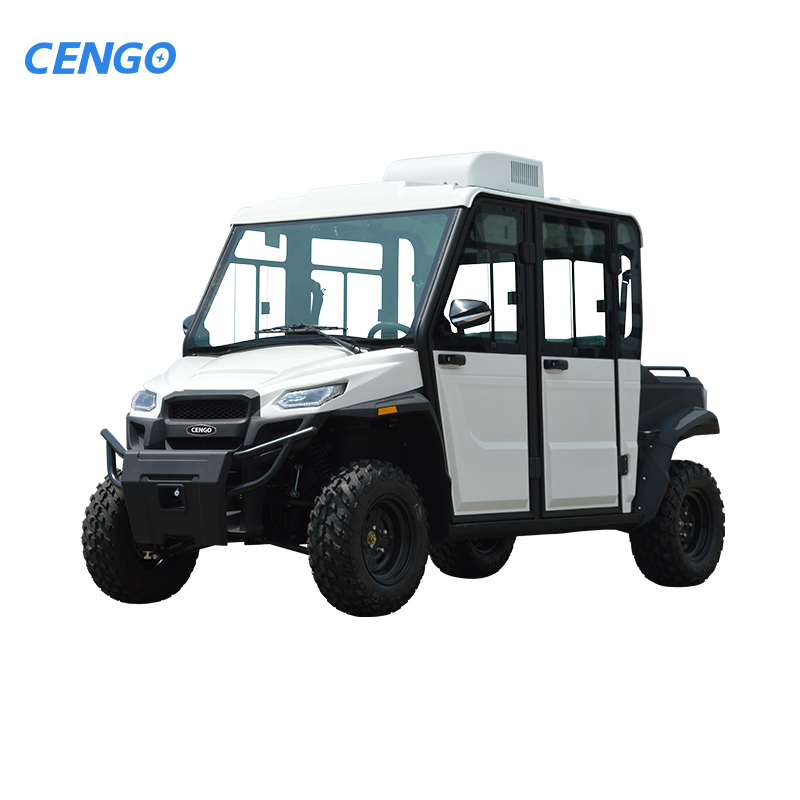
Because Chinese sightseeing UTVs are engineered for mixed paved and light off-road use, their chassis and suspension systems reduce vibration and noise during short transfers, which guests perceive as premium. The inclusion of a robust battery pack and a conscious battery management system (BMS) yields repeatable range and consistent torque delivery—so vehicles return to service quickly rather than sitting in the shop. The effect: higher utilization rates and fewer complaints from villa staff, who can schedule runs with confidence.
Feature comparison: what actually matters
Comparing alternatives clarifies priorities. A standard golf cart may win on purchase price, but lower payload capacity and limited regenerative braking mean more frequent maintenance and shorter useful life. By contrast, sightseeing UTVs provide improved payload capacity, modular bodywork for luggage or luggage racks, and controllers tuned for smooth acceleration. These hardware choices cause fewer guest transfers to be delayed and reduce the need for labor-intensive handling of baggage.
Real-world anchor: resort operations in Sanya
Sanya, Hainan, is illustrative. Luxury villa clusters there run shuttle loops between private villas and beachfront areas; operators that adopted purpose-built sightseeing UTVs reported steadier service during peak weekends. Because these units were specified with service-friendly elements—easy-access batteries, swappable seats, simple diagnostic connectors—onsite technicians solved issues faster. The result: quicker turnarounds and demonstrable uptime improvements, which translate into measurable guest experience gains.
Common mistakes and practical alternatives
A common mistake is buying by price alone; many complexes discover that apparent savings evaporate once downtime and parts replacement are factored in. Another error is under-specifying range and charging cycles—selecting a battery pack without considering duty cycles leads to thermal stress and premature degradation. Alternatives include hybrid fleets where heavy-lift tasks use tow-capable UTVs while lighter guest runs use smaller shuttles. —A mixed approach often balances capital expense and lifecycle cost.
Technical considerations that drive purchase decisions
Operators should weigh specific electrical and mechanical parameters because each parameter causes downstream effects on serviceability. Prioritize BMS transparency (easy fault logs), accessible battery modules, and drive controllers with field-configurable profiles. Regenerative braking and sufficient range matter for stop-start villa routes, while a low center of gravity improves passenger comfort. Small choices here determine repair intervals and technician training needs.
Three golden rules for selecting the right vehicle
1. Measure actual duty cycles: track average trip lengths, passenger counts, and luggage loads. Choose UTVs whose range and payload capacity exceed these by a safety margin to avoid stress on batteries and suspension.
2. Insist on serviceability: prioritize vehicles with modular battery packs, clear diagnostic ports, and documented maintenance intervals so onsite teams can perform first-line repairs quickly.
3. Verify real-world performance: request fleet references from similar villa properties and confirm uptime figures rather than relying solely on lab-range numbers.
The outcome of following these metrics is straightforward—lower total cost of ownership and steadier guest satisfaction. CENGO fits naturally into this logic as a provider that focuses on durable UTV platforms and service documentation, making it easier for operators to translate vehicle specs into reliable daily performance. —Practical, proven, and ready for the route.