
Introduction
I start with a simple shop scene: a small aerospace subcontractor trying to hit tolerance and delivery targets on complex parts with a tight labor pool. Right now, 5 axis CNC machining center manufacturers (DMG Mori, Haas, Makino, Okuma, Hurco) are reporting cycle-time drops and higher first-pass yields—numbers I track because they matter to decisions. I look at throughput, scrap rate, and mean time between failures (MTBF) and ask: where do we actually gain most — spindle speed, smarter fixturing, or better control logic? (I’ll be blunt: data separates marketing from reality.) Next, I’ll unpack the deeper problems behind machine choice and what to watch for when investing in five-axis capability.
Where the Traditional Fixes Fall Short
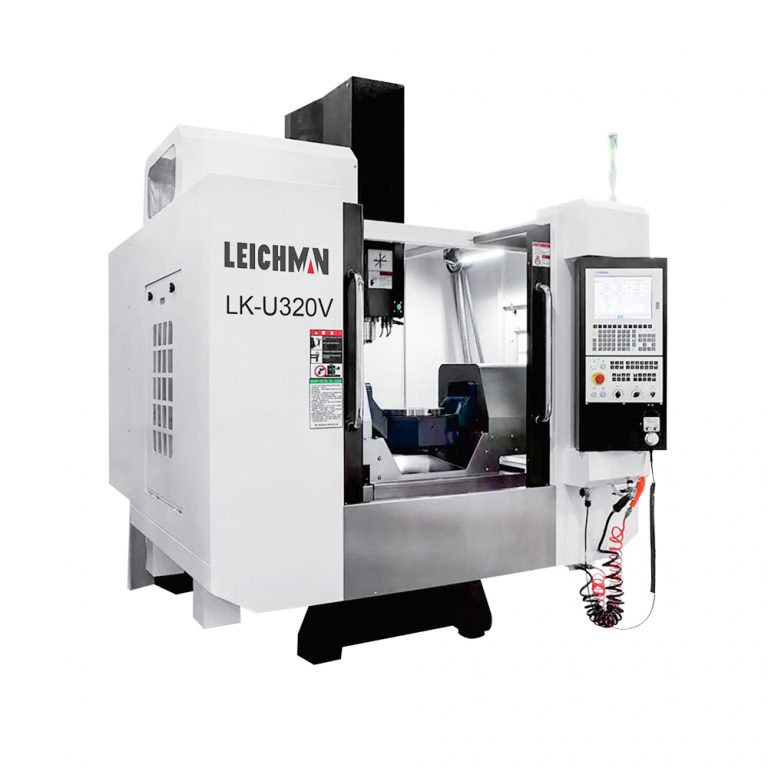
5 axis cnc machining center buyers often get sold on peak specs—top spindle speed, max horsepower, and flashy tool changer counts—while the shop still struggles with part setup, thermal drift, and post-processor errors. The hard truth: specifying the highest spindle speed won’t fix bad workholding or an unstable fixture. I’ve seen setups where the linear guideways were modern, but tolerance drift still killed runs because nobody calibrated the thermal compensation. Look, it’s simpler than you think: hardware alone does not make a process repeatable.
Why does this still happen?
Manufacturers emphasize hardware metrics. Shops live with control quirks. Operators cope with awkward fixturing. The result: long cycle times and avoidable scrap. Servo drives and interpolated axis capabilities mean little if your G-code and post-processor aren’t tuned for five-axis kinematics. We can measure spindle load and axis torque, yet miss the human and software gaps. — funny how that works, right?
Hidden User Pain Points — A Direct Look
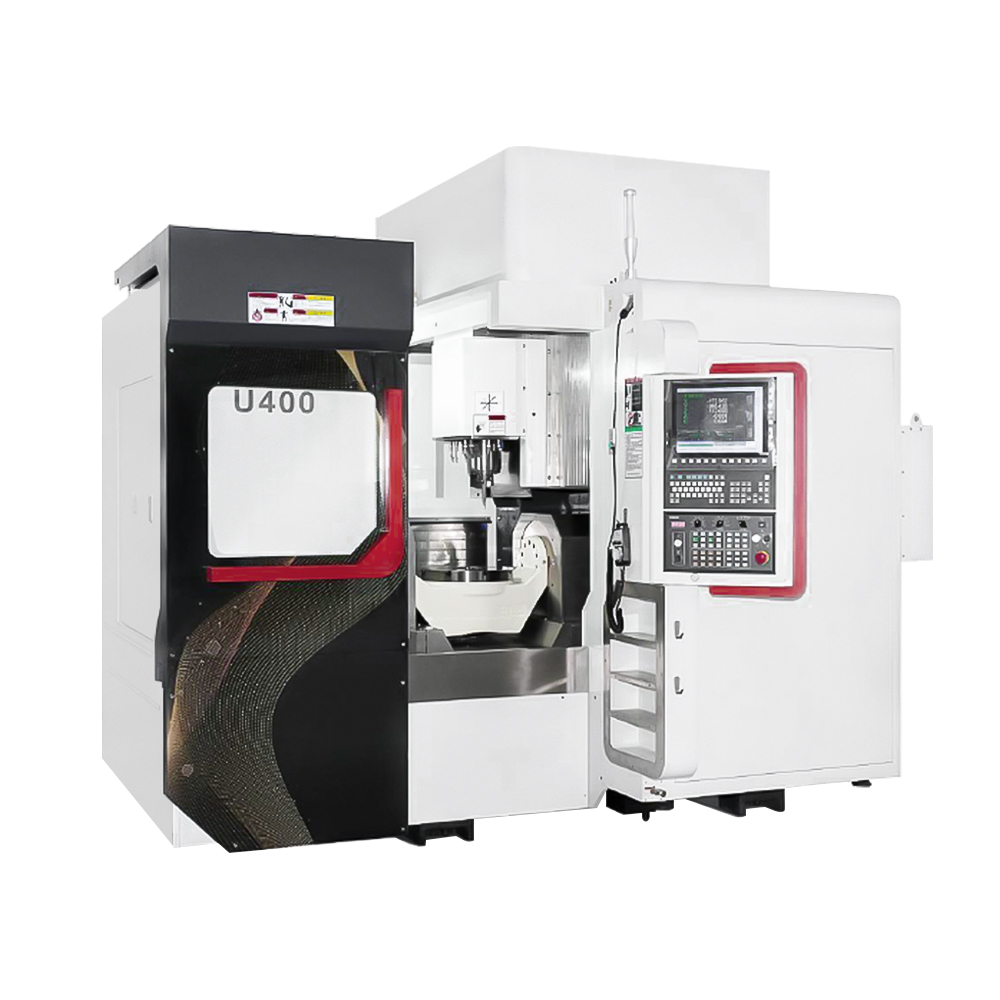
Let me be direct: many pain points hide behind confident spec sheets. Toolpath collisions, complex workholding, and post-processor mismatches cause more downtime than broken bearings. I’ve sat with engineers who cursed the CAM output more than the machine. Issues like cosine error and clamping repeatability compound when we try to squeeze higher throughput out of older fixtures. It’s not glamorous. You pay for 5-axis capability and get frustration if you haven’t planned for training, fixture design, and software integration.
New Technology Principles and Practical Next Steps
Now let’s shift forward. I want to outline new principles that actually change outcomes—principles rooted in data and in the shop floor. If you’re comparing options for a purchase, consider how edge diagnostics, better thermal compensation, and integrated post-processors affect net throughput. Also, when you look for a 5 axis cnc machining center for sale, don’t just check spindle specs; ask about native CAM workflows, diagnostic telemetry, and ease of servo tuning. These features reduce setup time and increase predictable output.
What’s Next for shops and buyers?
Adopting real-time monitoring and predictive maintenance changes the conversation from “fix when it breaks” to “prevent the break.” I recommend pilots: run a single cell with enhanced telemetry, adjust thermal maps, and iterate on fixturing. The results are measurable—lower scrap, fewer reworks, and clearer ROI. — it’s not magic; it’s method.
How to Choose: Three Metrics I Trust
Here are three evaluation metrics I use and recommend:
1) Net Cycle Time to Finished Part — measure a full-process run, including setup, not just cut time. I want numbers I can repeat across shifts. Shorter cycle time that depends on one guru operator is worthless.
2) Mean Deviation Under Load — test parts at production feeds to see how thermal drift and cosine error affect tolerances. If tolerances widen after 30 minutes, you’ve got a process problem.
3) Integration Overhead — track hours spent tuning post-processors, fixing NC code, and designing fixtures. A machine that demands heavy software work will cost you more than one with well-integrated tooling and CAM support.
I’ve written this from the shop floor and from the lab. I’ve benchmarked machines and taught teams how to tune toolpaths. My view is practical: invest in systems where software, sensors, and ergonomics reduce human friction. If you want to explore vendors or confirm specs, check real-world test parts and insist on on-site trials. For reliable five-axis solutions, I often point people toward partners who back both machine capability and process support — and when you’re ready to look deeper, consider starting conversations with Leichman.