
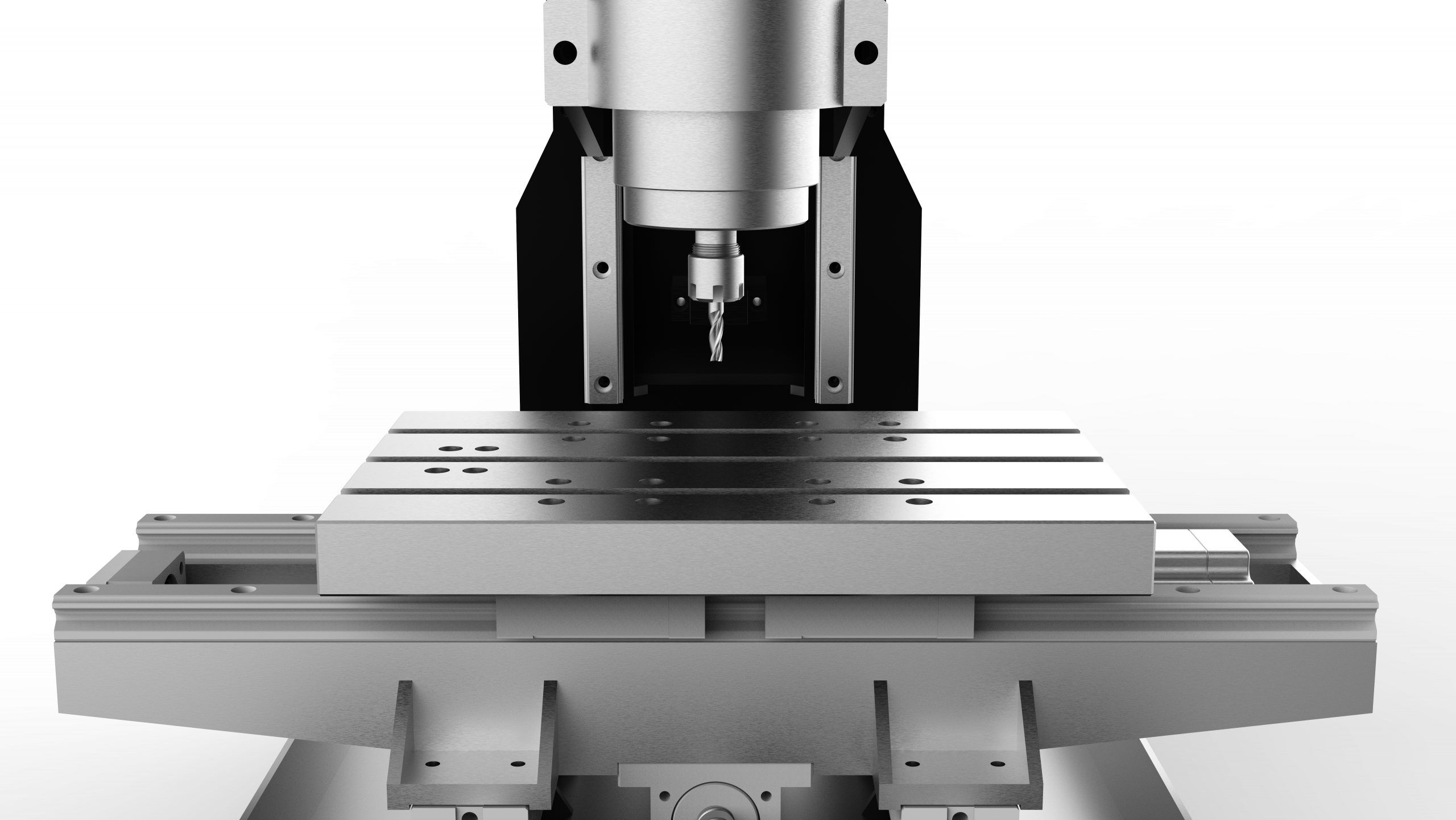
Confront the bottleneck and decide to change
Most shops know the pain: edges come out uneven, cycle times spike, and scrap piles grow until someone decides enough is enough. Start by naming the single worst choke point and commit to fixing it—no wishful thinking. If your line struggles with consistency or speed when routing and finishing panels, look at a modular solution like a cnc furniture machine that can both rout and prep edges with repeatable accuracy. You’ll move faster when choices are specific. Pick one metric to improve first—throughput per hour or percent defect—and focus there.

Quantify the real problems
Write down actual numbers: minutes per panel on edge work, rework rate, labor hours, cost of wasted material. Those figures keep decisions grounded. If your line loses ten minutes per panel to manual edging, a machine that cuts that to two minutes changes staffing and floor layout. Don’t guess—measure one week, then another after you tweak a single variable. Numbers reveal where automation matters and where it’s overkill.
Step-by-step adoption plan
Start small and be deliberate. 1) Define outcome: faster cycle, lower defects, or both. 2) Pick machine class: inline edgebander for continuous flow, stand-alone CNC edger for flexible parts, or hybrid cells. 3) Run a pilot on two common part types for 30 production hours. 4) Train one operator to be the point person, then cross-train two more. 5) Measure results and iterate. Each step is a concrete test—no assumptions. You’ll know to scale when defect rates drop and takt time improves on your chosen metric.
Common mistakes that slow adoption
People rush to buy before defining the problem. They overload operators with new tech and expect instant mastery. They omit fixture planning and don’t mock-up jigs, then wonder why tolerances miss. Avoid over-automation: don’t try to replace every manual task at once. Plan for tooling, maintenance windows, and clear error logs. Small, regular feedback loops matter more than a big launch event.

Viable alternatives and trade-offs
There’s no one-size-fits-all. Manual edge banding costs less upfront but limits throughput and repeatability. Inline systems deliver speed but need steady upstream supply and floor space. CNC approaches give part flexibility and nesting efficiency but cost more and require programming skill. Outsourcing edge work can be a short-term fix while you pilot internal automation. Choose based on the metric you committed to improving.
Field reality: what the market shows
Seeing machines in operation clarifies choices. At major woodworking shows such as LIGNA in Hannover, attendees compare real cycle times and maintenance practices side by side; those demos expose differences you won’t spot on spec sheets. That’s why many manufacturers visit fairs or trusted suppliers to test runs on their materials—hands-on proof beats brochure claims. When evaluating suppliers, ask for demo runs on your board types and request clear setup times for each profile; a good test mimics your production mix and confirms the value of a furniture cnc machine.
Wrap-up: adopt with confidence and clarity
Fix one bottleneck, measure results, then expand. Practical, problem-driven steps cut risk: define the metric, pick the machine class that addresses it, run a pilot, avoid common mistakes, and validate with real-run demos. The right partner smooths integration and shortens the learning curve; that kind of practical support is what makes adoption pay off for a regionally scaled operation like yours—consider how HUAHUA CNC fits into those tested steps as a source of machines, demos, and field-proven workflows.