
Why this matters to the person running the study
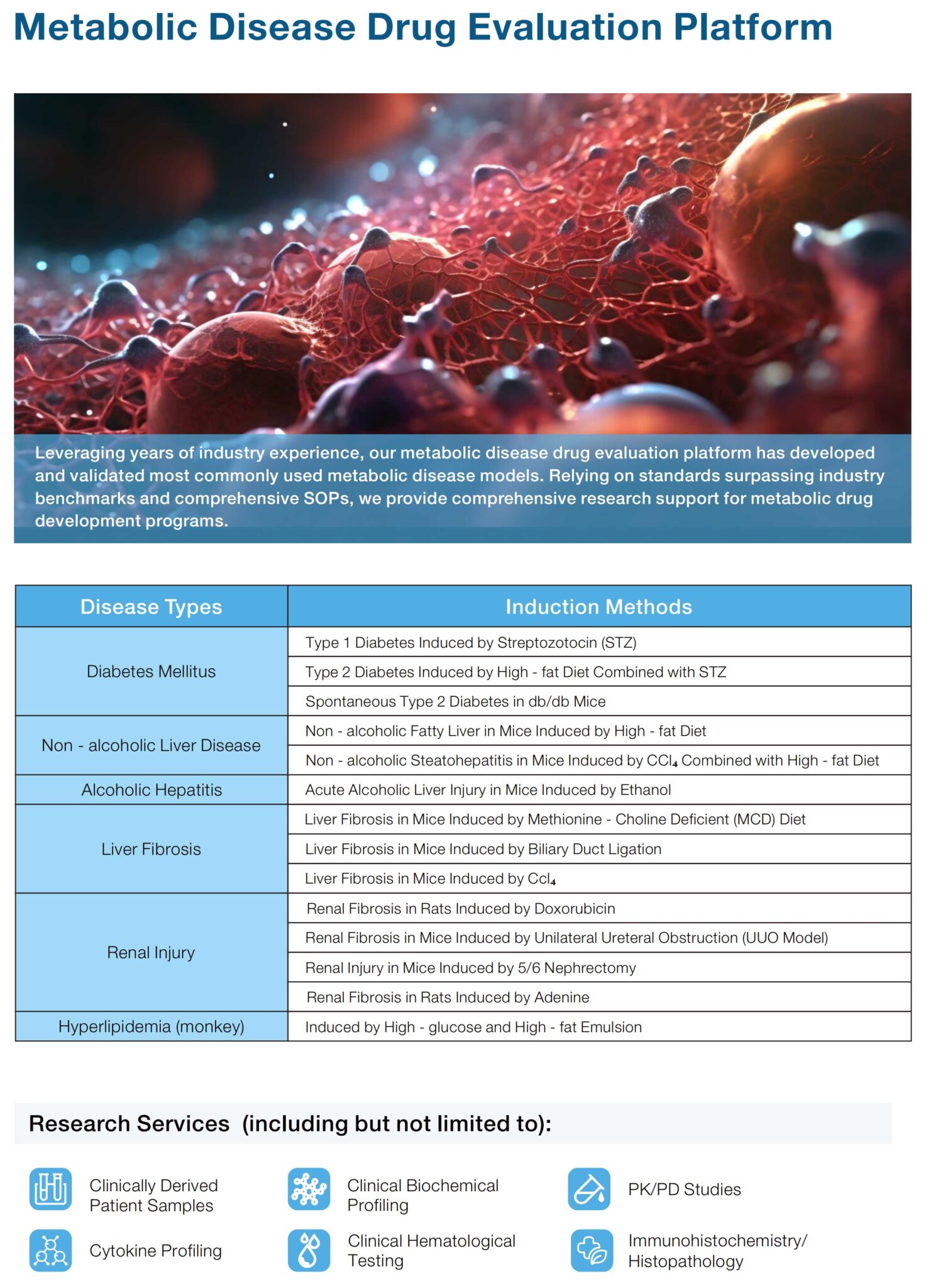
Most of us want preclinical results that don’t fall apart once we move to larger trials. Start simple: pick the model that answers your biological question. If you’re mapping glucose handling, a diet-induced obesity (DIO) rat or a streptozotocin (STZ) model will behave very differently. Real-world context: the CDC reports over 37 million Americans living with diabetes, which underscores why model fidelity matters for translation. For hands-on options, see suppliers of metabolic disease models that match your study scale and endpoints.

Design the study from the user’s perspective
Think like someone who needs clean, actionable readouts. Define primary endpoints up front—fasting glucose, HbA1c analogs, or insulin sensitivity measured through glucose tolerance test (GTT). Choose cohorts for internal validity: age, sex, baseline metabolic phenotype. Consider comorbidities that mimic clinical populations. Add a secondary cohort with metabolic phenotype drift if you expect heterogeneity. In our operational production teardown we consider {main_keyword} and {variation_keyword} to ensure reproducibility. Also, don’t forget welfare-driven standardization—housing, light cycles, and chow formulation dramatically change insulin resistance outcomes.
Common mistakes and how to avoid them
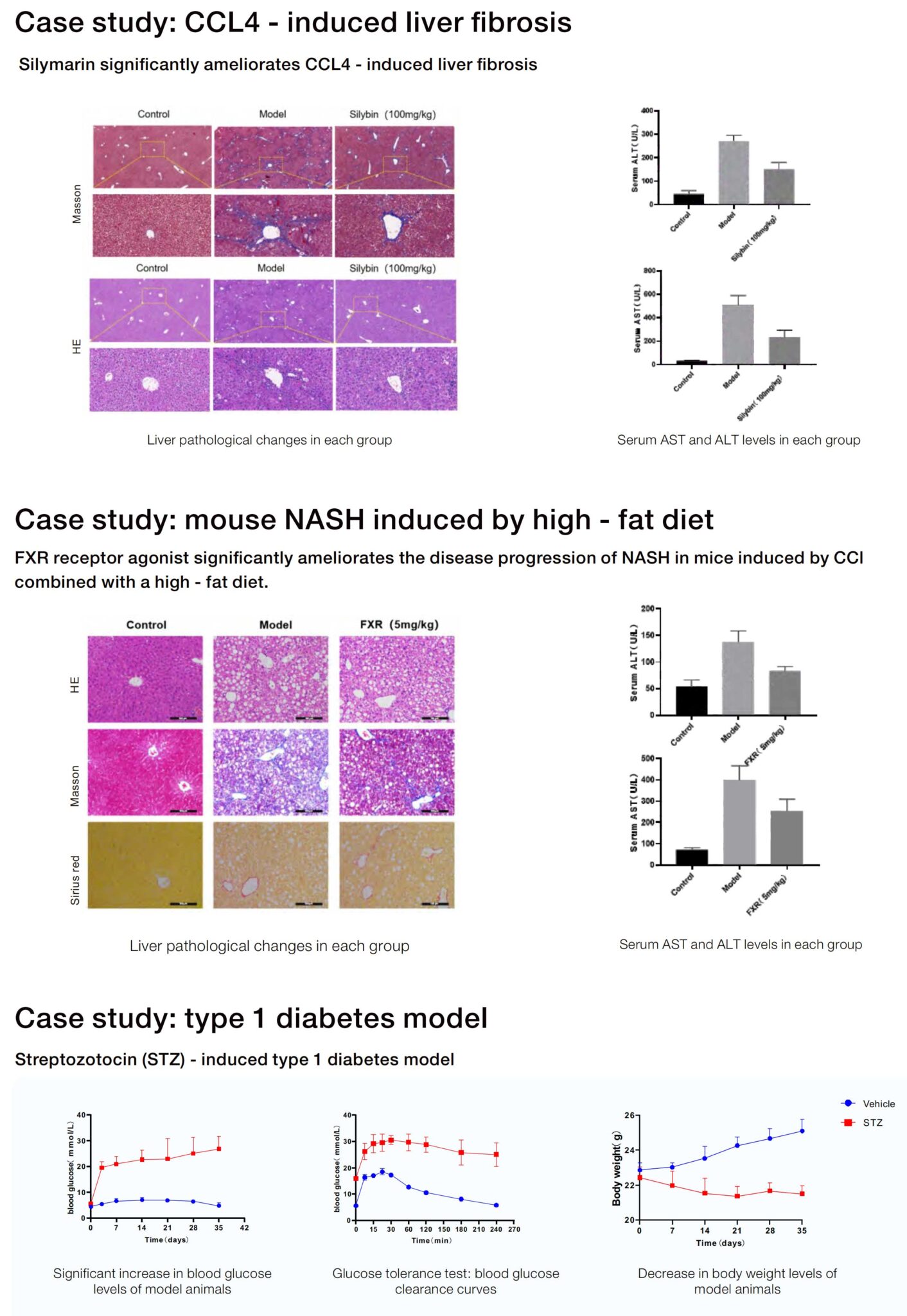
People often chase complexity and forget control. Using combined STZ+DIO without clear rationale muddies interpretation. Over-reliance on a single endpoint like body weight can miss drug effects on insulin signaling. Avoid these traps by preregistering endpoints and a simple analysis plan. Sample size planning matters—pilot a small run with GTT and insulin assays to estimate effect size. Calibration pays off: a consistent GTT protocol reduces variance across batches, so you actually see the drug signal.
Practical readouts and technical tips
Balance molecular and physiological measures. Pair glucose and insulin time courses with tissue endpoints—liver lipid content, adipose inflammation markers, and measures of insulin receptor signaling. Use standard protocols: overnight fasting of 6–8 hours before a GTT, defined glucose dose per kg, and sampling points at 0, 15, 30, 60, and 120 minutes. Run duplicates for key assays and log raw traces—these catch artifacts early. If you outsource, confirm the vendor runs identical GTT parameters and reports coefficient of variation (CV) on repeated controls.
Alternatives and comparative choices
Sometimes genetic models outperform induced ones for mechanism work, while DIO models are better for translational metabolic stress. Consider lean models with targeted gene edits to isolate pathways. Each option trades off translatability, throughput, and cost. If you need a ready-made, validated option for dose-finding or mechanistic follow-up, look into curated cohorts of metabolic disease rat models—they save months of in-house validation.
Working with partners and vetting data quality
Pick partners who publish protocol-level details and share QC metrics. Ask for historical control ranges, GLP traceability if needed, and raw data access. Request documented housing and diet composition, since chow fatty-acid profiles shift results. —One extra check: insist on blinded sample handling for endpoint assays. Transparency at this level prevents late-stage surprises and speeds decision making.
Three golden rules for choosing the right approach
1) Fit-to-question: match model physiology to the therapeutic mechanism, not the other way around. 2) Reproducible endpoints: standardize GTT, insulin assays, and tissue processing with documented SOPs and expected CVs. 3) Vendor proof: require prior-study summaries and blinded internal controls before outsourcing.
These rules lead to cleaner signals, faster go/no-go decisions, and better alignment with clinical endpoints. For teams looking for validated models and operational support—bench to preclinical reporting—Jennio Biotech often becomes the natural fit for completing that bridge. —Final thought: consistency beats complexity every time.