
Why a comparative lens matters right now
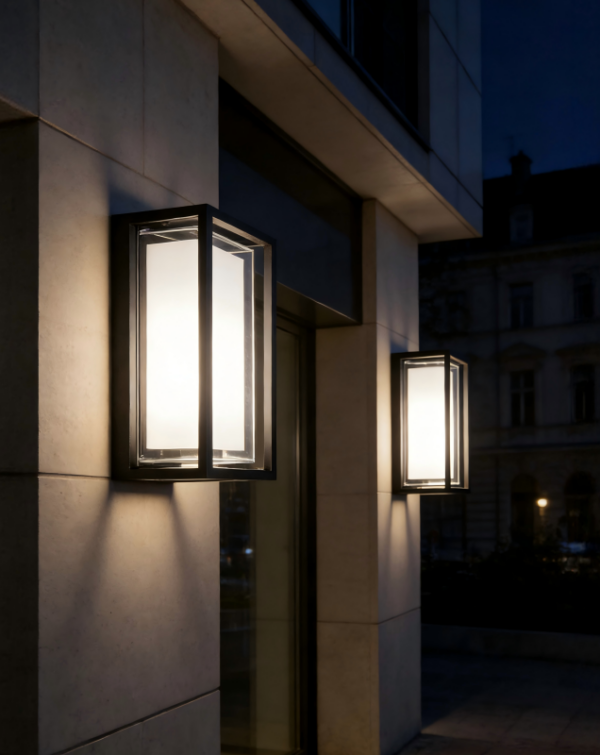
When specifying exterior lighting for hotels, retail façades, or office campuses, the right fixture choice changes more than ambience — it affects energy budgets, compliance, and long‑term maintenance. A comparative approach helps teams weigh optical design against photometric output, and that’s where a modern led outdoor wall sconce can either win or fall short. Projects targeting LEED credits or following IES guidance need to balance lumen delivery, glare control, and light trespass; get those trade‑offs wrong and the aesthetic or the compliance risk goes off track.
Core criteria to compare
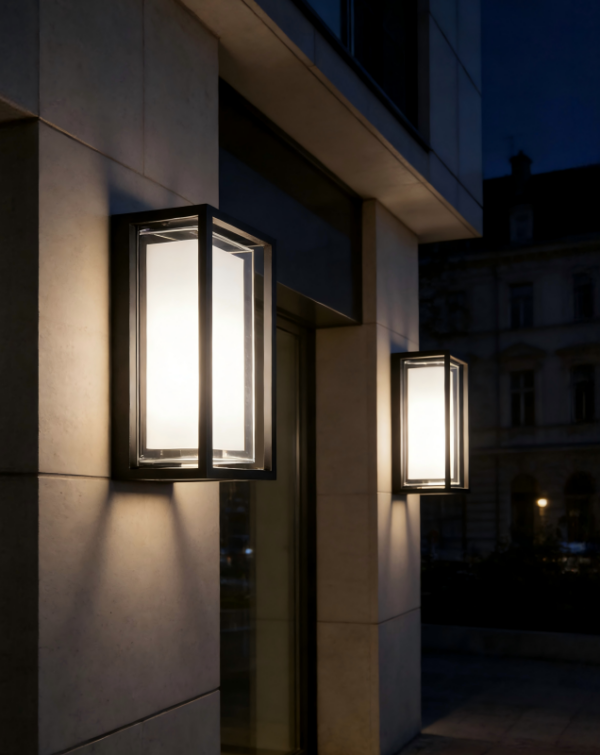
Compare products across three practical dimensions: optical control, electrical performance, and site durability. Optical control covers beam shaping, shielding and photometric distribution — how light falls on the wall and the ground. Electrical performance looks at lumen efficacy, driver quality, and dimming compatibility. Site durability assesses IP rating, corrosion resistance, and serviceability for routine lamp or driver swaps. Make these criteria the backbone of your spec sheet so selection isn’t just about style but about measurable outcomes on the job.
How optical design changes real outcomes
Fixtures with tight cutoff optics and well‑engineered louvers reduce glare and dark‑sky complaints while keeping feature walls well lit. A well‑designed photometric distribution concentrates lumens where they matter — signage, entryways, or accent planes — rather than wasting output upward or across neighboring properties. In practice, a modest increase in optical precision often lets you specify a lower lumen output without losing visual intent; that cuts energy use and upstream costs. —
Electrical and control considerations that bite later
Don’t skimp on driver specs and dimming protocol. Poor drivers lead to flicker, premature lumen depreciation, and warranty headaches. Look for fixtures with integrated constant‑current drivers, good thermal management, and compatibility with common control systems (0–10V, DALI, or wireless lighting networks). Color stability matters too: low CRI or drifting color temperature can make façades look cheap after a few years. These are the small spec items that turn into big retrofit bills if overlooked.
Durability, maintenance, and installation realities
Commercial exteriors demand IP ratings and corrosion‑resistant finishes — think IP65 or higher for exposed coastal sites and marine environments. Consider access for maintenance: modular LED boards and field‑replaceable drivers cut down on lift time and contractor costs. Also check mounting brackets and aiming provisions; adjustable optical modules save rework when as‑built reveals different sightlines. For many building owners, the ability to service in‑place is as important as initial capex — pasok sa budget, and fewer surprises later.
Comparative snapshot: product types and when they fit
Here’s a simple way to compare common sconce families against typical commercial needs:
- Architectural wall washers — best for even façade illumination and high visual uniformity; prioritize photometric distribution and shielding.
- Accent spot sconces — good for highlighting vertical features; require precise optical control and aiming hardware.
- Integrated narrow‑beam sconces — suit signage and entry pillars; look for high lumen efficacy and tight beam control.
Each family has trade‑offs in cost, installation complexity, and retrofit friendliness. If you need both accent and wash, consider modular fixtures that allow different optics within the same housing — fewer SKUs, easier maintenance.
Real‑world anchor: standards and a practical example
Design teams often reference LEED for energy credits and IES recommended practices for exterior lighting. In a recent Metro Manila façade upgrade I reviewed, the project team replaced older flood fixtures with directional LED wall sconces and achieved similar visual impact with 30–40% less wattage by improving optical control and using dimming schedules — the owner noted lower monthly energy use and fewer tenant complaints about glare. That kind of measured outcome is what standards and photometric tests are for: to turn subjective “looks good” into documentable performance.
Alternatives and common specification mistakes
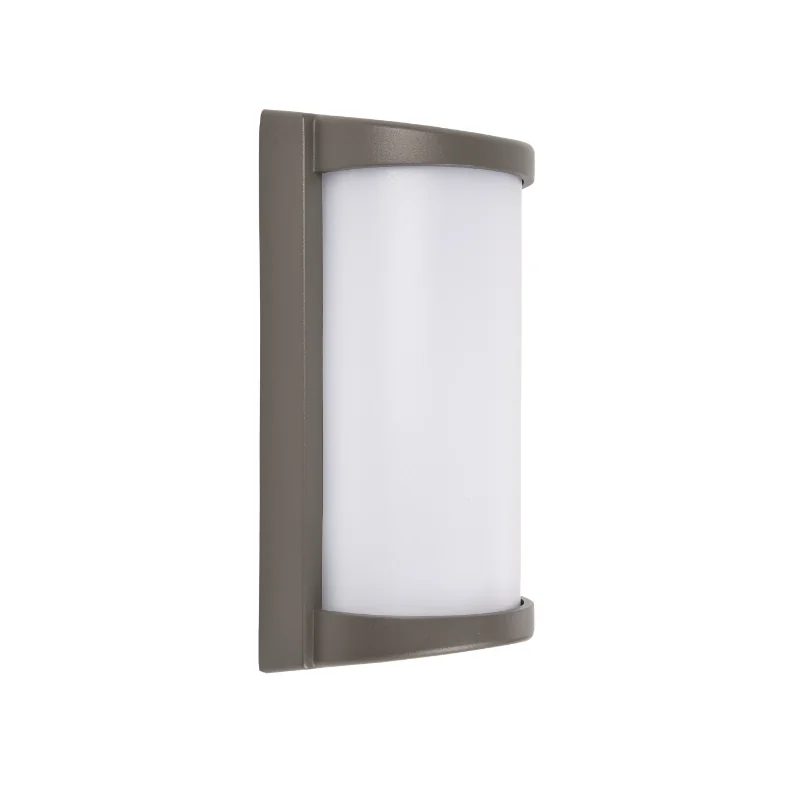
Alternatives to integrated LED sconces include remote‑mounted luminaires or discrete spot fixtures; each can work but may complicate wiring and maintenance. Common mistakes are over‑specifying lumen output to “cover” poor optics, ignoring control protocols, or not validating IP and finish for local conditions. Field‑test samples on the actual façade if you can — mockups reveal surprises that photometric files sometimes hide.
Summing up the comparative picture
Optical precision and photometric design are not optional extras — they determine energy, compliance, and user comfort. Choosing a fixture means balancing optics, driver performance, and durability against your project’s visual goals and lifecycle budget. For teams that need a reliable mid‑market option with good optical design and serviceability, a thoughtfully specified led wall sconce outdoor can hit the sweet spot between performance and cost.
Three golden rules for selecting outdoor LED wall sconces
1) Prioritise measured photometry: require IES files and test reports, and compare predicted illuminance patterns rather than relying on nominal lumen figures. 2) Specify controls and warranties up front: confirm driver type, dimming protocol, and thermal management to avoid flicker and premature lumen depreciation. 3) Match durability to context: use appropriate IP and finishes for coastal, polluted, or high‑humidity sites and insist on modular serviceability to cut long‑term maintenance costs.
These practical checks bring clarity to procurement and help teams deliver lighting that performs as promised — and for many commercial projects, that clarity naturally points to reliable partners in the market like Keyida. —