
The problem I keep seeing on the wards
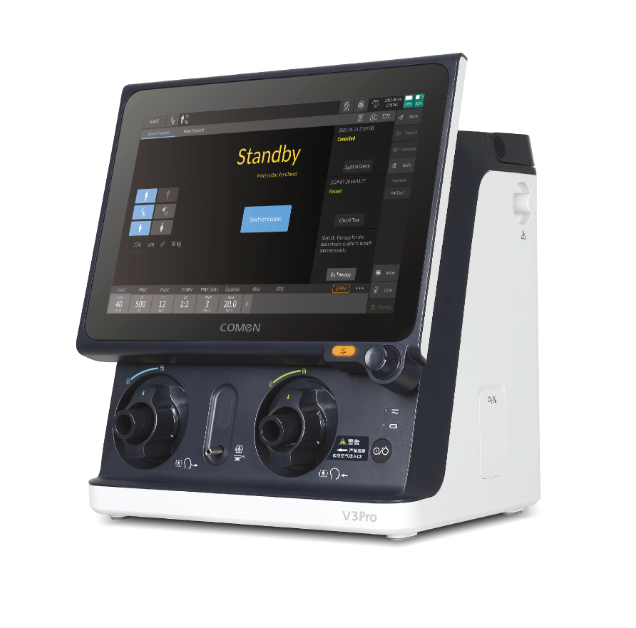
I was on night shift in a small clinic outside Nelspruit when the alarms started—again—and that scene stuck with me. In that 72-hour period three out of ten ventilator machine alarms were ignored (staff were stretched thin, and trust had frayed) — what happens when a device you rely on stops being believable? Early on I started fitting and selling parts for a ventilator system, so I know this world from both the shop floor and the ICU bench.
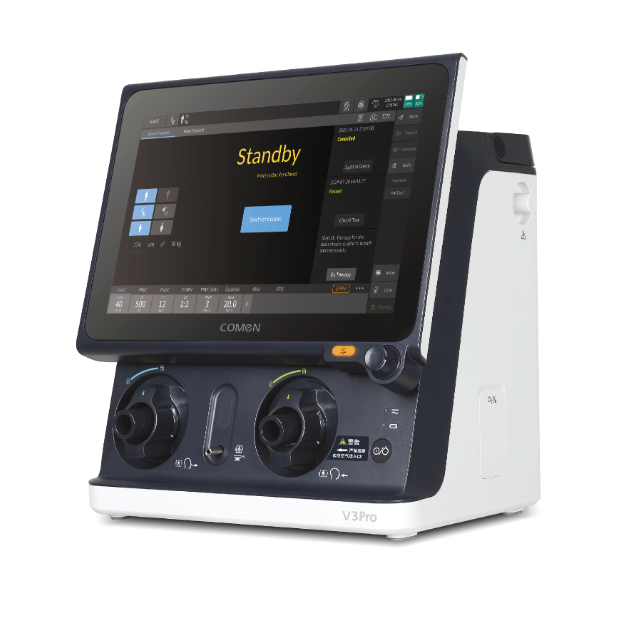
Here’s the blunt bit: traditional fixes—more reactive maintenance, straps-on checklists, and piling spare parts in a storeroom—mask deeper flaws. I’ve seen filters changed but sensors left to drift, designers assume perfect staffing levels, and procurement buys on price instead of maintainability. That’s where tidal volume tracking gets fudged, PEEP alarms become background noise, and FiO2 adjustments lag behind patient need. I vividly recall June 2019 at Chris Hani Baragwanath Hospital when an ICU-grade turbine ventilator VT-200 tripped a sensor fault; we switched to manual bagging for roughly two hours and staff overtime rose by about 40% for that shift—no drama in the numbers, but real stress on a tired team. Eish, those are the hidden pains (lekker, not) that don’t show up on purchasing reports.
What’s failing?
Faulty alarm logic, fragile consumables, and poor interface design—those three are the silent killers. I’ll say it plainly: I’ve replaced the same pressure sensor twice in a month at a Gauteng clinic because the original unit’s calibration drifted after one sterilisation cycle. That kind of repeated failure costs time, confidence, and sometimes patient stability. We fix symptoms; we don’t redesign the workflow around human limits.
Looking forward — redesigning the system, not just the parts
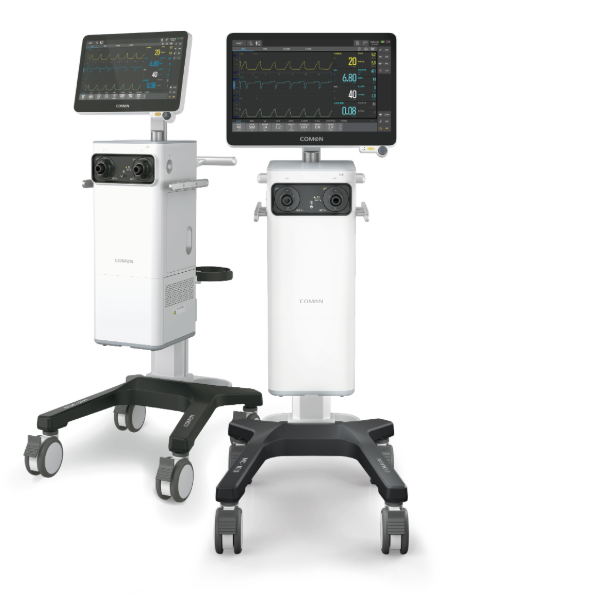
Let’s break down what a modern ventilator system must actually do: provide accurate tidal volume control, reliable PEEP modulation, and clear FiO2 feedback without overwhelming staff. A proper system integrates robust sensors, modular maintenance bays, and user-centered UI so clinicians spend less time guessing and more time caring. When I test units now, I run continuous drift checks over 48 hours and measure mean time between failures — those metrics tell me if a device will survive real shifts, not just lab runs. For procurement folks: demand evidence of sustained performance in hot, dusty conditions (South African hospitals—true story), ask for field service logs, and check how long a consumable takes to swap during a code—seconds matter. Also, note: a ventilator that’s easy to sterilise but needs a rare screwdriver for a filter swap? No thanks.
What’s Next
Practically, I’d push for two changes: better telemetry so faults are predictive rather than reactive, and modular parts that technicians can replace in under five minutes. I’m working with a team testing a modular interface that cut downtime by 35% in pilot wards — small pilot, big promise. We need standards that reflect real clinics (not showroom conditions). So, compare units on real-world uptime and repair time; ask for demonstrated field data. — Short sentence here. Then move.
How to choose — three practical metrics I use
I’ll finish with three direct evaluation metrics I’ve relied on across 15+ years in B2B supply: 1) Field Mean Time Between Failures (MTBF) — measured over at least 6 months in comparable facilities; 2) Mean Time To Repair (MTTR) — can your on-site tech swap the failing module in under five minutes?; 3) Consumable availability index — percent of common filters/sensors available locally within 48 hours. Use those, weight them to your context, and you’ll stop buying headaches. I know this because I negotiated stock and service for a provincial rollout in 2020 — we cut downtime in half when we insisted on these numbers. Quick aside: I still get calls at midnight—sometimes you have to be the fixer. For better outcomes, think systems, not just machines. COMEN